

Solara Active Pharma Q1FY27 PAT rises 60% to ₹163 crore on API growth


Solara Active Pharma Sciences posted a 60% increase in Q1FY27 PAT to ₹163 million, fueled by a 24% surge in base business revenue. The company reduced net debt by ₹1,346 million using rights issue proceeds, bringing total debt to ₹4,795 million.

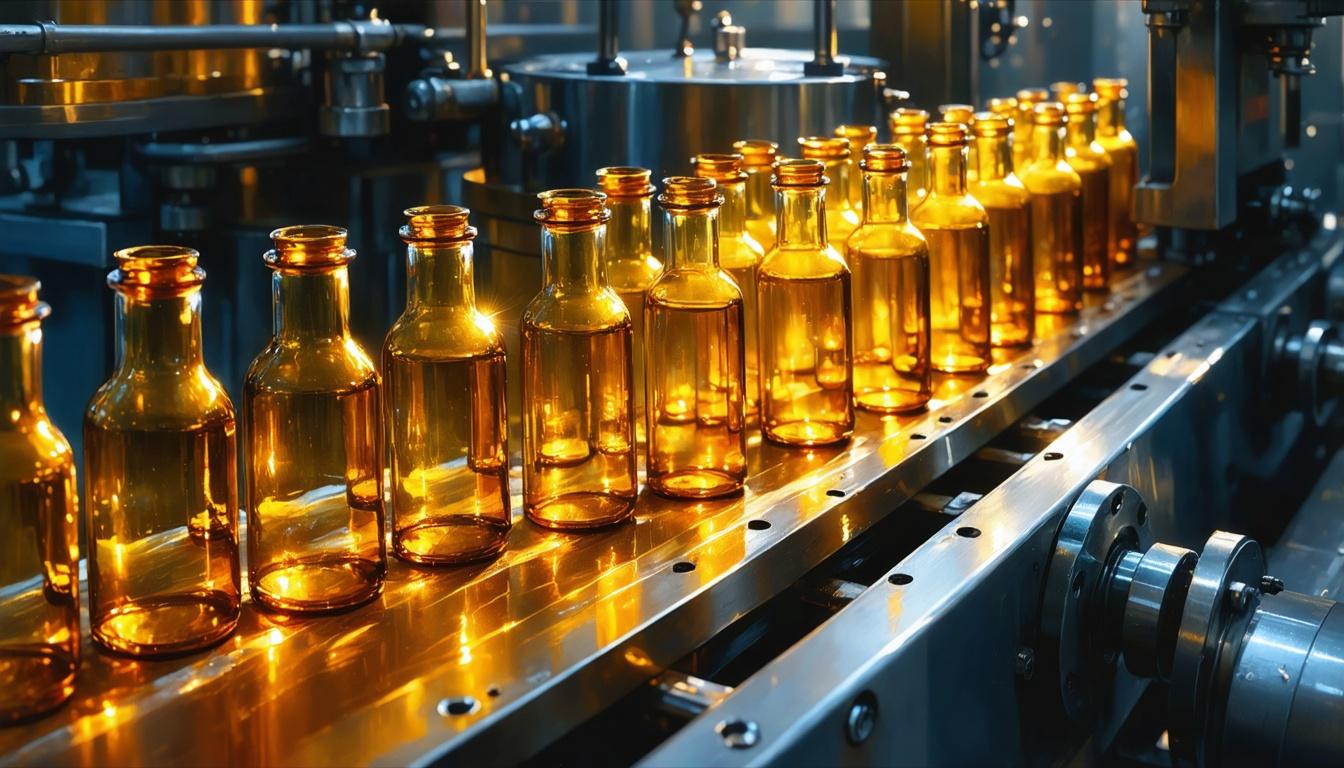

*this image is generated using AI for illustrative purposes only.
Solara Active Pharma Sciences reported a 60% year-on-year increase in consolidated profit after tax (PAT) to ₹163 million for the quarter ended June 30, 2026, driven by robust growth in its core Active Pharmaceutical Ingredient (API) business. Revenue from operations rose 20% to ₹3,816 million, while EBITDA grew 10% to ₹635 million. The Board of Directors approved the unaudited standalone and consolidated financial results on July 23, 2026, following a limited review by statutory auditors Deloitte Haskins & Sells LLP. Despite the quarterly profit, the group carries accumulated losses of ₹28,621 million as of June 30, 2026, though management maintains a going concern basis citing adequate working capital facilities and operational cash flows.
Financial Performance Highlights
The company’s strong performance was anchored by its base business, which excludes the commodity Ibuprofen segment. Base business revenues surged 24% to ₹3,077 million, up from ₹2,487 million in the corresponding period of the previous year. This growth offset profitability challenges in the Ibuprofen business, which reported an EBITDA loss of ₹87 million on revenues of ₹765 million. Management is evaluating strategic options for the Ibuprofen unit and expects to finalize next steps by the end of Q2FY27. Consequently, the previously approved demerger of the CRAMS and Polymers business has been placed on hold.
| Metric (₹ Million) | Q1FY27 Consolidated | Q1FY26 Consolidated | YoY Change |
|---|---|---|---|
| Revenue from Operations | 3,816 | 3,192 | 20% ↑ |
| EBITDA | 635 | 575 | 10% ↑ |
| PAT | 163 | 105 | 55% ↑ |
| Standalone PAT | 170 | 105 | 62% ↑ |
Balance Sheet and Rights Issue Utilization
Solara Active Pharma Sciences significantly improved its balance sheet position, reducing net debt by ₹1,346 million during the quarter to ₹4,795 million. This reduction was achieved through the repayment of ₹1,000 million from rights issue proceeds and ₹346 million from operational cash flows. As of June 30, 2026, the company had raised ₹44,273 million out of the total rights issue size of ₹44,995 million. The proceeds comprise ₹15,748 million received as application money, ₹15,531 million against the first call made on May 6, 2025, and ₹12,994 million against the final call made on May 7, 2026. The unutilized balance is held in bank accounts pending deployment.
The net worth improved to ₹10,419 million as of June 30, 2026, up from ₹8,880 million in March 2026. Management projects net debt to reach approximately ₹4,406 million by March 2027, targeting a net debt-to-EBITDA ratio of around 1.7 times.
What the Numbers Show
The divergence between the base business and the Ibuprofen segment highlights the structural shift in Solara’s revenue mix. While the base business delivered a healthy 23.5% EBITDA margin, supported by regulated markets contributing over 75% of revenues, the Ibuprofen segment continues to drag on overall profitability. The substantial reduction in net debt, coupled with the near-complete closure of the rights issue, provides the company with a stronger liquidity buffer to navigate input cost pressures from geopolitical developments in West Asia. However, the persistent accumulated losses of over ₹28,000 million underscore the long-term capital intensity of the business model, making the successful execution of strategic options for the Ibuprofen unit critical for future margin expansion.
Historical Stock Returns for Solara Active Pharma Sciences
| 1 Day | 5 Days | 1 Month | 6 Months | 1 Year | 5 Years |
|---|---|---|---|---|---|
| -4.60% | -6.23% | +5.99% | +48.55% | +12.66% | -54.00% |

What specific strategic alternatives is Solara evaluating for the loss-making Ibuprofen unit, and how might a potential divestiture impact the company's overall valuation?
How will the planned deployment of the remaining unutilized rights issue proceeds influence Solara's capacity for future capital expenditure or further debt reduction?
Given the heavy reliance on regulated markets for revenue, what are the risks associated with regulatory scrutiny or pricing pressures in these key regions over the next fiscal year?
 18
18










 Access Market Heat-map & Insights
  Create, Save & Share your Screener
  Use 200+ Screening Filters





