

SHINE and newcleo partner to advance U.S. spent nuclear fuel recycling


SHINE and newcleo have partnered to advance technologies for recycling used nuclear fuel, aiming to link SHINE's U.S. recycling capabilities with newcleo's reactors. The collaboration targets a pilot facility processing 100 metric tons per year by the early 2030s to address the 90,000 metric tons of U.S. inventory. Both companies plan to pursue federal funding and begin technical scoping in 2026 to support this closed fuel cycle initiative.

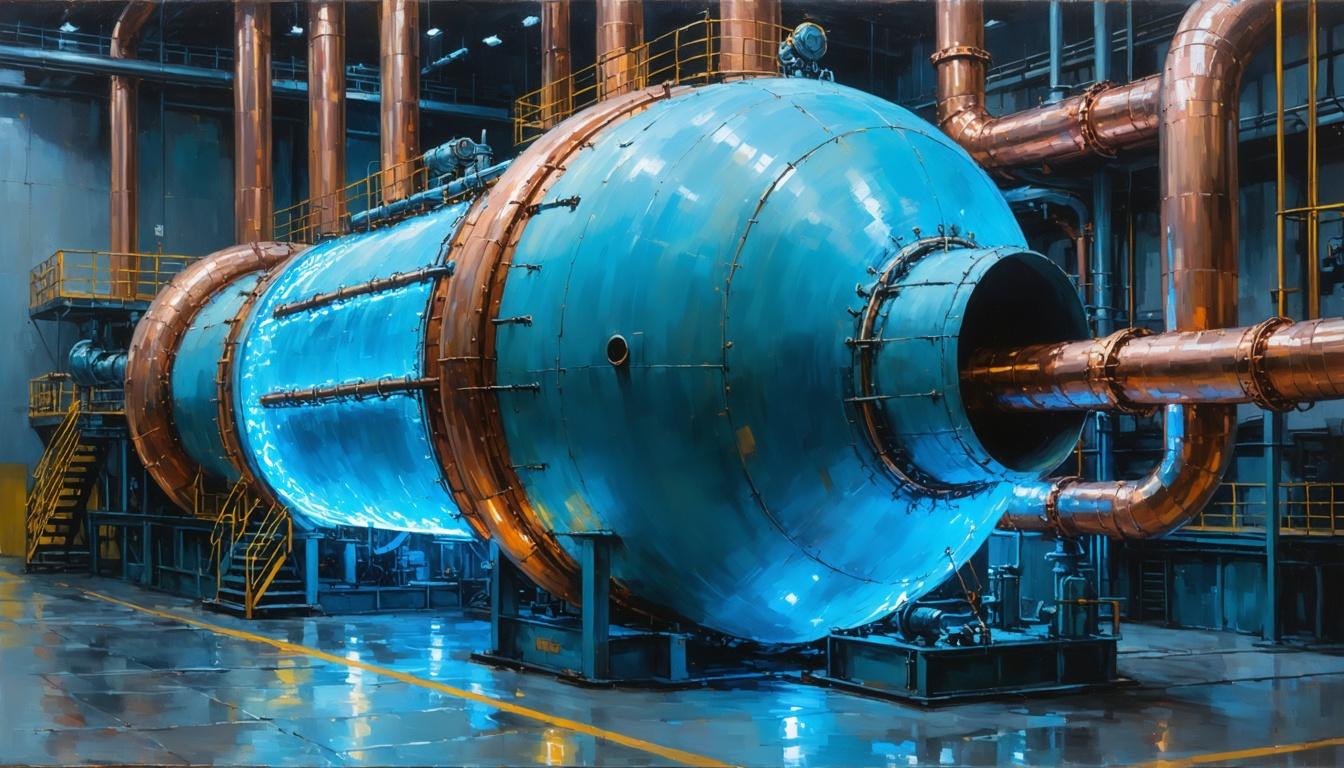

*this image is generated using AI for illustrative purposes only.
SHINE, a fusion energy company with a platform expanding into nuclear fuel recycling, and newcleo, a developer of advanced nuclear reactors and fuel, today announced an agreement to collaborate on advancing innovative technologies for the recycling of used nuclear fuel. The partnership aims to link SHINE's U.S. recycling capabilities with newcleo's reactors, which are designed to run on recycled fuel, addressing the growing strategic priority of managing spent fuel stockpiles in both the U.S. and European Union by significantly reducing the volume and radioactivity levels of used nuclear fuel.
The companies will assess how SHINE could supply newcleo with materials from the used nuclear fuel of traditional reactors to manufacture MOX fuel. Additionally, they will explore how SHINE could recycle spent fuel from newcleo's reactors. The agreement leverages the complementary nature of the companies' technology platforms, with SHINE focusing on proliferation-resistant extraction of uranium and plutonium and newcleo advancing MOX fuel manufacturing capabilities for its lead-cooled fast reactor (LFR) facilities.
Strategic Objectives and Funding
The partnership intends to jointly pursue U.S. federal funding opportunities to support their initiatives. SHINE is targeting a commercial pilot facility capable of processing 100 metric tons of used nuclear fuel per year in the early 2030s. This facility aims to unlock value from the 90,000 metric tons of used nuclear fuel held in the U.S. The collaboration also includes plans to begin technical scoping in 2026, followed by joint federal funding proposals.
Leadership Perspectives
Stefano Buono, founder and CEO of newcleo, emphasized the importance of industry-wide collaboration to close the fuel cycle. He stated that combining SHINE's recycling capabilities with newcleo's advanced fuel manufacturing and reactor technologies marks an important step in that direction. Greg Piefer, founder and CEO of SHINE, highlighted that recycling spent nuclear fuel addresses accumulated waste and removes fuel supply constraints, effectively making nuclear energy renewable and changing its economics.
Key Metrics and Targets
| Metric | Value/Target |
|---|---|
| U.S. used nuclear fuel inventory | 90,000 metric tons |
| SHINE pilot facility capacity | 100 metric tons per year |
| Target operational date for pilot | Early 2030s |
| Technical scoping start | 2026 |
The closed fuel cycle approach advocated by both companies aims to reduce the cost of long-term storage of nuclear liabilities. This agreement aligns with broader government and industry efforts on both sides of the Atlantic to secure domestic supplies of fissile material for the next generation of reactors.

What regulatory hurdles must the partnership overcome to secure federal funding for the pilot facility by 2026?
How will the economics of the closed fuel cycle compare to traditional nuclear waste disposal methods once the pilot facility is operational?
What are the potential geopolitical implications of reducing reliance on foreign fissile material supplies through this collaboration?
 20
20





 Create Custom Screeners
  Access 200+ Pre-built Filters
  Use 50+ Readymade Screener





