

SD Retail FY26 PAT rises 14.4% to ₹9.78 crore


S D Retail Limited reported a 14.4% YoY increase in PAT to ₹9.78 crore for FY26, with revenue growing 13.2% to ₹195.97 crore. EBO revenue surged 111% to ₹46.45 crore, driven by store expansion.

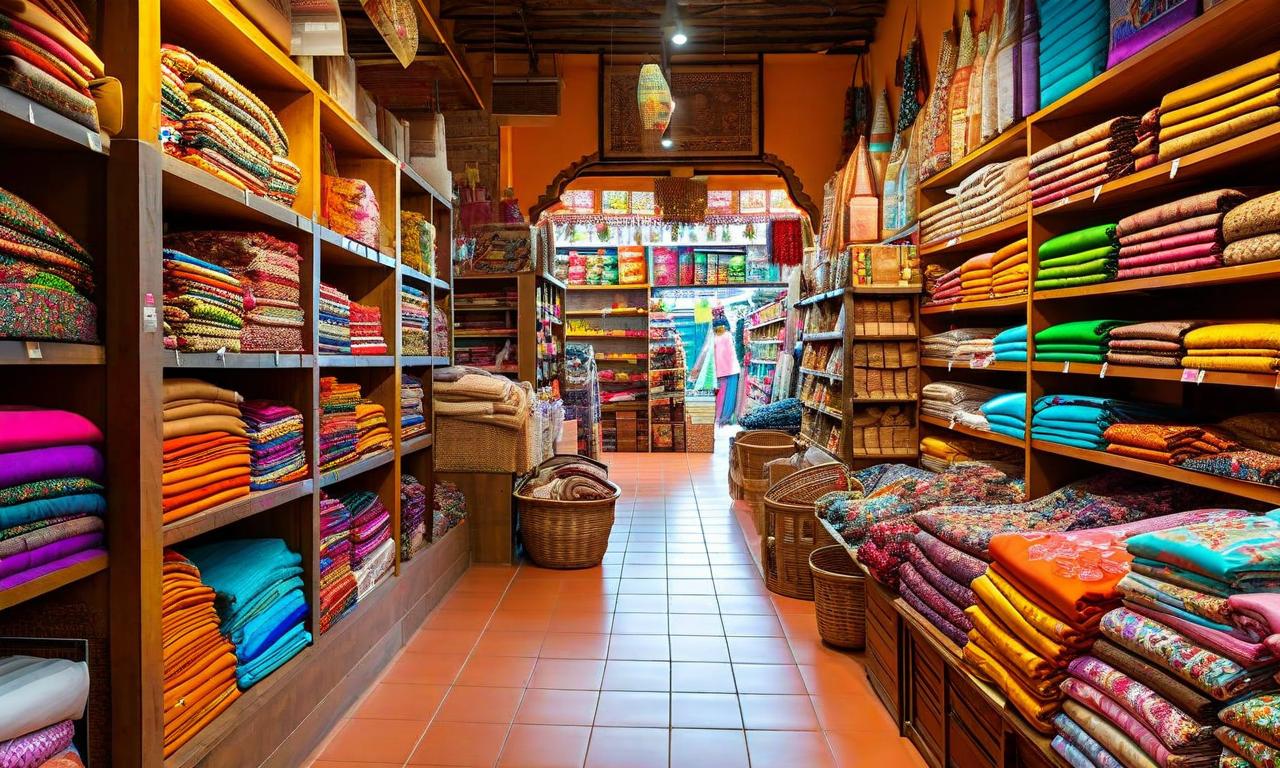

*this image is generated using AI for illustrative purposes only.
S D Retail Limited reported a 14.4% year-on-year increase in Profit After Tax (PAT) to ₹9.78 crore for the financial year ended March 31, 2026. Revenue from operations grew 13.2% to ₹195.97 crore, while EBITDA improved 15.6% to ₹16.53 crore, reflecting a margin of 8.4%. The company’s strong performance was driven by a 111% surge in Exclusive Brand Outlet (EBO) revenue, which reached ₹46.45 crore, and a 70% jump in direct-to-consumer (D2C) sales to ₹4.83 crore.
Operational Performance
The EBO channel emerged as the primary growth engine, with its revenue share rising to 23.7% from 12.7% in the previous year. The company expanded its retail footprint to 75 EBOs, comprising 46 stores in premium malls, 21 on high streets, and 8 in airports. Total retail area exceeded 36,371 square feet, achieving an annualized sales per square foot of ₹16,549. The management targets crossing 100 EBOs in the current financial year, with a run rate of eight to nine store openings per quarter.
Financial Highlights
Gross profit for the year stood at ₹104.72 crore, an increase of 18.4%, with a gross margin of 53.44%. The company reduced short-term borrowings to ₹16.05 crore from ₹32.96 crore in the previous year. For H2 FY26, revenue reached ₹117.68 crore, a 16.1% increase, with an EBITDA margin of 12.2% and a PAT of ₹9.65 crore. Management attributed the margin compression in H2 to intentional investments in corporate and operational manpower.
Strategic Outlook
S D Retail is focusing on scaling its EBO network in Tier I and Tier II markets, specifically targeting airports and premium malls. The company plans to open larger stores of 1,000–1,200 square feet to improve operational efficiency. Capex for opening a new 500 square feet store is estimated at ₹50 lakh, including interiors, deposits, and inventory. The company aims to reduce its working capital cycle by 10 days annually, having already brought it down to approximately 160 days.
| Metric | FY 25-26 | FY 24-25 | YoY Growth |
|---|---|---|---|
| Revenue from Operations | ₹195.97 crore | ₹173.04 crore | 13.2% |
| EBITDA | ₹16.53 crore | ₹14.30 crore | 15.6% |
| Profit After Tax | ₹9.78 crore | ₹8.55 crore | 14.4% |
| EBO Count | 75 | 51 | ▲ 24 |
Source: https://lodr-files.dhan.co/lodr-inputs/Company/INE0X6F01017/782b7c1e5e2f4e3a.pdf
Historical Stock Returns for SD Retail
| 1 Day | 5 Days | 1 Month | 6 Months | 1 Year | 5 Years |
|---|---|---|---|---|---|
| 0.0% | -0.61% | -7.22% | +17.56% | -33.06% | -46.32% |

How will the shift to larger 1,000–1,200 sq. ft. stores impact the capital expenditure budget and payback period per store?
Can the company sustain the 111% EBO growth rate as it expands into Tier II markets with potentially lower footfall than premium malls?
What specific strategies will be employed to further reduce the working capital cycle from 160 days to the target of 150 days?
 18
18




 Create Custom Screeners
  Access 200+ Pre-built Filters
  Use 50+ Readymade Screener





