

Samsung Electronics reports record Q2 operating profit of 89.5 trillion KRW


Samsung Electronics reported a record second-quarter operating profit of 89.5 trillion KRW, driven by surging demand for AI memory chips in its Device Solutions division. While revenue of 171.5 trillion KRW missed analyst estimates, the company's semiconductor business offset losses in the Mobile eXperience division, leading to a sharp rise in share price.


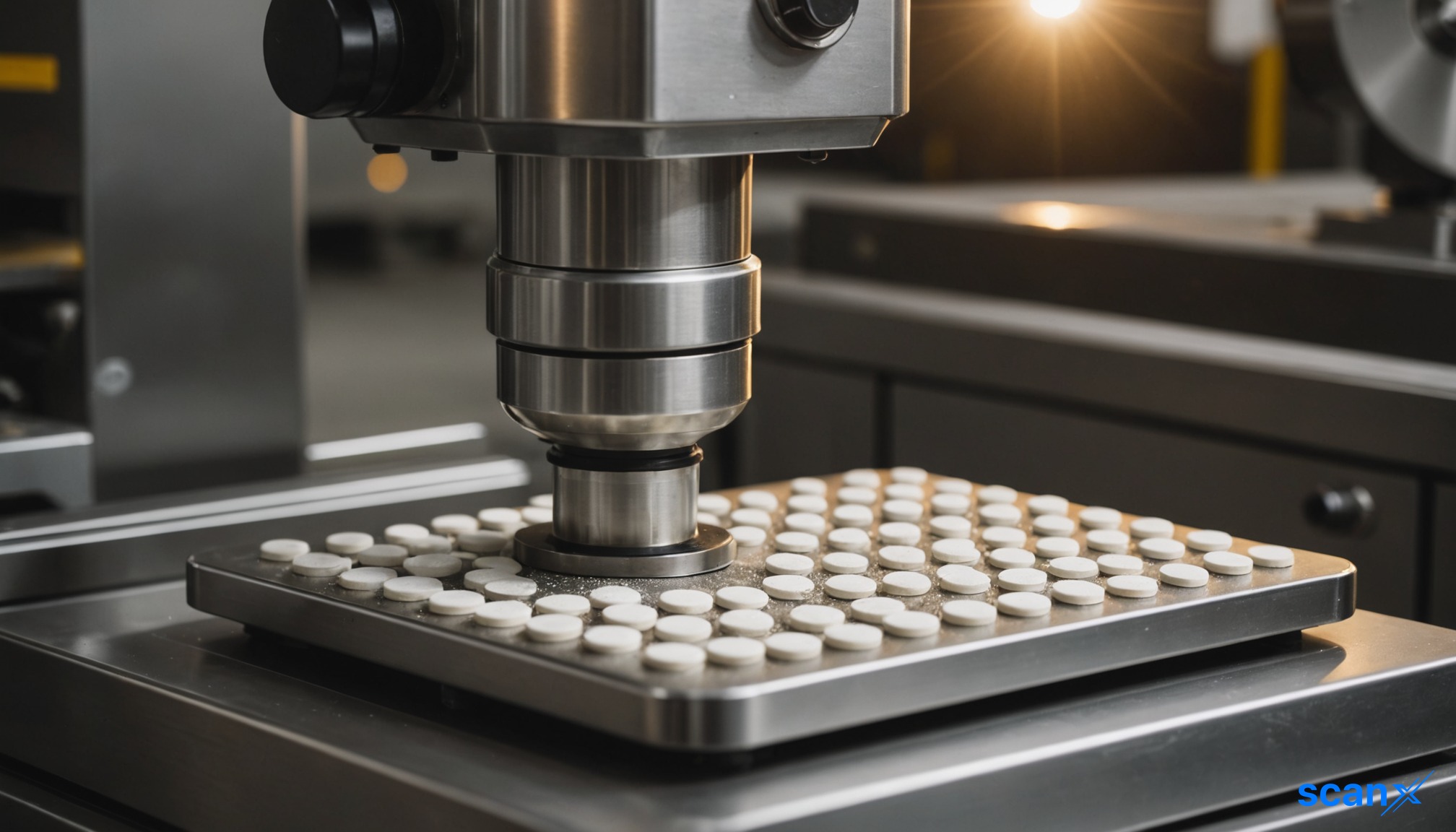
*this image is generated using AI for illustrative purposes only.
Samsung Electronics Co. Ltd. shares rose more than 6% in Seoul trading on Thursday after the chipmaker reported a record second-quarter operating profit of 89.5 trillion KRW ($61.93 billion). The result exceeded the 88.13 trillion KRW ($60.98 billion) consensus forecast compiled by LSEG SmartEstimates, driven primarily by surging demand for artificial intelligence memory chips. Despite the positive earnings surprise, revenue reached 171.5 trillion KRW ($118.70 billion), falling short of the 172.65 trillion KRW ($119.49 billion) analyst estimate.
The Device Solutions division delivered another record quarter as robust demand for server DRAM and HBM products offset ongoing supply constraints. Samsung stated that despite efforts to increase production, supply constraints are expected to continue in the near term. This outlook aligns with comments from rival SK Hynix Inc., which recently dismissed fears of a near-term memory oversupply. Multi-year supply agreements and sustained AI infrastructure spending continue to support demand across the sector, with Samsung holding approximately 39% of the global DRAM market.
In contrast, the Mobile eXperience and Networks division reported an operating loss of 0.7 trillion KRW ($483 million). Although sales of the Galaxy S26 and Galaxy A series smartphones showed stronger year-over-year growth, higher component costs across the industry weighed heavily on earnings. The divergence between the two divisions highlights the shifting dynamics within Samsung’s portfolio, where AI-driven semiconductor growth is currently outpacing consumer electronics profitability.
Financial Performance
| Metric | Actual | Estimate | Status |
|---|---|---|---|
| Operating Profit | 89.5 trillion KRW | 88.13 trillion KRW | Beat |
| Revenue | 171.5 trillion KRW | 172.65 trillion KRW | Miss |
| Mobile Division Op Loss | 0.7 trillion KRW | N/A | Loss |
Market Reaction
Seoul-listed shares of Samsung initially fell as much as 3.1% to a low of 202,000 KRW ($139.62) before reversing course to gain 5.52% at the time of writing. The benchmark KOSPI index rose 4.44%, recovering from a 33% slump earlier in the month. Investor concerns regarding a future memory glut have intensified as chipmakers expand AI memory capacity, but industry leaders including Samsung, SK Hynix, and Micron Technology Inc. maintain that current demand fundamentals remain strong.
What the Numbers Show
The data reveals a significant bifurcation in Samsung’s business performance. While the memory business benefits from pricing power and supply constraints in the AI segment, the mobile division faces margin compression from rising input costs. This suggests that near-term earnings stability will depend heavily on the sustainability of AI infrastructure spending rather than broader consumer electronics recovery.

How might the persistent supply constraints in HBM and server DRAM impact Samsung's ability to capture additional market share from competitors like SK Hynix and Micron in the coming quarters?
What specific cost-cutting or pricing strategies could Samsung implement to reverse the operating losses in its Mobile eXperience division amidst rising component costs?
Could the divergence between record semiconductor profits and mobile division losses signal a long-term structural shift in Samsung's revenue mix, potentially altering its R&D investment priorities?
 20
20





 Access Market Heat-map & Insights
  Create, Save & Share your Screener
  Use 200+ Screening Filters





