

Sai Parenterals completes acquisition of 60% stake in Prathyak Labs for ₹15 crore


- Completed acquisition of 60% stake in Prathyak Labs for ₹15 crore on October 5, 2026
- Replaced planned greenfield R&D centre with operating facility in Genome Valley
- Acquired 28 research scientists and pipeline of 150 SKUs across 86 molecules
- Funded using unutilised net proceeds from initial public offering
- Residual 40% stake available via Right of First Refusal at same valuation



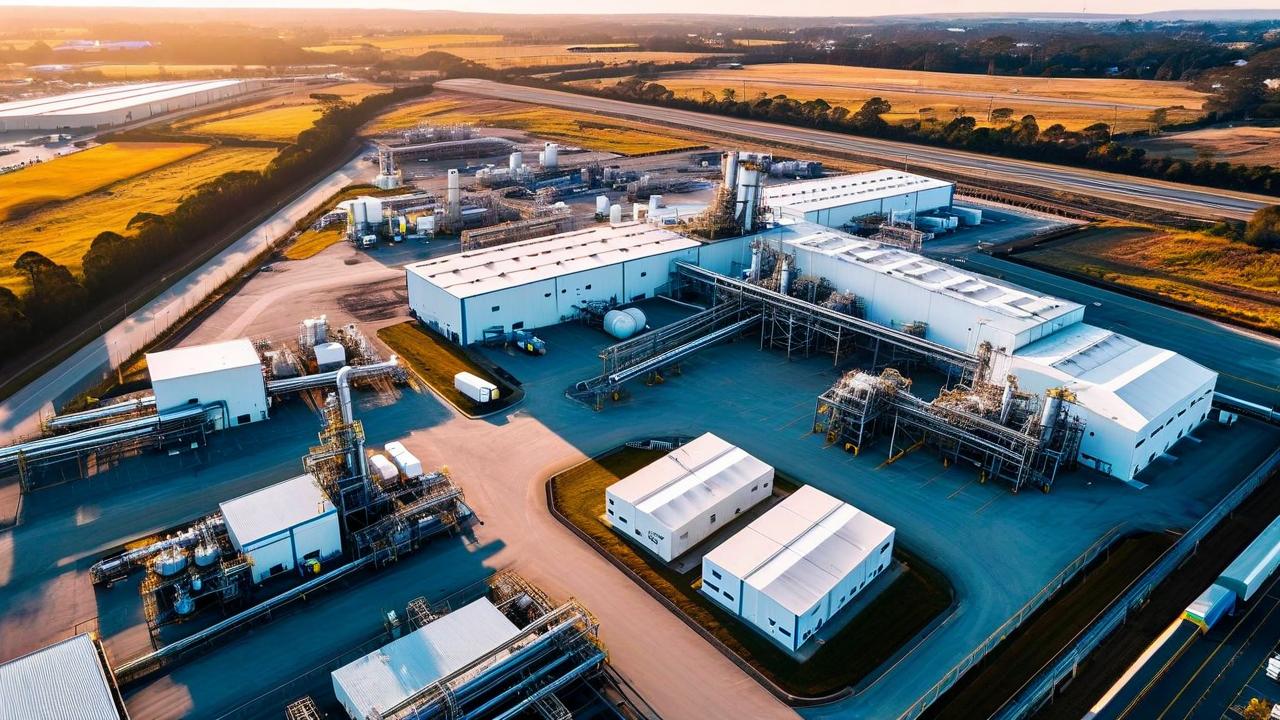
*this image is generated using AI for illustrative purposes only.
Sai Parenterals Limited has completed the acquisition of a 60% equity stake in Prathyak Laboratories Private Limited for ₹15 crore. The transaction, finalized on October 5, 2026, converts the target into a direct subsidiary renamed Sai Prathyak Laboratories Private Limited.
The acquisition replaces the company's original plan to build a greenfield research centre, utilizing unutilised net proceeds from its initial public offering. By acquiring an operating platform, Sai Parenterals bypasses the construction cycle and accelerates access to scientific talent and development pipelines.
Acquisition details and strategic shift
The deal marks a strategic pivot from infrastructure construction to capability acquisition. The 60% stake provides immediate control over an R&D facility located at Genome Valley, Hyderabad. The following table summarizes the key parameters of the completed transaction:
| Parameter | Details |
|---|---|
| Acquirer | Sai Parenterals Limited |
| Target | Prathyak Laboratories Private Limited |
| Facility type | Operating R&D centre |
| Stake acquired | 60% |
| Deal value | ₹15 crore |
| Funding source | Unutilised IPO proceeds |
| Completion date | October 5, 2026 |
Operational capabilities and pipeline
Prathyak has been operational for three years and brings 28 research scientists to the group. The facility holds a development pipeline of 150 SKUs across 86 molecules, with proven capabilities in lyophilised, liposomal, and nano-based complex injectables, as well as oncology injectables. These areas align directly with Sai Parenterals' focus on building a regulated-market injectable franchise.
The existing team's cohesion allows development work to begin immediately. This contrasts with a greenfield approach, which would have required significant time to assemble a scientific team of comparable calibre. Formulations developed at this centre can be taken into commercial production as the company expands its injectable capacity, shortening the path from development to supply in regulated markets.
Integration with group business
The R&D platform supports the group's Australian and New Zealand operations through Noumed Pharmaceuticals. Renewed supply agreements in these regions carry contractual commitments to introduce new products annually. Development for these launches can now be undertaken within the group, leveraging the internal R&D capabilities.
Mr. Anil Kumar Karusala, Chairman and Managing Director, stated that the acquisition enables deeper integration across the value chain and creates a faster route from development to commercial supply. He noted that work already completed at the R&D centre can be utilized as injectable capacity is expanded.
Future ownership structure
The residual 40% stake in Prathyak is subject to a Right of First Refusal (ROFR). Sai Parenterals may acquire this remaining interest at the same valuation as the current transaction, funded from internal accruals, potentially taking the subsidiary to a wholly owned position.
What the numbers show
The decision to fund the acquisition via unutilised IPO proceeds indicates a disciplined capital allocation strategy, redirecting earmarked greenfield funds toward an asset with immediate revenue-generating potential. The presence of 150 SKUs in the pipeline suggests that the acquisition provides near-term product readiness rather than long-term speculative research value, aligning with the company's goal of faster commercialization in regulated markets.

How will the integration of Prathyak's 150-SKU pipeline impact Sai Parenterals' timeline for introducing new products to Noumed Pharmaceuticals' Australian and New Zealand markets?
What are the specific regulatory hurdles Sai Parenterals must overcome to transition the acquired complex injectable formulations from R&D to commercial production in regulated markets?
How might the decision to acquire an existing platform rather than building a greenfield facility affect Sai Parenterals' long-term capital expenditure profile and return on invested capital?
 15
15





 Access Market Heat-map & Insights
  Create, Save & Share your Screener
  Use 200+ Screening Filters





