

Rapid Multimodal Logistics FY26 Results: Revenue up 39%, profit down 17%


- Revenue surged 39% YoY to ₹1,301.9 crore in FY26
- Net profit declined 17% to ₹18.86 crore due to rising costs
- Trade receivables grew 25% to ₹150.9 crore, outpacing collections
- Operating cash flow turned positive at ₹25.7 crore
- No dividends declared; debt-free balance sheet maintained

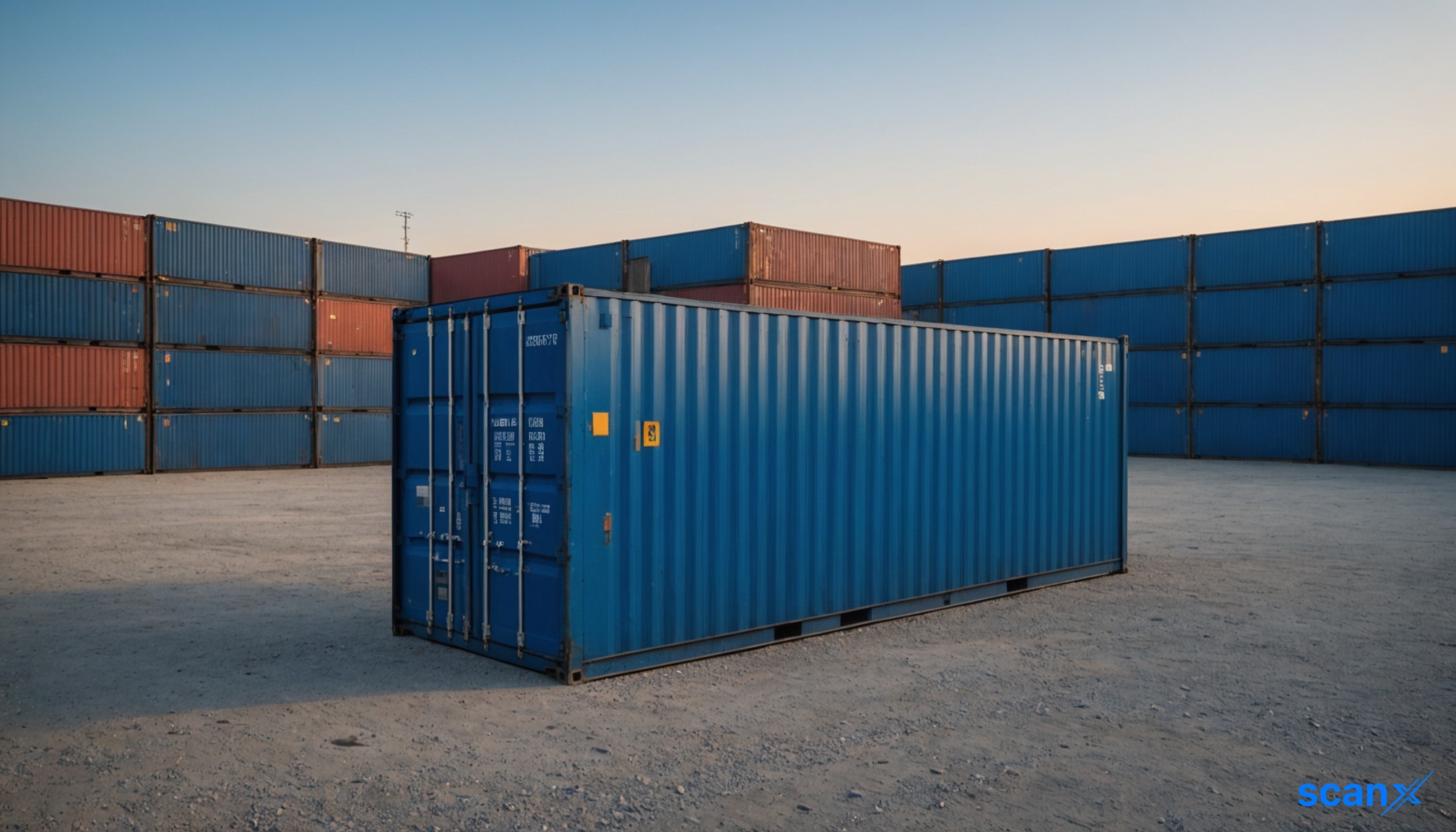

*this image is generated using AI for illustrative purposes only.
Rapid Multimodal Logistics Limited reported a 39% year-on-year increase in revenue for FY26, reaching ₹1,301.9 crore. Despite the strong top-line growth, net profit for the period declined by 17% to ₹18.86 crore, reflecting higher operational costs and working capital pressures.
The company submitted its sixth annual report for the financial year ended March 31, 2026, on September 5, 2026. The filing highlights continued expansion in its integrated logistics solutions across road, rail, and coastal shipments.
Financial Performance
Revenue from operations grew significantly from ₹1,029.9 crore in FY25 to ₹1,301.9 crore in FY26. This growth was accompanied by a rise in total expenses, which increased from ₹1,000.5 crore to ₹1,407.2 crore. The cost of services provided rose by 41% to ₹1,366.4 crore, slightly outpacing revenue growth and compressing margins.
| Metric | FY26 | FY25 | Change |
|---|---|---|---|
| Revenue | ₹1,301.9 crore | ₹1,029.9 crore | +39% |
| Total Expenses | ₹1,407.2 crore | ₹1,000.5 crore | +41% |
| Net Profit | ₹18.86 crore | ₹22.64 crore | -17% |
Other income increased to ₹22.9 crore from ₹8.3 crore in the previous year, primarily driven by interest income. However, this was insufficient to offset the decline in operating profitability. Profit before tax fell to ₹25.27 crore from ₹30.26 crore.
What the Numbers Show
A key divergence in the financials is the expansion of trade receivables relative to revenue. Trade receivables grew by 25% to ₹150.9 crore, while revenue grew by 39%. This suggests that while sales volumes increased, collection efficiency may have lagged, tying up more cash in outstanding invoices. Additionally, unbilled revenue stood at ₹23.5 crore, up from ₹13.7 crore in FY25, indicating a larger portion of services rendered but not yet invoiced at year-end.
Balance Sheet and Cash Flow
The company maintained a debt-free balance sheet with no short-term or long-term borrowings. Shareholders' funds increased to ₹161.1 crore from ₹142.3 crore. Current assets stood at ₹218.0 crore, against current liabilities of ₹59.7 crore, resulting in a current ratio of 3.65, down from 4.31 in FY25.
Cash flows from operating activities turned positive, generating ₹25.7 crore compared to an outflow of ₹90.1 crore in FY25. This improvement was driven by better management of trade payables, which increased by ₹19.0 crore. However, investing activities consumed ₹248.1 crore, largely due to fixed deposits and other investments.
Corporate Governance
The Board of Directors remains unchanged, with Narayan Agarwal serving as Managing Director. The company held four board meetings during the year, with full attendance from all directors. The Audit Committee also met four times. No dividends were declared or proposed for FY26.
The company continues to operate as a single business segment focused on multimodal logistics. It reported no related-party transactions on a non-arm's length basis. Statutory auditors Jay Gupta & Associates issued an unqualified opinion on the financial statements.
Historical Stock Returns for Rapid Multimodal Logistics
| 1 Day | 5 Days | 1 Month | 6 Months | 1 Year | 5 Years |
|---|---|---|---|---|---|
| 0.0% | +6.94% | 0.0% | 0.0% | +76.76% | +38.99% |

How does management plan to address the widening gap between revenue growth and cost of services to restore operating margins in FY27?
What specific strategies will be implemented to improve collection efficiency and reduce the growing trade receivables relative to revenue?
Given the heavy cash outflow in investing activities, what is the expected ROI on the new fixed deposits and investments, and how will they support future operational liquidity?
 17
17






 Create Custom Screeners
  Access 200+ Pre-built Filters
  Use 50+ Readymade Screener





