

Rain Industries Subsidiary Completes CA$2.05 Million Lithium Battery Project


Rain Industries subsidiary Rain Carbon Canada successfully completed a CA$2.05 million project to produce coated spherical purified graphite for lithium-ion batteries, receiving CA$682,000 government funding through Ontario's OVIN program. The collaboration with Green Graphite Technologies addresses North America's critical supply chain gap, where over 90% of battery-grade graphite currently comes from China, with demonstration plant operations scheduled for early Q2 2026.

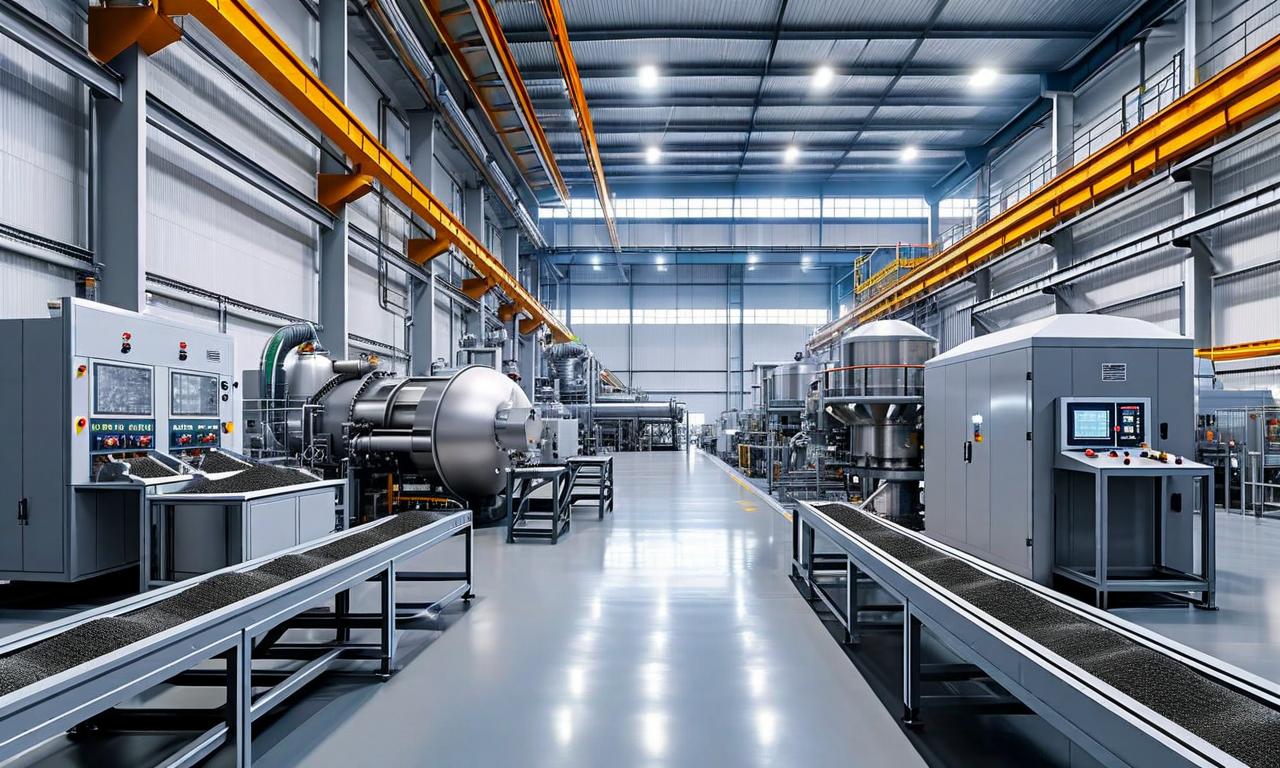

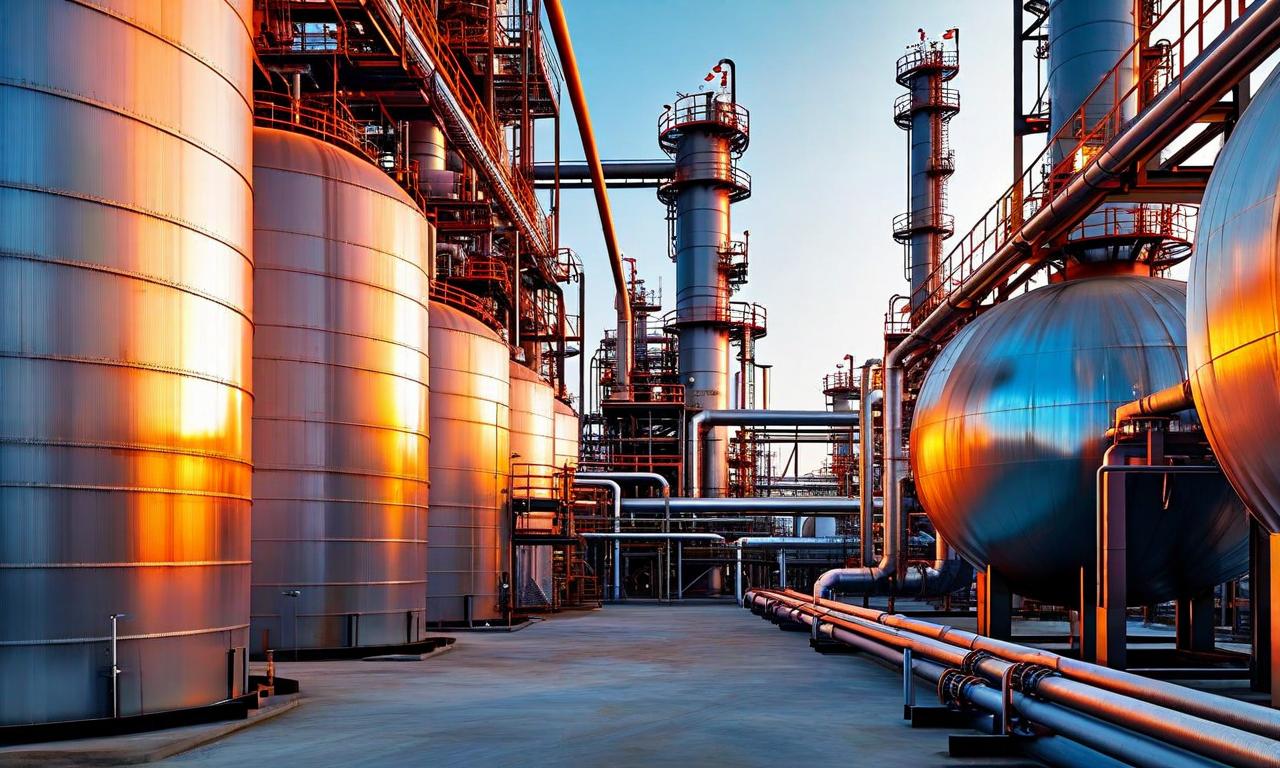
*this image is generated using AI for illustrative purposes only.
Rain Industries subsidiary Rain Carbon Canada Inc. has successfully completed its coated spherical purified graphite project in collaboration with Green Graphite Technologies Inc., marking a significant milestone in advancing domestic battery material production capabilities. The project, valued at CA$2.05 million, received substantial support from the Ontario government through a CA$682,000 contribution via the Ontario Vehicle Innovation Network (OVIN).
Project Details and Investment
The completed initiative focuses on producing coated spherical purified graphite, a critical component for lithium-ion batteries used in electric vehicles, micromobility solutions, energy storage systems, and other electronic devices. This collaboration leveraged Green Graphite Technologies' cutting-edge purification technology alongside Rain Carbon Canada's expertise in carbon precursors, material processing, and coating applications.
| Project Parameters: | Details |
|---|---|
| Total Project Value: | CA$2.05 million |
| Government Contribution: | CA$682,000 (OVIN) |
| Partner Company: | Green Graphite Technologies Inc. |
| Product Focus: | Coated Spherical Purified Graphite |
| Applications: | EV batteries, energy storage, electronics |
Strategic Market Positioning
The project addresses a critical supply chain gap in North America's battery materials sector. Currently, over 90% of battery-grade graphite is sourced from China, creating supply chain vulnerabilities for North American automobile manufacturers and battery cell producers. The initiative involved transforming three distinct graphite sources at pilot scale: natural flake graphite, graphite recovered from end-of-life batteries, and graphite from gigafactory production scrap into coated spherical purified graphite.
Operational Timeline and Next Steps
Following the successful project completion, Green Graphite Technologies is proceeding with construction of its demonstration plant in Mississauga, Ontario. The facility is scheduled to become operational in early Q2 2026, with plans to produce coated spherical purified graphite and other high-purity graphite products for qualification with battery cell manufacturers.
| Operational Milestones: | Timeline |
|---|---|
| Project Completion: | April 2026 |
| Demonstration Plant Start: | Early Q2 2026 |
| Commercial Plant Target: | 2029 |
| Technology Advantage: | 55% lower operating costs vs traditional methods |
Government and Industry Support
The Ontario government's investment through OVIN reflects the province's commitment to strengthening the electric vehicle supply chain. According to Raed Kadri, Head of OVIN, the investment demonstrates Ontario's dedication to accelerating homegrown companies that can power global supply chains with Ontario-made technologies. The collaboration represents a significant step toward reducing North America's dependence on imported battery materials while establishing cost-effective domestic production capabilities.
Historical Stock Returns for Rain Industries
| 1 Day | 5 Days | 1 Month | 6 Months | 1 Year | 5 Years |
|---|---|---|---|---|---|
| +1.79% | +8.01% | +16.17% | +79.78% | +80.16% | 0.0% |

How will Rain Industries scale production capacity beyond the demonstration plant to meet potential demand from major North American automakers by 2029?
What impact could this domestic graphite production capability have on lithium-ion battery pricing for North American EV manufacturers?
Will other provinces or US states introduce similar government incentive programs to compete for battery material manufacturing investments?
 15
15





 Create Custom Screeners
  Access 200+ Pre-built Filters
  Use 50+ Readymade Screener





