

Parker Hannifin stock turns $100 into $329.97 over five years


- Parker Hannifin (NYSE: PH) stock has grown an initial $100 investment to $329.97 over five years.
- The company delivered an average annual return of 27.38%, beating the market by 16.14% annually.
- Parker Hannifin currently has a market capitalization of $125.42 billion.
- The share price stood at $995.02 at the time of writing.

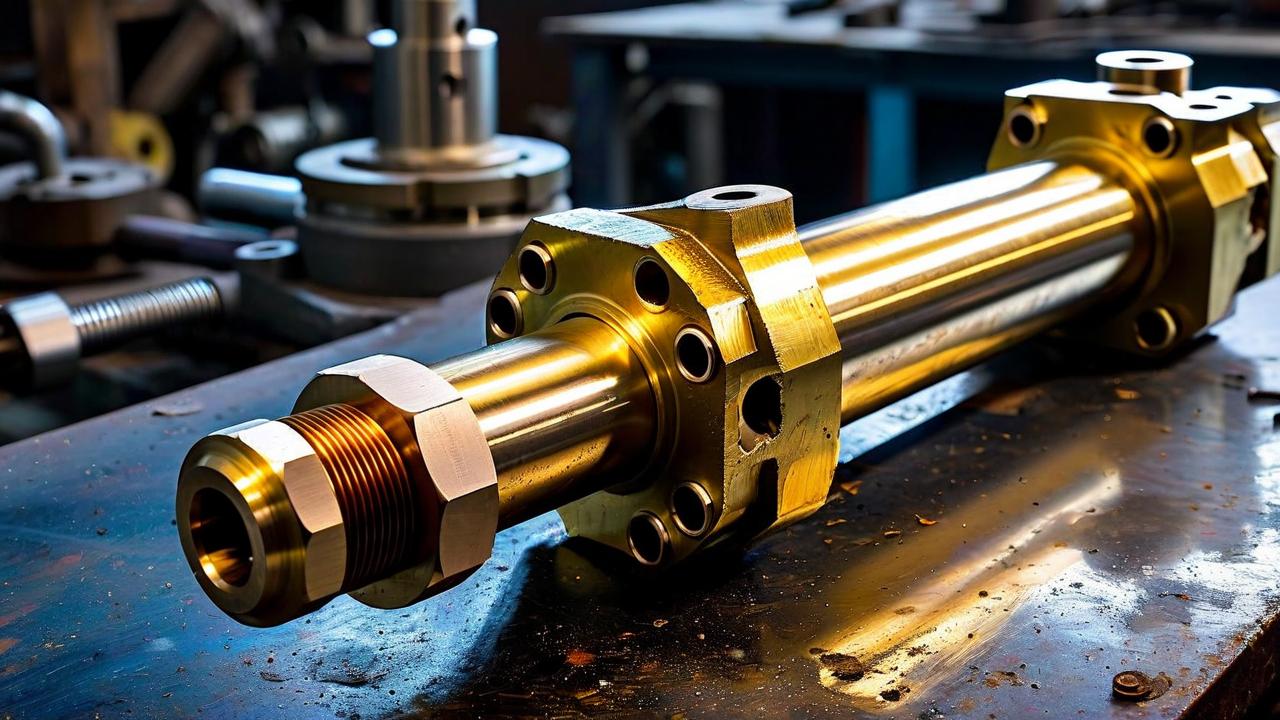

*this image is generated using AI for illustrative purposes only.
Parker Hannifin (NYSE: PH) has delivered strong returns over the past five years, with a $100 investment growing to $329.97. The industrial motion and control company’s stock has generated an average annual return of 27.38%, significantly outpacing broader market benchmarks.
The performance highlights the impact of compounded growth on long-term equity holdings. Parker Hannifin currently holds a market capitalization of $125.42 billion, reflecting sustained investor confidence in its business model.
Five-Year Performance Breakdown
The stock’s trajectory over the last half-decade demonstrates consistent value creation. Key metrics from the period include:
| Metric | Value |
|---|---|
| Initial Investment | $100 |
| Current Value | $329.97 |
| Average Annual Return | 27.38% |
| Market Cap | $125.42 billion |
An investor who purchased $100 of PH stock five years ago would see that position valued at $329.97 today, based on a share price of $995.02 at the time of writing.
What the Numbers Show
The annualized outperformance of 16.14% against the market underscores Parker Hannifin’s ability to generate alpha over extended periods. This divergence suggests that the company’s operational execution has consistently exceeded general market expectations during this timeframe.
Compounding Impact
The primary takeaway from these figures is the substantial effect of compounding on capital growth. Over a five-year horizon, the difference between market-matching returns and Parker Hannifin’s specific performance resulted in more than a tripling of the initial investment principal.

Can Parker Hannifin sustain its 27% annualized growth rate given its current $125 billion market capitalization?
How might rising interest rates impact the demand for industrial motion and control systems in Parker's key sectors?
What specific operational efficiencies or new product lines are driving the company's consistent alpha generation against broader market benchmarks?
 16
16









 Access 50+ Readymade Screeners
  Use 200+ Custom Filters
  Get Full Market Insights





