

Orezone Gold Q2 2026: Record Output, AISC Rises to $2,449


Orezone Gold delivered record Q2 2026 production of 58,566 oz and revenue of $271.6 million, driven by the inclusion of Casa Berardi. Adjusted EPS of $0.08 missed estimates as AISC rose to $2,449/oz due to lower grades and higher royalties. Operating cash flow was $109.3 million.

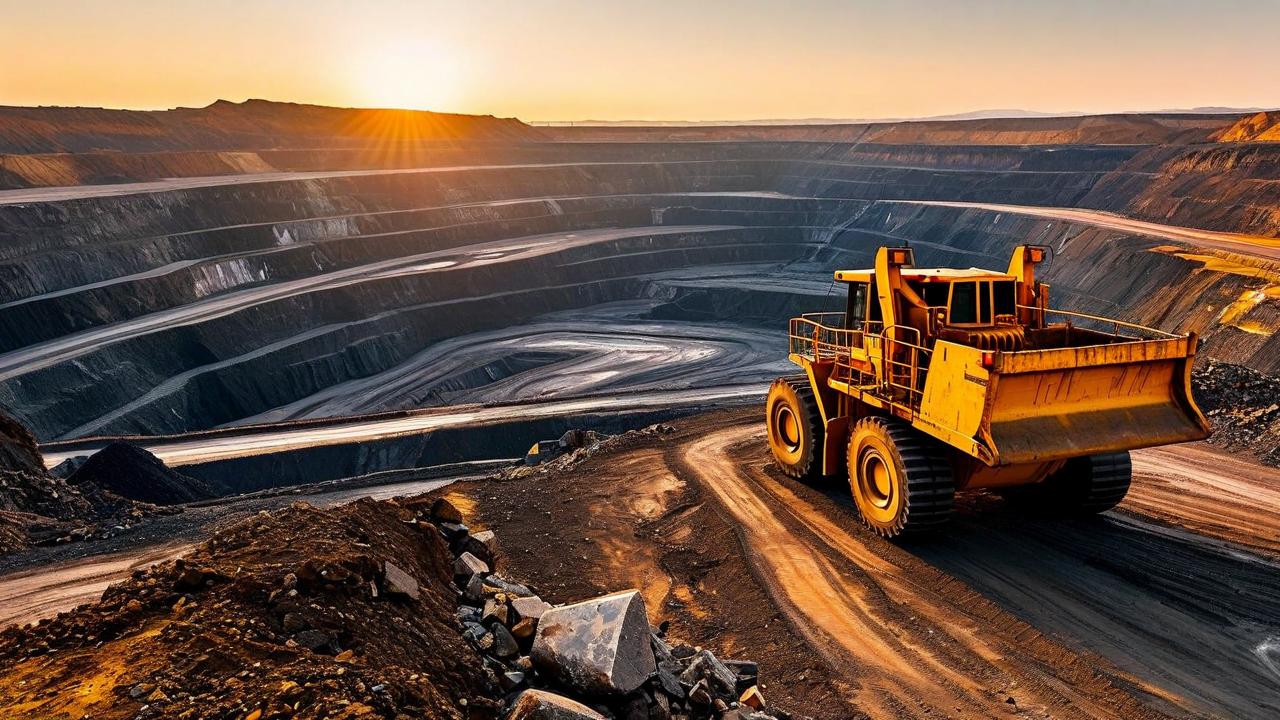

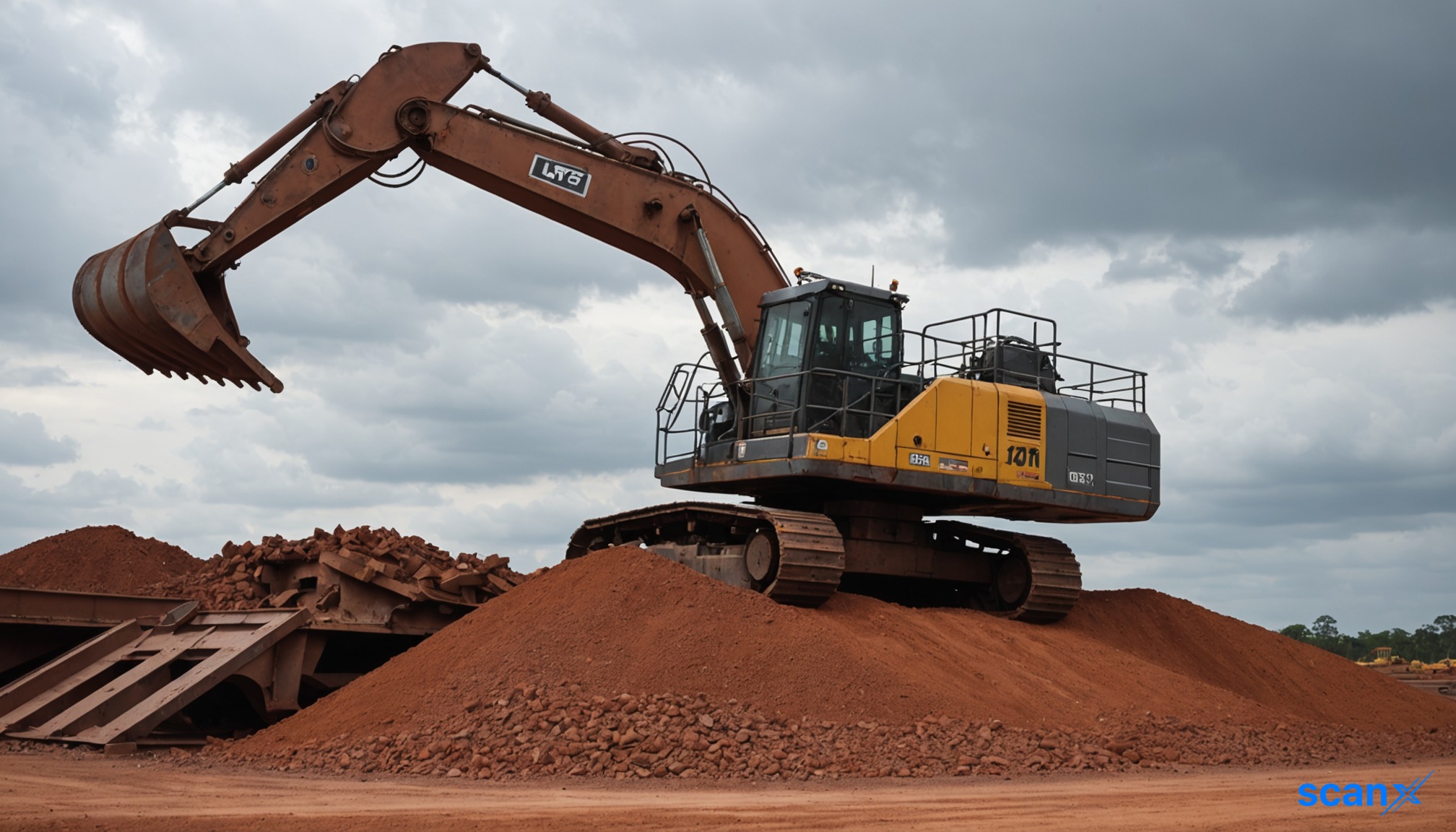
*this image is generated using AI for illustrative purposes only.
Orezone Gold Corporation (TSX: ORE) reported record quarterly gold production of 58,566 ounces for the second quarter of 2026, marking the first full quarter of contribution from its recently acquired Casa Berardi mine in Canada. The company generated record revenue of $271.6 million, a 187% year-on-year increase from $94.5 million in Q2 2025.
Despite the top-line growth, adjusted earnings per share (EPS) of $0.08 missed the consensus estimate of $0.13 by 38.46%. Net earnings attributable to shareholders were $45.2 million, or basic EPS of $0.07. The results reflect the integration of Casa Berardi, which was acquired on March 25, 2026, alongside continued operations at the Bomboré mine in Burkina Faso.
Financial Performance
Revenue of $271.6 million fell short of the analyst consensus estimate of $363.1 million by 25.19%. However, it represents a substantial increase from the prior year period. Adjusted EBITDA reached $134.5 million, up from $45.5 million in Q2 2025. Operating cash flow was $109.3 million, and the company ended the period with cash of $96.7 million.
| Metric: | Q2 2026 | Q2 2025 | YoY Change |
|---|---|---|---|
| Revenue: | $271.6 million | $94.5 million | +187% |
| Adjusted EPS: | $0.08 | $0.04 | +100% |
| Basic EPS: | $0.07 | $0.03 | +133% |
| Net Earnings: | $45.2 million | $15.9 million | +184% |
Operational Highlights
Gold sales totaled 60,654 ounces at an average realized gold price of $4,401 per ounce. All-in sustaining costs (AISC) were $2,449 per gold ounce sold, compared to $1,830 per ounce in Q2 2025. Cash costs per gold ounce sold were $2,136.
The rise in AISC is attributed to lower head grades at both mines and higher government royalties at Bomboré due to stronger gold prices and a revised royalty structure effective April 2025. At Casa Berardi, costs were impacted by higher diesel prices and elevated maintenance for the mobile mining fleet.
Mine-Specific Results
Bomboré Mine: Produced 38,063 ounces in Q2 2026, a 38% increase from Q2 2025. This growth was driven by a 59% increase in plant throughput following the start-up of the hard rock plant in December 2025. Head grades declined 11% due to the drawdown of lower-grade stockpiles. AISC at Bomboré was $2,278 per ounce sold.
Casa Berardi Mine: Contributed 20,503 ounces in Q2 2026 from processing 364,000 ore tonnes at a head grade of 2.01 g/t. Operations are in line with plan. AISC at Casa Berardi was $2,558 per ounce sold. Exploration drilling has commenced at the F160 and F134 zones to re-establish high-grade underground stope inventory.
What the Numbers Show
The divergence between the record production volume and the miss on analyst revenue estimates highlights the impact of cost inflation and grade sequencing. While sales volume nearly doubled, the average realized price of $4,401/oz did not fully offset the higher AISC of $2,449/oz relative to market expectations. Furthermore, the significant jump in government royalty costs at Bomboré—part of the revised structure—directly pressured margins despite the operational success of the hard rock expansion.
Guidance and Outlook
For H1 2026, gold production was 97,355 ounces against full-year guidance of 222,000–247,000 ounces. Management expects production to be weighted towards H2 2026 as explosive supply issues are resolved and higher-grade ore benches are accessed. AISC is expected to improve in H2 2026 due to higher forecasted feed grades.
Construction of the Bomboré Stage 2A Hard Rock Expansion is on schedule for commissioning in Q4 2026. The company also plans to release the Casa Berardi Life-of-Mine Study in September 2026.

How will the Q4 2026 commissioning of the Bomboré Stage 2A Hard Rock Expansion impact Orezone's ability to offset declining head grades at the existing plant?
What specific cost mitigation strategies is management implementing to address the rising AISC driven by higher diesel prices and maintenance costs at Casa Berardi?
Could the revised royalty structure at Bomboré, which significantly pressured margins in Q2, lead to further negotiations with the Burkina Faso government or affect future expansion viability?
 19
19




 Create Custom Screeners
  Access 200+ Pre-built Filters
  Use 50+ Readymade Screener





