

Nexxus Petro commissions 30 TPD tyre pyrolysis plant in Rajasthan


Nexxus Petro Industries has commissioned a 30 TPD used tyre pyrolysis plant in Pali, Rajasthan, with commercial production starting August 30, 2026. The unit aims to generate ₹25-30 crore in annual revenue in Phase 1, scaling to ₹50-60 crore at full 60 TPD capacity. With a targeted net profit margin of 8-10%, the expansion supports the company's downstream integration strategy and is expected to be accretive to consolidated earnings.


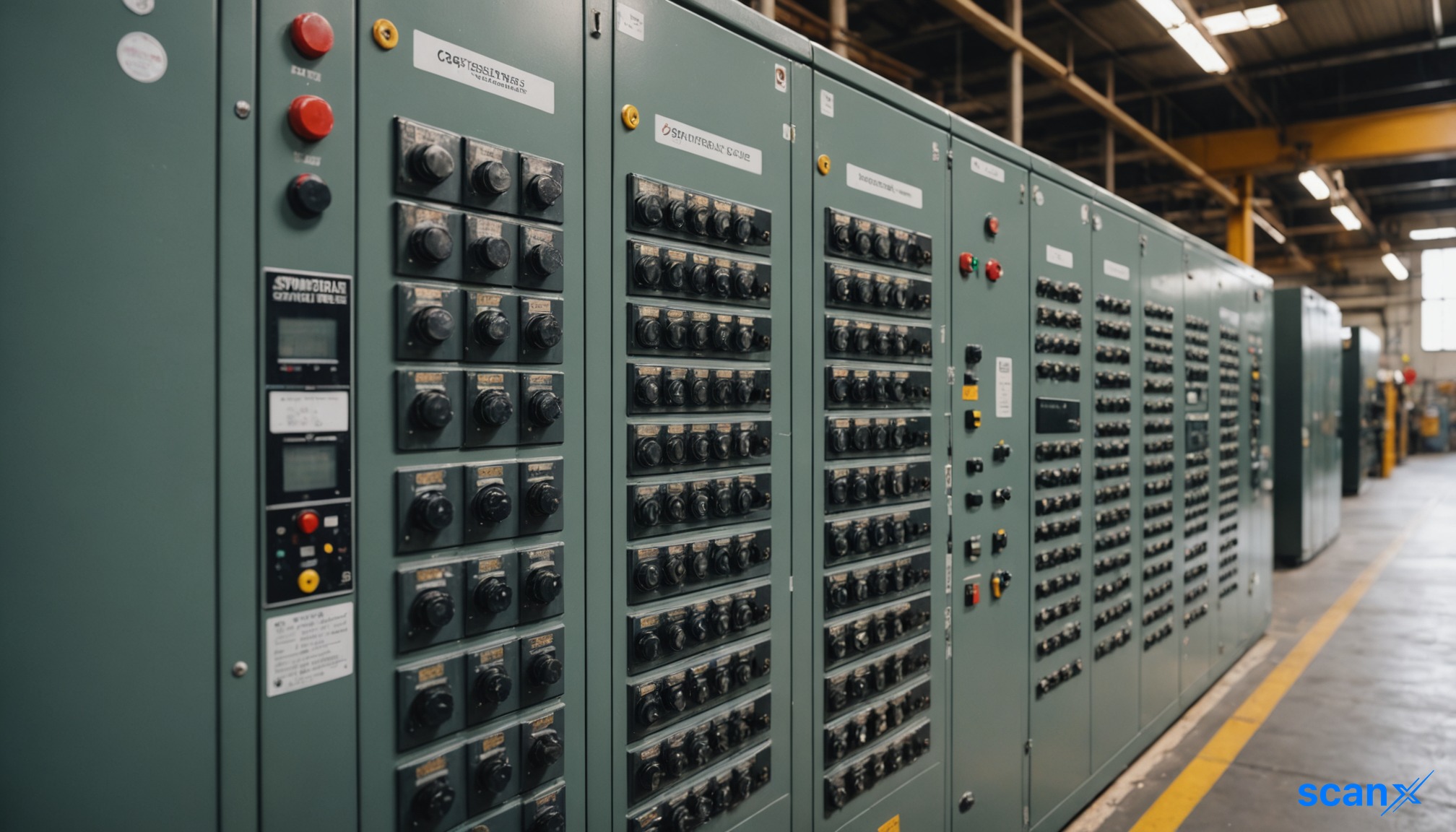
*this image is generated using AI for illustrative purposes only.
Nexxus Petro Industries has established a 30 Tons Per Day (TPD) used tyre pyrolysis plant at its wholly owned operational facility in Pali, Rajasthan. Commercial production is scheduled to commence from August 30, 2026. The expansion marks the company’s strategic entry into manufacturing used tyre pyrolysis oil (TPO) and carbon, transitioning from trading to captive production.
The new facility forms part of the company’s downstream integration strategy. Previously, Nexxus traded approximately 250-300 MT per month of oil and 180-200 MT per month of carbon. The captive production unit allows the company to fulfil existing market demand directly, capturing manufacturing value additions. TPO serves as a cost-effective substitute for Light Diesel Oil (LDO) in hot-mix plants for heating bitumen during road construction, enabling cross-selling to existing bitumen clients without additional customer acquisition costs.
Capacity and Expansion Roadmap
The Phase 1 unit operates with an installed capacity of 30 TPD, supported by 500 KL of on-site liquid storage tank capacity. The civil foundations and structural layout at Pali are designed to support a total site capacity of 60 TPD. Following 30 days of successful commercial operations, the company plans to initiate Phase 2 by installing an additional 30 TPD modular unit within a few months, scaling facility output to 60 TPD.
Financial Projections
The new facility is targeted to generate annual revenue of ₹25-30 crore in Phase 1, scaling to ₹50-60 crore upon full deployment of the 60 TPD capacity. The segment carries a net profit (PAT) margin of 8-10%, which is meaningfully higher than the company’s core bitumen business. This expansion is expected to be accretive to consolidated earnings, contributing toward the company’s projected turnover of ₹400 crore for FY27 with a PAT of up to 4%.
| Metric | Phase 1 (30 TPD) | Full Capacity (60 TPD) |
|---|---|---|
| Annual Revenue Target | ₹25-30 crore | ₹50-60 crore |
| Net Profit Margin | 8-10% | 8-10% |
| Operational Start | August 30, 2026 | Post-Phase 1 success |
Funding and Strategic Positioning
The ₹14 crore capex for the facility was funded through internal accruals and term loans. The company benefits from an effective interest subsidy of approximately 5% per annum for seven years, subject to applicable terms and approvals, reducing the effective cost of borrowing.
Nexxus operates three processing facilities across Western and Central India: Pali (Rajasthan - 300 MT/Day), Mundra (Gujarat - 150 MT/Day), and Bhopal (Madhya Pradesh - 100 MT/Day), with a combined capacity of 550 MT/Day. The company holds an exclusive CSIR-CRRI and CSIR-IIP certified licence for KrishiBind™ bio-bitumen technology.
What the Numbers Show
The shift from trading to captive manufacturing is designed to expand margins significantly. While the core bitumen business faces raw material volatility and seasonal demand fluctuations, the new TPO segment targets a net profit margin of 8-10%, compared to the company’s overall projected PAT of up to 4% for FY27. This divergence suggests that the pyrolysis business is expected to drive disproportionate earnings growth relative to its revenue contribution, leveraging existing customer synergies to reduce distribution costs.
Historical Stock Returns for Nexxus Petro Industries
| 1 Day | 5 Days | 1 Month | 6 Months | 1 Year | 5 Years |
|---|---|---|---|---|---|
| +5.00% | 0.0% | 0.0% | -31.48% | -39.97% | -48.73% |

How will Nexxus mitigate the supply chain risks associated with sourcing consistent volumes of used tyres for its 60 TPD capacity, given the fragmented nature of waste tyre collection in India?
What is the regulatory outlook for Tyre Pyrolysis Oil (TPO) usage in road construction, and could stricter environmental norms on emissions impact the company's 8-10% margin projections?
Given the reliance on term loans for the ₹14 crore capex, how might potential interest rate fluctuations affect the effective cost of borrowing despite the current 5% subsidy?
 17
17




 Create Custom Screeners
  Access 200+ Pre-built Filters
  Use 50+ Readymade Screener





