

NanoViricides wins FDA rare pediatric designation for measles drug


- NanoViricides wins FDA RPDD and Orphan Drug Designation for NV-387
- Priority Review Voucher eligibility offers potential $195 million sale value
- Phase II clinical trial protocol draft is currently in circulation
- US measles cases hit 2,903 by late August 2026, up from 2,289 in 2025
- Global outbreaks intensify in Bangladesh, Europe, and Latin America

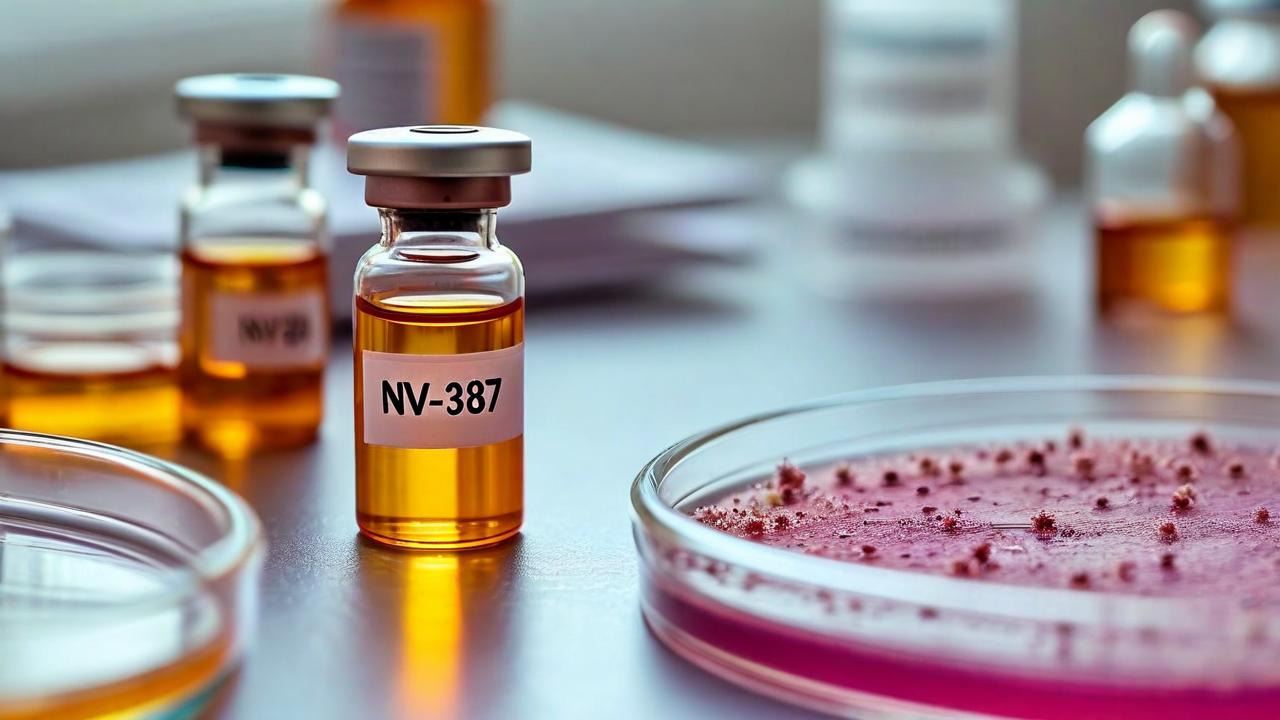

*this image is generated using AI for illustrative purposes only.
NanoViricides Inc (NYSE: NNVC) has secured a Rare Pediatric Disease Drug (RPDD) designation from the US Food and Drug Administration (FDA) for its measles treatment candidate, NV-387. This regulatory milestone positions the company to potentially earn a Priority Review Voucher (PRV) upon successful marketing approval.
The RPDD designation allows the company to apply for a PRV if all required conditions are met during the New Drug Application process. A PRV can be used to reduce review times for another drug application or sold to other pharmaceutical companies. The source notes that a PRV was recently sold for $195 million, providing a potential revenue stream prior to commercialization.
Regulatory Incentives
In addition to the RPDD, the FDA has granted Orphan Drug Designation (ODD) for NV-387 as a treatment for measles. Measles qualifies as a rare disease in the USA with annual incidence rates well below 200,000 cases and primarily affects children. The ODD qualification provides NanoViricides with several incentives:
- Tax credits for qualified clinical trials
- Exemption from certain user fees
- Potential seven years of market exclusivity after approval
Clinical Development Status
NanoViricides is currently developing a Phase II clinical trial protocol for NV-387 as a measles treatment. The draft protocol is being circulated with the intention of submitting it under an Investigational New Drug (IND) process with the FDA. The company states this work is expected to take some time.
NV-387 is described as the only drug candidate known to demonstrate strong in vivo activity against lethal measles virus infection in a humanized animal model study. There is currently no approved drug treatment for measles; vaccines do not help patients already infected. NV-387 is part of a broader pipeline, with the company also developing candidates for RSV, COVID, Influenza, Mpox, Smallpox, and Shingles (NV-HHV-1).
Epidemiological Context
The push for a treatment comes amid rising global measles cases. In the USA, confirmed cases reached 2,903 as of August 27, 2026, compared to 2,289 for the entire year of 2025. Two recent fatalities in Pennsylvania are under review by the CDC.
In Bangladesh, the outbreak has intensified despite vaccination campaigns launched in April-May 2026. From March 15 to August 30, 2026, there were 19,218 confirmed cases with 99 fatalities. Additionally, 137,347 suspected patients were admitted to hospitals, with 868 deaths among children from suspected measles. In the last 24 hours of that period, 1,151 suspected cases and 4 deaths were reported.
Measles cases are also rising across Western Europe, the UK, Canada, Mexico, and several Central and South American countries. Many countries that had achieved elimination status have lost it due to severe outbreaks over the last three years.
Vaccination Trends
The MMR vaccination rate in the USA fell from 95.2% in 2019-2020 to an average of 92.4% in 2025-26. This rate is below the 95% threshold generally agreed upon to block measles spread. Approximately 280,000 unvaccinated kindergartners are considered at risk. Breakthrough cases remain steady at about 6%, split evenly between single-dose and full two-dose vaccinated individuals.
Vaccine hesitancy has risen globally, partly attributed to aggressive COVID vaccination policies. Furthermore, persons with co-morbidities such as immune-compromise, diabetes, or obesity may not respond fully to vaccination. The circulating B and D genotypes differ from the A genotype targeted by vaccines developed in the 1960s, leading to breakthrough infection rates of 14% to 57% in some outbreaks.
What the Numbers Show
The regulatory strategy leverages the rarity of measles in the US to secure high-value incentives despite limited commercial revenue potential. With annual incidence below 200,000 cases, commercial sales may be slow and small. However, the combination of Orphan Drug exclusivity (seven years) and the potential $195 million PRV sale creates a significant financial buffer. This structure highlights a business model where regulatory milestones and voucher sales drive value creation ahead of product commercialization.

If NV-387 successfully completes Phase II trials, which larger pharmaceutical companies would be most likely to acquire or license the drug, given the potential $195 million PRV and seven-year market exclusivity?
As measles genotypes B and D increasingly diverge from the vaccine-targeted A genotype, how might this accelerate regulatory fast-tracking for antiviral treatments like NV-387 beyond current Orphan Drug pathways?
Could the escalating Bangladesh outbreak and loss of elimination status in multiple countries pressure the WHO or GAVI to create a strategic stockpile procurement mechanism for measles antivirals, potentially transforming NV-387's commercial outlook?
 17






 Create Custom Screeners
 Access 200+ Pre-built Filters
 Use 50+ Readymade Screener





