

Mish Designs launches MISH brand across 21 Reliance Trends stores in 10 states


- Mish Designs launches MISH brand across 21 Reliance Trends stores in 10 states
- Expansion executed through subsidiary I'Design Fashions Private Limited
- Move strengthens omnichannel strategy alongside existing digital and EBO presence
- Brand has sold over 2.5 lakh products online since FY 2017-18
- Eight existing DeMoza stores to be integrated into the group's retail network

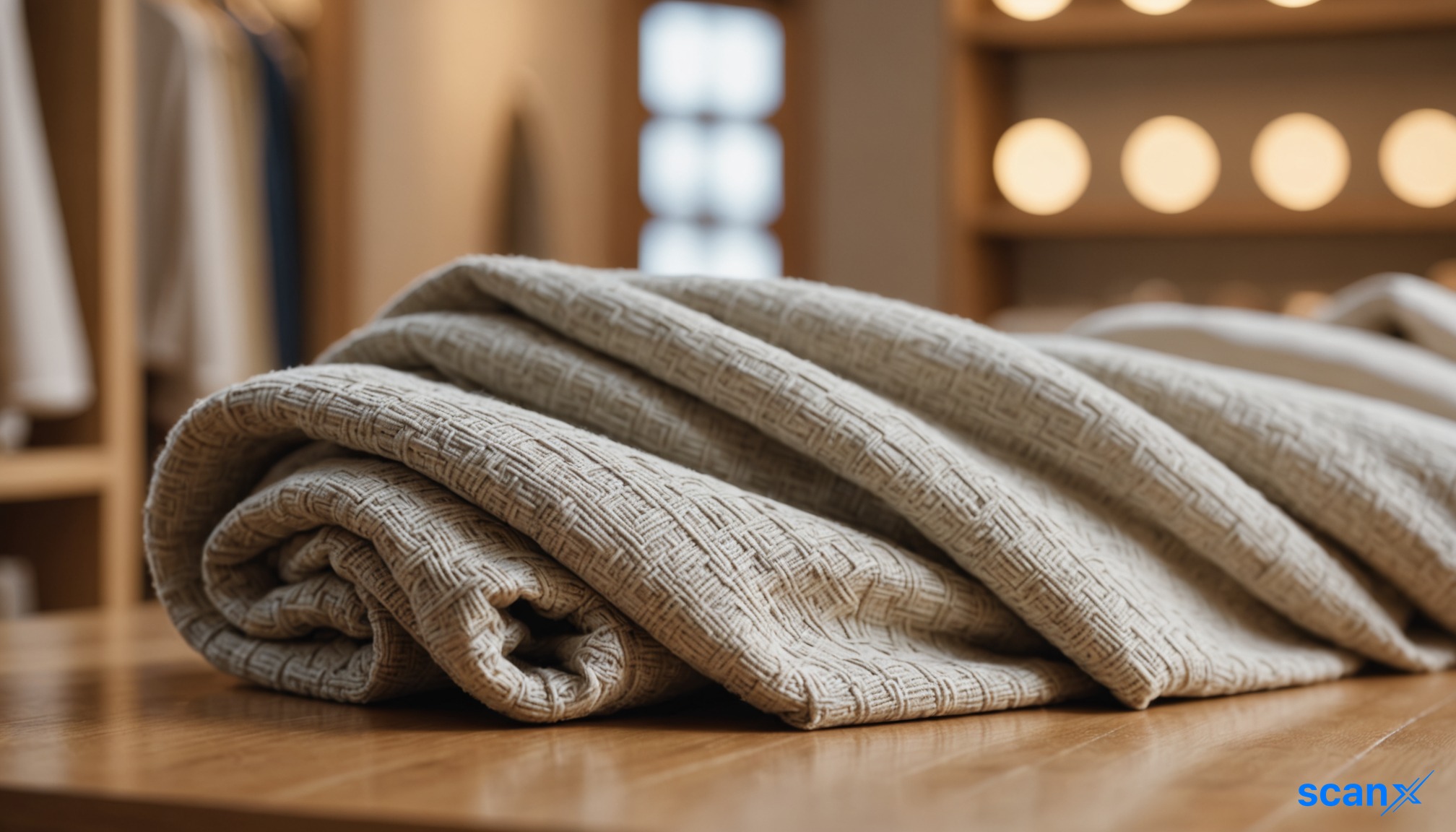

*this image is generated using AI for illustrative purposes only.
Mish Designs has launched its MISH brand across 21 Reliance Trends stores spanning 10 states, marking a significant expansion in its large-format retail footprint. The rollout covers key markets across North, West, East, and Central India.
The expansion is executed through the company’s subsidiary, I'Design Fashions Private Limited. This strategic move aligns with Mish Designs’ broader vision of building a robust omnichannel presence, complementing its existing digital sales channels and exclusive brand outlets.
Strategic Retail Expansion
The launch targets both metropolitan hubs and emerging fashion markets. By leveraging Reliance Trends’ extensive network, Mish Designs aims to enhance brand visibility and customer engagement. The company noted strong initial response from customers and store teams since day one.
This development reinforces the strategic rationale behind Mish Designs’ investment in I'Design Fashions. Alongside the existing DeMoza business, I'Design is building a scalable platform for women’s fashion brands in the large-format retail segment.
Geographic Reach
The stores are distributed across multiple states, ensuring widespread access to the brand’s contemporary women’s fashion collections. Key locations include Delhi, Maharashtra, West Bengal, and Punjab.
| State | Number of Stores | Key Locations |
|---|---|---|
| Maharashtra | 5 | Mumbai (Main Street Mall, Phoenix Market City), Nagpur |
| West Bengal | 4 | Kolkata, Medinipur, Siliguri |
| Delhi | 2 | Dwarka City Center, Karol Bagh |
| Punjab | 2 | Jalandhar, Mohali |
| Haryana | 2 | Gurgaon (Ambi Mall, Airia Mall) |
| Other States | 6 | Bihar, Gujarat, Madhya Pradesh, Odisha, Arunachal Pradesh |
Omnichannel Strategy
Mish Designs continues to scale its footprint across leading online marketplaces, including Myntra, Nykaa Fashion, Ajio, Tata Cliq, and Namshi. Since FY 2017-18, the brand has sold over 2.5 lakh products online.
The company also operates exclusive brand outlets, having recently opened flagship stores at Seasons Mall in Pune, Zora Mall in Raipur, and Phoenix Mall in Indore. Additionally, eight existing DeMoza stores will be integrated into the transaction, further expanding the group’s retail network.
Management Commentary
Kaushal Goenka, Managing Director of Mish Designs Limited, highlighted the significance of the partnership. He stated that Reliance Trends is one of the strongest large-format retail platforms in the country, describing the launch as a "huge vote of confidence" in the brand.
Goenka noted that the customer response has been "electric" from the start, indicating strong market acceptance for the brand’s modern silhouettes and versatile collections.
About Mish Designs
Mish Designs specializes in affordable Western and Indo-Western attire for women. The brand offers over 1,000 designs, including dresses, gowns, tops, co-ords, T-shirts, trousers, and palazzos. It operates a 10,000 sq. ft. manufacturing unit with a dedicated team of 54 employees.
In addition to the domestic "MISH" and "CURVES BY MISH" lines, the company exports the "ZOEY" line to the UAE.
Historical Stock Returns for Mish Designs
| 1 Day | 5 Days | 1 Month | 6 Months | 1 Year | 5 Years |
|---|---|---|---|---|---|
| +4.45% | +13.97% | +7.64% | +18.83% | -36.48% | -74.51% |

How will the integration of the eight DeMoza stores impact Mish Designs' overall supply chain efficiency and inventory management?
What is the projected timeline for expanding the MISH brand into additional large-format retail partners beyond Reliance Trends?
How does the strong initial customer response in tier-2 and tier-3 cities compare to performance in metropolitan hubs, and will this influence future geographic prioritization?
 17
17







 Access 50+ Readymade Screeners
  Use 200+ Custom Filters
  Get Full Market Insights





