Microsoft plans 38 GW data center capacity to meet AI demand

scanx
Reviewed by
Ashish TScanX News Team
Key Highlights
  • Microsoft plans to reach 38 gigawatts of data center capacity
  • Expansion aims to triple existing computing power
  • Company previously turned away AI and cloud business due to shortages
  • Initiative addresses critical supply-side constraints
powered bylight_fuzz_icon
50621157

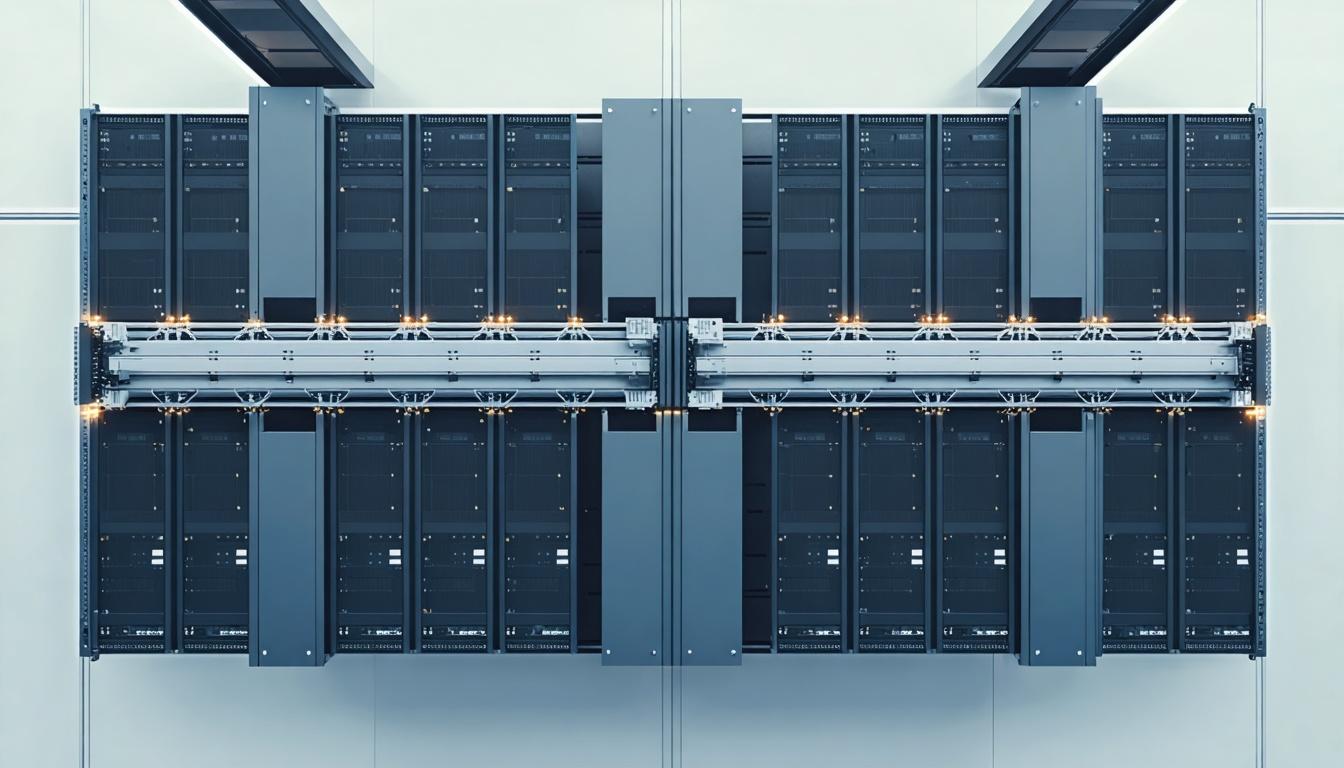
*this image is generated using AI for illustrative purposes only.

Microsoft Corp plans to expand its data center footprint to 38 gigawatts of computing power. The initiative aims to address severe supply constraints that previously forced the company to decline AI and cloud business opportunities.

Strategic Capacity Expansion

The tech giant is executing a significant infrastructure push to triple its existing computing capabilities. This expansion is a direct response to market demand that outpaced previous supply levels.

Addressing Supply Shortages

Microsoft acknowledged that earlier shortages in computing resources compelled it to turn away potential AI and cloud clients. The new plan targets a total capacity of 38 gigawatts, signaling a major capital commitment to resolve these bottlenecks.

What the Numbers Show

The jump from current constraints to a 38-gigawatt target highlights the scale of Microsoft's response to unmet demand. The explicit link between past lost business and this specific capacity goal indicates that supply-side limitations were a primary constraint on revenue growth in the AI segment.

Metric Detail
Target Capacity 38 gigawatts
Primary Driver AI and cloud demand
Past Constraint Supply shortages
Business Impact Turned away customers
Disclaimer: This article is AI-generated using data from ViewTrade. ScanX is not liable for any inaccuracies.

How will Microsoft's massive capital expenditure for this 38-gigawatt expansion impact its short-term profit margins and return on invested capital?

What specific regulatory or environmental hurdles might delay the construction of new data centers required to meet this capacity target?

Will competitors like Amazon Web Services and Google Cloud accelerate their own infrastructure builds to prevent Microsoft from capturing a dominant market share in AI hosting?

like16
dislike

Microsoft 4Q26 Results: Azure growth accelerates to 43%, BofA raises PT

scanx
Reviewed by
Anirudha BScanX News Team
Key Highlights
  • Bank of America raised Microsoft price target to $600, citing AI-driven Azure growth
  • Azure revenue growth accelerated to 43% in 4Q26 from 39% in 3Q26
  • Microsoft guided for 45% Azure growth in 1Q27
  • Nvidia extended payment terms to 60 days to ease AI infrastructure bottlenecks
  • Nvidia raised over $500 billion in third-party capital for AI data centers
powered bylight_fuzz_icon
49821930

*this image is generated using AI for illustrative purposes only.

Bank of America raised its price target for Microsoft (NASDAQ: MSFT) to $600 from $500, citing accelerating growth in its Azure cloud platform driven by artificial intelligence investments. The firm reiterated a Buy rating on the stock.

The analyst note highlighted that Microsoft’s fourth-quarter fiscal 2026 results validated its AI strategy. Azure revenue growth accelerated from 39% in the third quarter of fiscal 2026 to 43% in the fourth quarter. The company also provided guidance for a 45% growth rate in the first quarter of fiscal 2027.

What the Numbers Show

The sequential acceleration in Azure growth—from 39% to 43%—coupled with forward guidance of 45%, indicates strengthening momentum rather than a plateau. This trajectory suggests that Microsoft’s capital expenditures in AI infrastructure are translating into higher cloud adoption rates at an increasing pace.

Nvidia’s AI Financing Strategy

Momentum in the AI sector is supported by infrastructure financing initiatives from key partners. Nvidia Corp (NASDAQ: NVDA) disclosed during its earnings call that it extended payment terms for some investment-grade customers to 60 days. This move aims to remove financial bottlenecks in AI deployment.

Nvidia has invested nearly $50 billion in frontier AI labs and partnered with major financial firms to raise over $500 billion in third-party infrastructure capital. These initiatives support AI data centers through revenue-sharing arrangements, providing minimum revenue guarantees for neocloud operators.

Investor Positioning

Microsoft’s performance aligns with the investment thesis of Pershing Square Capital Management. Bill Ackman’s firm disclosed Microsoft as its fourth-largest holding in its first-quarter 2026 Form 13F filing. The stock’s technical indicators show a neutral RSI(14) of 64.74, trading above both its 50-day and 200-day simple moving averages, forming a golden cross pattern.

Disclaimer: This article is AI-generated using data from ViewTrade. ScanX is not liable for any inaccuracies.

How might the acceleration in Azure growth impact Microsoft's capital expenditure requirements and profit margins in fiscal 2027?

Could Nvidia's extended payment terms and revenue-sharing models create new financial risks for hyperscalers if AI adoption slows?

Will other major cloud providers like Amazon Web Services or Google Cloud be forced to adjust their pricing or financing strategies to compete with Microsoft's momentum?

like19
dislike

More News on microsoft