

Meta, BlackRock launch $14 billion Texas AI data center venture


Meta Platforms and BlackRock announced a $14 billion joint venture to build a 1-gigawatt AI data center campus in El Paso, Texas. BlackRock owns 80% of the venture, while Meta retains 20% and leases the facility. The project includes a $12.5 billion debt financing component and is expected to create over 4,000 construction jobs.


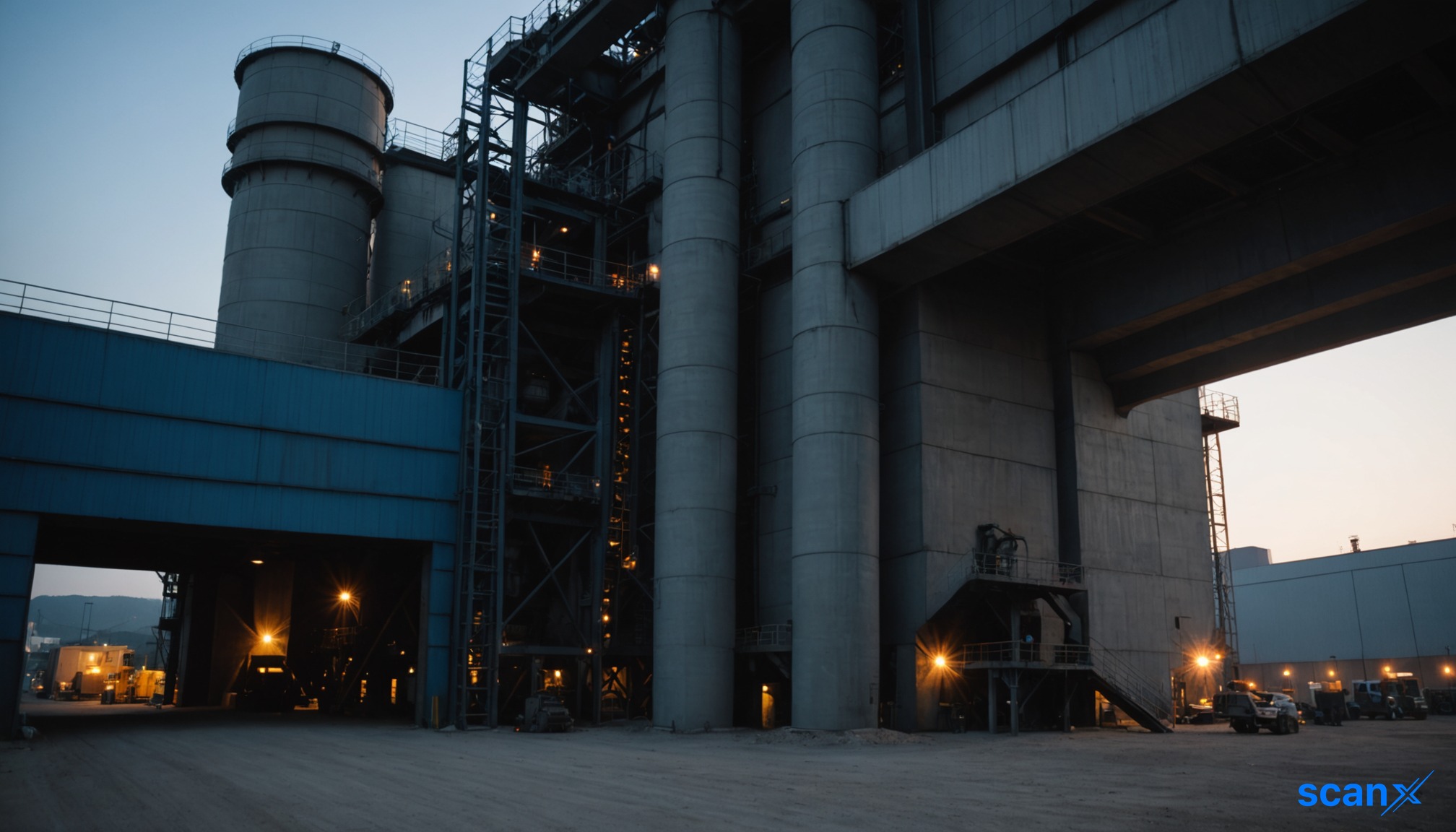
*this image is generated using AI for illustrative purposes only.
Meta Platforms Inc. and BlackRock Inc. announced on July 28, 2026, the formation of a joint venture to finance, develop, and operate a $14 billion artificial intelligence data center campus in El Paso, Texas. The partnership combines Meta’s infrastructure expertise with BlackRock’s capital scale to accelerate AI ambitions. This structure allows Meta to monetize a portion of its infrastructure investment upfront while preserving liquidity for ongoing model development.
Funds managed by BlackRock will own an 80% interest in the venture, while Meta retains the remaining 20% ownership stake. At financial close, Meta will contribute land and construction-in-progress assets valued at approximately $2.3 billion. BlackRock will make a cash contribution of approximately $4.9 billion, partially funded through proceeds from a $12.5 billion debt financing. To align ownership stakes according to the 80/20 split, Meta will receive a one-time distribution of approximately $1 billion.
Project Specifications and Lease Terms
The state-of-the-art campus is currently under construction and will feature 1 gigawatt of compute capacity. It is designed to support enhancements to Meta’s core business and accelerate progress on AI models. Meta will serve as the initial sole occupant upon completion, entering into lease agreements for the entire campus. These leases carry a four-year initial term with four options to extend, offering Meta flexibility over a potential 20-year horizon.
Meta has provided residual value guarantees (RVG) with an aggregate threshold of approximately $13 billion, which decreases over time. If specific conditions are met within the first 16 years, Meta’s maximum RVG payment would cover any shortfall between the property’s fair value and the RVG threshold. The project is expected to begin coming online in 2028.
| Metric | Value |
|---|---|
| Total Development Costs | $14 billion |
| Compute Capacity | 1 gigawatt |
| BlackRock Ownership | 80% |
| Meta Ownership | 20% |
| BlackRock Cash Contribution | $4.9 billion |
| Meta Asset Contribution | $2.3 billion |
| One-Time Distribution to Meta | $1 billion |
| Debt Financing Portion | $12.5 billion |
| RVG Aggregate Threshold | $13 billion |
| Expected Online Date | 2028 |
Economic Impact and Workforce Development
The El Paso project represents an investment of over $10 billion from Meta. It is projected to support more than 4,000 construction jobs at peak activity and 300 operational roles once complete, with over 2,300 workers already onsite. The site is integrated with America’s Workforce Academy, a free skilled trades training program that guarantees employment upon graduation.
Furthermore, Meta provided a $500,000 grant to El Paso public schools to foster workforce development in STEM and skilled trades. BlackRock is also contributing through Future Builders, a national initiative funded by The BlackRock Foundation, which has invested nearly $30 million to train more than 12,000 electricians over three years.
What the Numbers Show
The deal structure highlights a strategic decoupling of asset ownership from operational control. By transferring 80% ownership to BlackRock and securing a $1 billion immediate cash distribution, Meta effectively monetizes a portion of its infrastructure investment upfront. This allows Meta to preserve liquidity for ongoing AI model development while locking in long-term occupancy rights through the lease agreement. The $13 billion residual value guarantee ensures that BlackRock’s downside risk is capped, reflecting a balanced risk-sharing model typical of large-scale infrastructure partnerships.
Morgan Stanley & Co. LLC and J.P. Morgan Securities LLC served as financial advisors to Meta. Latham & Watkins LLP acted as legal counsel for Meta, while Eversheds Sutherland (US) LLP advised on leasing matters. Arthur D. Little LLC provided commercial due diligence, Marsh offered risk analysis, and Arup served as the independent engineer. Kirkland & Ellis LLP represented the BlackRock funds, with Charles River Associates, Turner & Townsend, and Marsh acting as technical advisors.

How might Meta's use of residual value guarantees in this joint venture influence the broader trend of tech companies offloading infrastructure assets to financial institutions?
What impact could BlackRock's $12.5 billion debt financing for this project have on commercial real estate interest rates and capital availability for similar AI data center developments?
Given the 20-year lease horizon, how exposed is Meta to technological obsolescence risks if AI hardware efficiency improves significantly before 2046?
 17
17






 Access Market Heat-map & Insights
  Create, Save & Share your Screener
  Use 200+ Screening Filters





