

Kuantum Papers outlines growth strategy in Q1FY26 presentation


Kuantum Papers released its Q1FY26 investor presentation on June 18, 2026, pursuant to Regulation 30 of the SEBI (LODR) Regulations, 2015. The presentation details the company's integrated manufacturing operations in Hoshiarpur, Punjab, with a total capacity of 540 TPD, and highlights its product portfolio serving over 110 dealers and 25 export countries. Historical financial data from FY23 to FY26 shows an operational income of ₹10,932 Mn and a Profit After Tax of ₹420 Mn for FY26. The company outlined future strategies including debottlenecking to increase capacity by 50%, leveraging the single-use plastic ban, and sustainability initiatives such as reducing freshwater consumption to below 30 m³ per tonne.


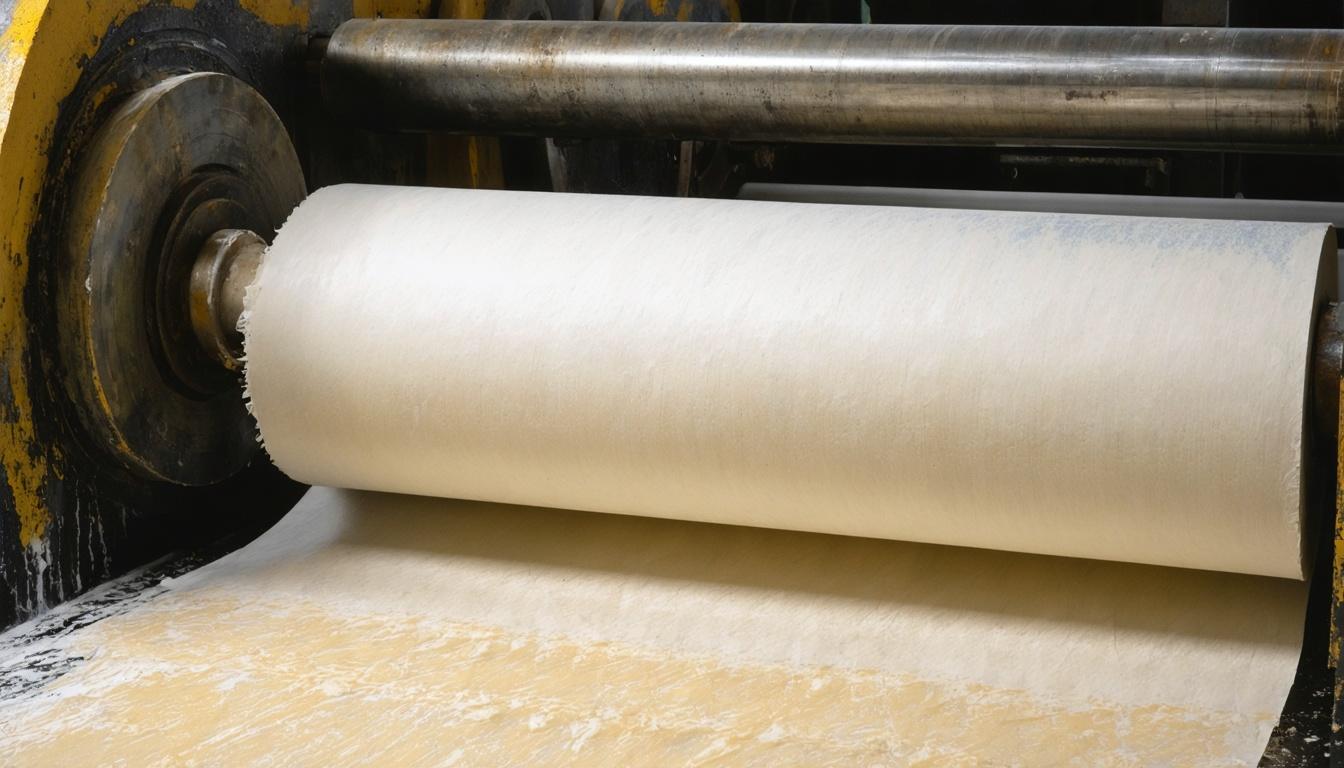
*this image is generated using AI for illustrative purposes only.
Kuantum Papers released its investor presentation for Q1FY26 on June 18, 2026, providing a comprehensive overview of its operations, manufacturing capabilities, and strategic direction. The filing, made pursuant to Regulation 30 of the SEBI (Listing Obligations and Disclosure Requirements) Regulations, 2015, highlights the company's integrated manufacturing infrastructure and its focus on agro and wood-based paper production.
company name operates a fully integrated manufacturing facility spread across 259 acres in Hoshiarpur, Punjab. The company has expanded its production capacity significantly from 30 TPD in 1980 to a current total capacity of 540 TPD across four paper machines. The facility includes a chemical recovery plant with a total capacity of 700 Solids TPD and a co-generation power plant with a total installed capacity of 38 MW, ensuring operational efficiency and cost reductions.
The company's product portfolio encompasses a wide range of writing and printing paper, including maplitho, cream wove, and value-added specialty products such as thermal base paper and bond paper. Kuantum Papers utilizes an order-based manufacturing system, servicing over 110 dealers across India and exporting to 25 countries. Its marquee clientele includes major educational publishers like Macmillan Education India and Oxford University Press.
Financial Overview
The investor presentation includes a historical financial summary for the fiscal years 2023 through 2026. The data reflects the company's performance over this period, with operational income and profitability metrics detailed below.
| Particulars (INR Mn) | FY23 | FY24 | FY25 | FY26 |
|---|---|---|---|---|
| Operational Income | 13,096 | 12,113 | 11,070 | 10,932 |
| Total Expenses | 9,304 | 8,783 | 8,644 | 9,314 |
| EBITDA | 3,792 | 3,330 | 2,426 | 1,618 |
| EBITDA Margins (%) | 28.96% | 27.49% | 21.92% | 14.80% |
| Profit After Tax | 1,362 | 1,838 | 1,152 | 420 |
| PAT Margins (%) | 10.40% | 15.17% | 10.41% | 3.84% |
Future Growth and Sustainability
Kuantum Papers outlined its future growth strategy, which includes debottlenecking and upgrading plant operations to increase production capacity by approximately 50%. The company also plans to leverage the single-use plastic ban by developing a portfolio of specialty products. Additionally, it aims to explore technology in the specialty and tissue paper segments to diversify its product offerings.
Sustainability remains a key focus, with the company aiming to reduce freshwater consumption to below 30 m³ per tonne of paper. Its Social Farm Forestry Program covers 18,300+ acres, with a target to expand to 75,000 acres by 2030. The Clonal Propagation Centre plays a pivotal role in this initiative, with plans to augment capacity to produce 1 crore clones annually.
Historical Stock Returns for Kuantum Papers
| 1 Day | 5 Days | 1 Month | 6 Months | 1 Year | 5 Years |
|---|---|---|---|---|---|
| +1.87% | -0.01% | +3.42% | +4.03% | -29.28% | -10.48% |

What specific measures will Kuantum Papers implement to reverse the declining EBITDA and PAT margins seen in FY26?
How will the planned 50% capacity expansion impact the company's working capital requirements and debt levels?
What are the expected revenue contributions from the new specialty products developed in response to the single-use plastic ban?
 19
19














 Access Market Heat-map & Insights
  Create, Save & Share your Screener
  Use 200+ Screening Filters





