
 NewsKriti Industries Q4 & FY26 Earnings: Revenue Recovers in Q4, Full-Year EBITDA Up 23% to ₹35 Crores
Kriti Industries Q4 & FY26 Earnings: Revenue Recovers in Q4, Full-Year EBITDA Up 23% to ₹35 Crores


Kriti Industries (India) Limited reported a strong Q4 FY26 turnaround with revenue of ₹142 crores (+3% YoY), EBITDA of ₹18 crores, and net profit of ~₹4 crores versus a loss of ₹4 crores in Q4 FY25. For the full year FY26, EBITDA rose 23% to ₹35 crores with margins improving to 5.94%, despite a 19% revenue decline to ₹587 crores. Management highlighted building products as a key growth driver and confirmed CAPEX plans remain on hold pending assessment of the first two quarters of the current fiscal year.

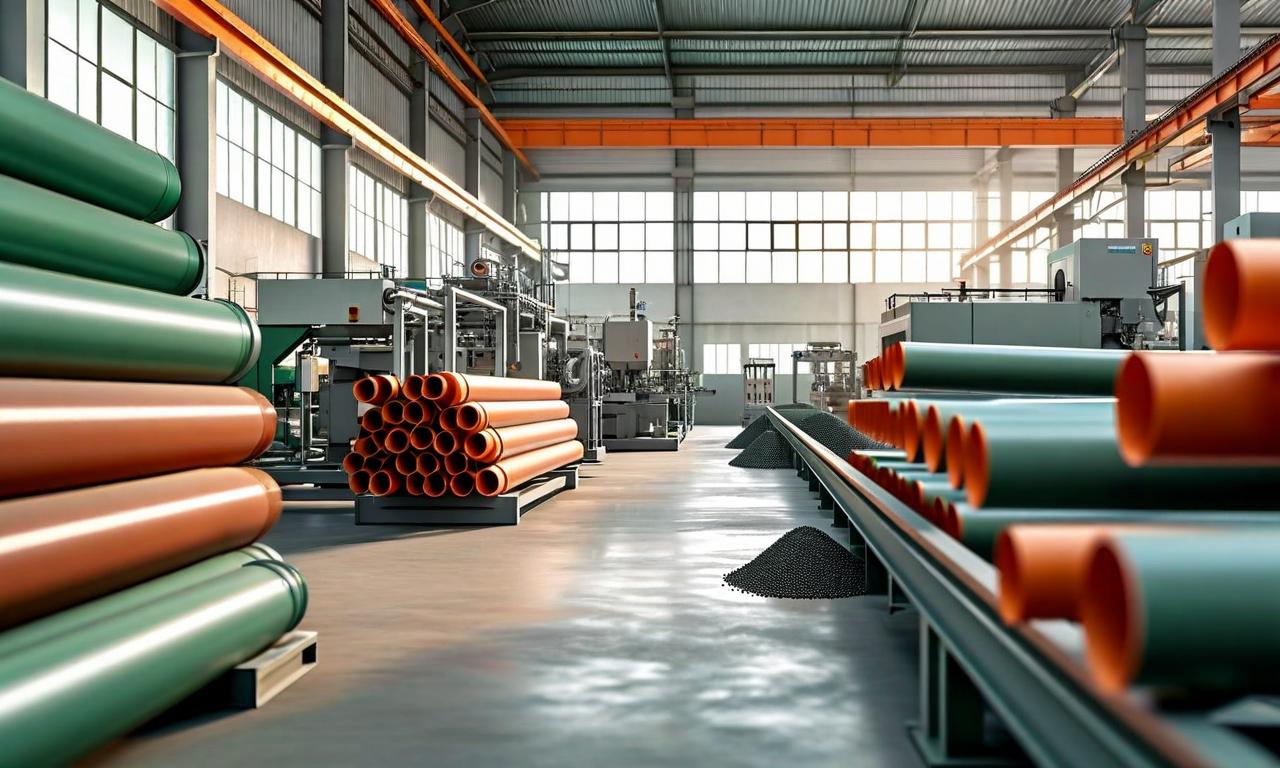

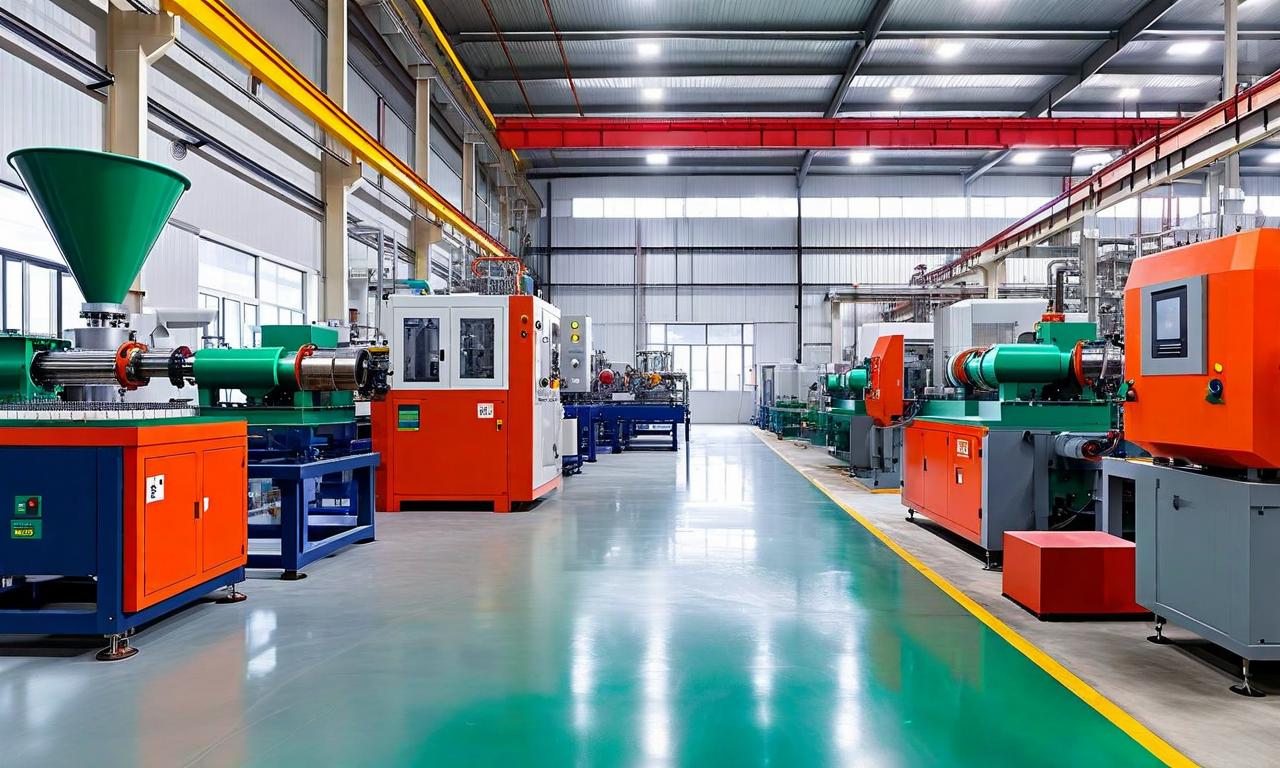
*this image is generated using AI for illustrative purposes only.
Kriti Industries (India) Limited held its Q4 & FY26 Earnings Conference Call on May 6, 2026, with Chairman and Managing Director Mr. Shiv Singh Mehta and Chief Financial Officer Mr. Rajesh Sisodia presenting the financial and operational highlights to investors and analysts. The call reflected a notable recovery in the fourth quarter after a challenging first nine months of the fiscal year, driven by improved EBITDA performance and a return to profitability at both the quarterly and annual levels.
Q4 FY26 Financial Performance
The company delivered a strong quarterly turnaround, with revenue, margins, and profitability all improving significantly on a year-on-year basis. The following table summarises the key financial metrics for Q4 FY26:
| Metric: | Q4 FY26 | Q4 FY25 | Change |
|---|---|---|---|
| Revenue: | ₹142 crores | — | +3% YoY |
| EBITDA: | ₹18 crores | ₹20 lakhs | Significant improvement |
| EBITDA Margin: | 12.91% | 0.15% | +1,276 bps YoY |
| Net Profit / (Loss): | ~₹4 crores (profit) | ₹4 crores (loss) | Turnaround |
The EBITDA margin expansion of 1,276 basis points on a year-on-year basis was particularly notable, reflecting improved operational efficiency and inventory dynamics in the quarter.
Full Year FY26 Financial Performance
Despite a challenging year marked by heavy rains in the company's key areas of operation and volatility in petrochemical prices, Kriti Industries managed to improve profitability metrics on an annual basis even as revenues declined. The full-year financial highlights are presented below:
| Metric: | FY26 | FY25 | Change |
|---|---|---|---|
| Revenue: | ₹587 crores | — | -19% YoY |
| EBITDA: | ₹35 crores | ₹28 crores | +23% YoY |
| EBITDA Margin: | 5.94% | 3.93% | +201 bps YoY |
| Net Profit / (Loss): | ₹1 crore (profit) | ₹4 crores (loss) | Turnaround |
Volume Performance Across Segments
The company's total sales volume for Q4 FY26 stood at 13,577 metric tons. While the agriculture and building product segments posted volume growth in the quarter, the industrial segment saw a steep decline. The full-year volumes, however, reflected the broader challenges faced during the first nine months of FY26.
Q4 FY26 Segment Volumes:
| Segment: | Q4 FY26 Volume | YoY Change |
|---|---|---|
| Agriculture: | 10,288 metric tons | +12% |
| Building Products: | 2,683 metric tons | +7% |
| Industrial: | 606 metric tons | -65% |
| Total: | 13,577 metric tons | — |
Full Year FY26 Segment Volumes:
| Segment: | FY26 Volume | YoY Change |
|---|---|---|
| Agriculture: | 47,638 metric tons | -11% |
| Building Products: | 7,685 metric tons | -16% |
| Industrial: | 3,307 metric tons | -29% |
| Total: | 58,630 metric tons | -13% |
Operational and Strategic Highlights
During the call, management addressed several operational and strategic aspects of the business. On raw material sourcing, the company noted that it procures PVC resin through a combination of local purchases and imports. Management also noted that the Government of India had withdrawn import duty on PVC and other polymers until July 1, in response to market disruptions linked to geopolitical developments.
On the competitive landscape, management indicated that the branded and organised segment continues to gain ground over the unorganised sector. The company holds a leading market position in Madhya Pradesh, a significant share in Rajasthan, and is in a development stage in Maharashtra with a sub-10% market share. The company's dealer network currently stands at approximately 400 dealers, with presence well-entrenched in Madhya Pradesh, Rajasthan, and Maharashtra, and expansion ongoing in newer territories.
Regarding capital expenditure, management stated that CAPEX plans are currently on hold, with a decision on further expansion — including a potential second manufacturing plant — to be taken after assessing the first two quarters of the current fiscal year. On the product side, the company confirmed that CPVC capacity expansion is underway, given the better margins the segment offers, while OPVC is not currently on the agenda. Trade receivables declined to ₹28 crores from ₹48 crores, which management attributed to a reduction in institutional sales during Q4 FY26.
Management Commentary
Mr. Shiv Singh Mehta noted that the first nine months of FY26 were challenging due to heavy rainfall in the company's areas of operation and significant volatility in petrochemical prices stemming from geopolitical developments. He indicated that demand for agriculture and building products, which had been impacted by the sharp rise in raw material and finished goods prices, has since normalised to near-average levels. Management also reiterated its focus on building products as a key growth driver, citing better margins (14%–18%) compared to the agriculture segment (8%–10%), and expressed confidence in achieving substantial volume growth in FY27 on the back of a lower base from FY26.
Historical Stock Returns for Kriti Industries India
| 1 Day | 5 Days | 1 Month | 6 Months | 1 Year | 5 Years |
|---|---|---|---|---|---|
| -6.35% | -10.41% | -14.27% | -39.95% | -58.43% | -57.42% |

How will the expiry of the import duty waiver on PVC and other polymers after July 1 impact Kriti Industries' raw material costs and EBITDA margins in H1 FY27?
Given management's target of substantial volume growth in FY27, what specific revenue and volume milestones would indicate the company is on track to meaningfully recover from FY26's 19% revenue decline?
With CAPEX decisions deferred until after Q1-Q2 FY27 assessment, what financial or operational thresholds would management need to see to greenlight the second manufacturing plant?
 17
17










 Access 50+ Readymade Screeners
  Use 200+ Custom Filters
  Get Full Market Insights





