

Knife River Q2FY26 Results: Revenue rises 13%, adjusted EBITDA up 7%


- Revenue grew 13% YoY in Q2 2026, driven by record backlog conversion and double-digit volume growth across materials segments
- Normalized adjusted EBITDA rose 7% YoY, though as-reported figures were flat due to energy costs and project timing delays
- Aggregates, ready-mix, and asphalt all posted double-digit gross profit improvements alongside strong volume increases
- Full-year revenue guidance raised to $3.4-$3.6 billion range, while adjusted EBITDA guidance remains at $520-$560 million



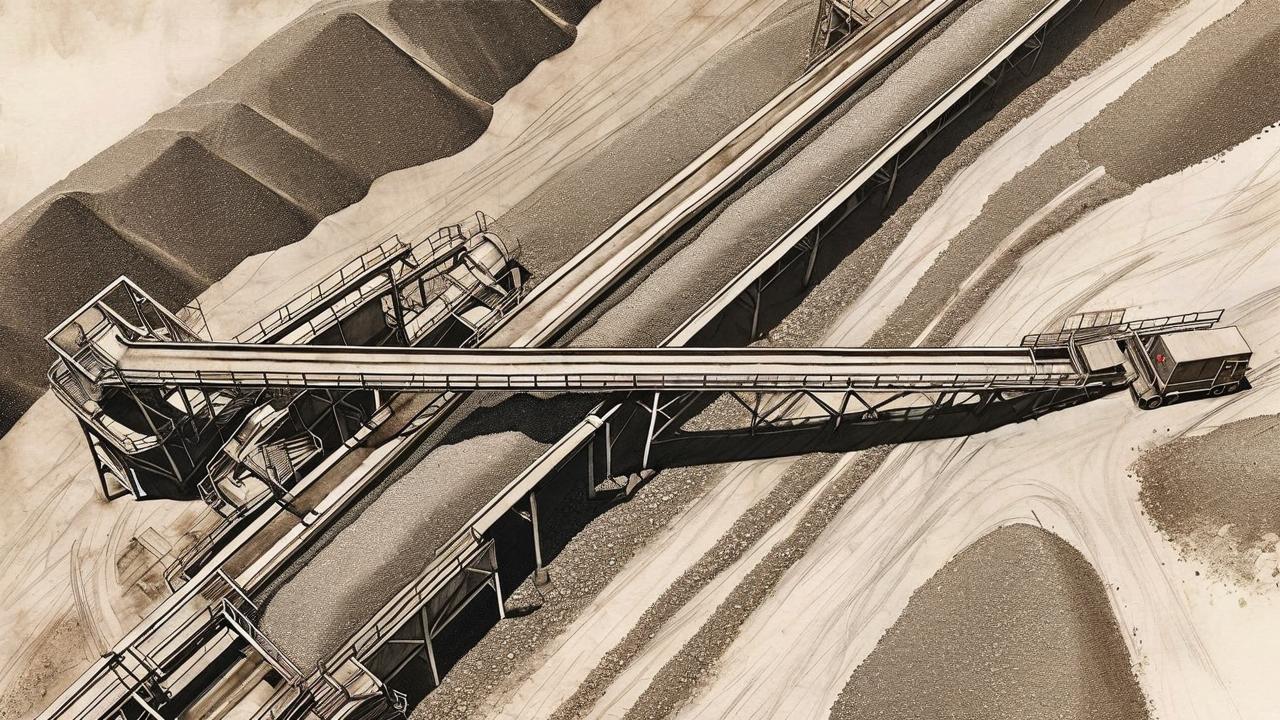
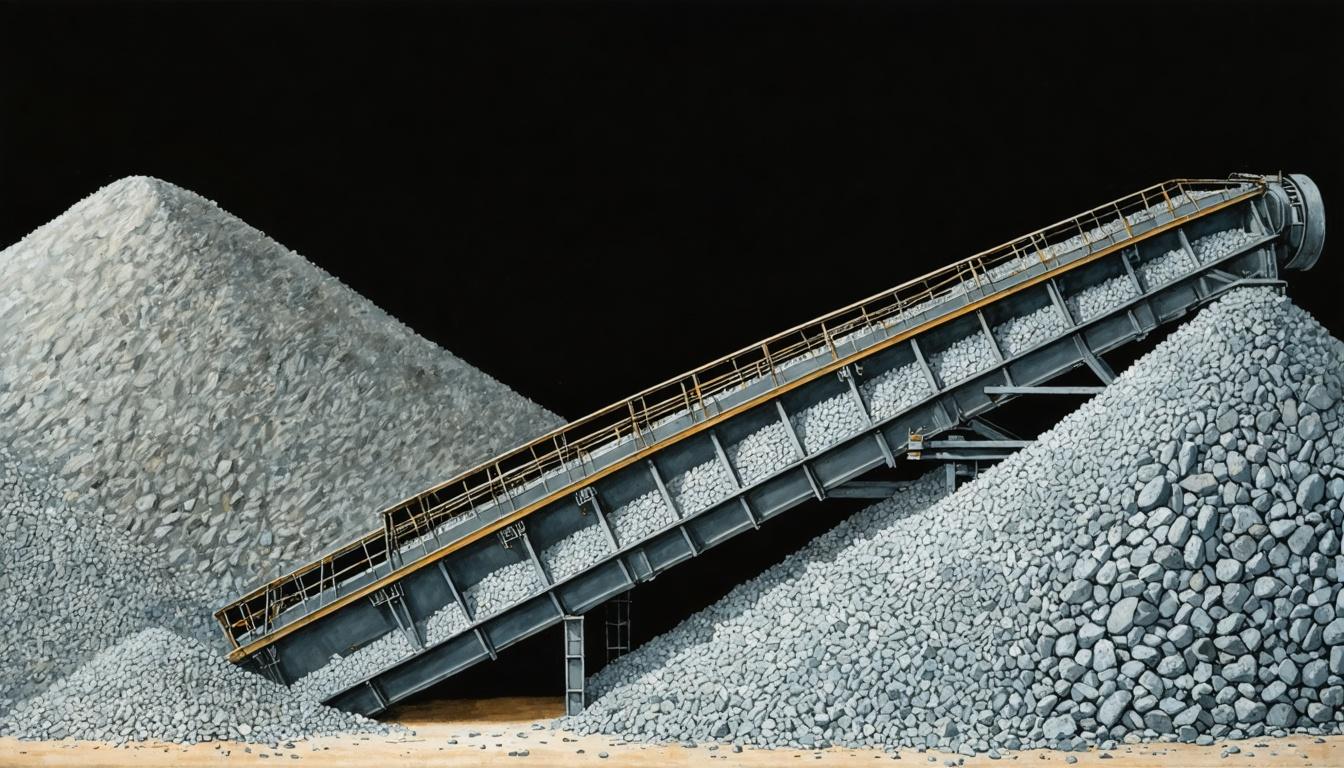
*this image is generated using AI for illustrative purposes only.
Knife River Holding (NYSE: KNF) reported a 13% year-over-year revenue increase for the second quarter of 2026, driven by strong operational execution and the conversion of a record backlog. The company raised its full-year revenue guidance to a range of $3.4 billion to $3.6 billion while maintaining its adjusted EBITDA outlook.
Financial Performance
Adjusted EBITDA increased by 7% year-over-year on a like-for-like basis, excluding gains from asset sales in both periods. On an as-reported basis, adjusted EBITDA remained flat due to higher energy costs, project timing shifts, and market dynamics affecting contracting services margins.
| Metric | Q2 2026 | Change |
|---|---|---|
| Revenue | Not specified | +13% YoY |
| Adjusted EBITDA (normalized) | Not specified | +7% YoY |
| Aggregate Volume Growth | Not specified | +14% YoY |
| Ready-Mix Volume Growth | Not specified | +15% YoY |
| Asphalt Volume Growth | Not specified | +24% YoY |
Segment Highlights
The materials product lines demonstrated double-digit volume growth across all segments. Aggregates saw a 14% volume increase, supported by internal demand from downstream product lines and third-party sales. Ready-mix volumes grew 15%, aided by the Texcrete acquisition, while asphalt volumes surged 24% due to increased paving activity in contracting services.
Gross profit improved double digits for aggregates, ready-mix, and asphalt. Aggregate pricing rose 8% on a product mix-adjusted basis, despite a reported increase of only 3% due to the sale of lower-priced natural fines. Ready-mix gross margins expanded by 80 basis points, and asphalt gross margins improved by 50 basis points.
What the Numbers Show
A significant divergence exists between reported aggregate pricing (3% increase) and product mix-adjusted pricing (8% increase). This gap is primarily attributed to the sale of 630,000 tons of lower-priced natural fines, which diluted consolidated pricing metrics. This indicates that underlying price optimization efforts are succeeding, but volume mix shifts are masking the true rate of price realization in reported figures.
Operational Headwinds
Management identified three primary external factors impacting as-reported adjusted EBITDA:
- Higher diesel prices drove an approximate $10 million cost increase, with only $4 million recovered through fuel surcharges in the quarter.
- Project timing shifts related to adverse weather and construction schedules impacted earnings by approximately $10 million.
- Market dynamics, specifically the type and timing of work in contracting services, reduced adjusted EBITDA by approximately $8 million compared to larger general contracting jobs performed in the prior year.
Outlook and Strategy
The company expects to recover additional energy costs through escalators on Department of Transportation contracts in the third quarter. Management anticipates diesel costs will remain elevated but expects to recover the majority of these increases. Strategic initiatives include price optimization, cost control measures, and acquisition-led growth, with 16 successful integrations completed since 2023. The firm remains committed to a disciplined capital allocation strategy, investing in both organic growth and acquisitions.

How will the expected recovery of diesel costs via DOT contract escalators in Q3 impact the margin trajectory for the contracting services segment?
Given the 24% surge in asphalt volumes, is Knife River positioned to sustain this growth rate as paving seasons normalize in subsequent quarters?
To what extent might the integration of the Texcrete acquisition continue to drive ready-mix volume and margin expansion beyond the initial Q2 bump?
 15
15







 Access Market Heat-map & Insights
  Create, Save & Share your Screener
  Use 200+ Screening Filters





