

Kirloskar Ferrous Q1FY27 net profit falls 65% to ₹82.32 crore on margin pressure


Kirloskar Ferrous Industries saw Q1FY27 net profit fall 65% to ₹82.32 crore due to margin pressure and exceptional items, despite revenue rising 4.3% to ₹1,771.51 crore. Strong volume growth in castings and steel offset declines in tubes, while input costs squeezed margins.

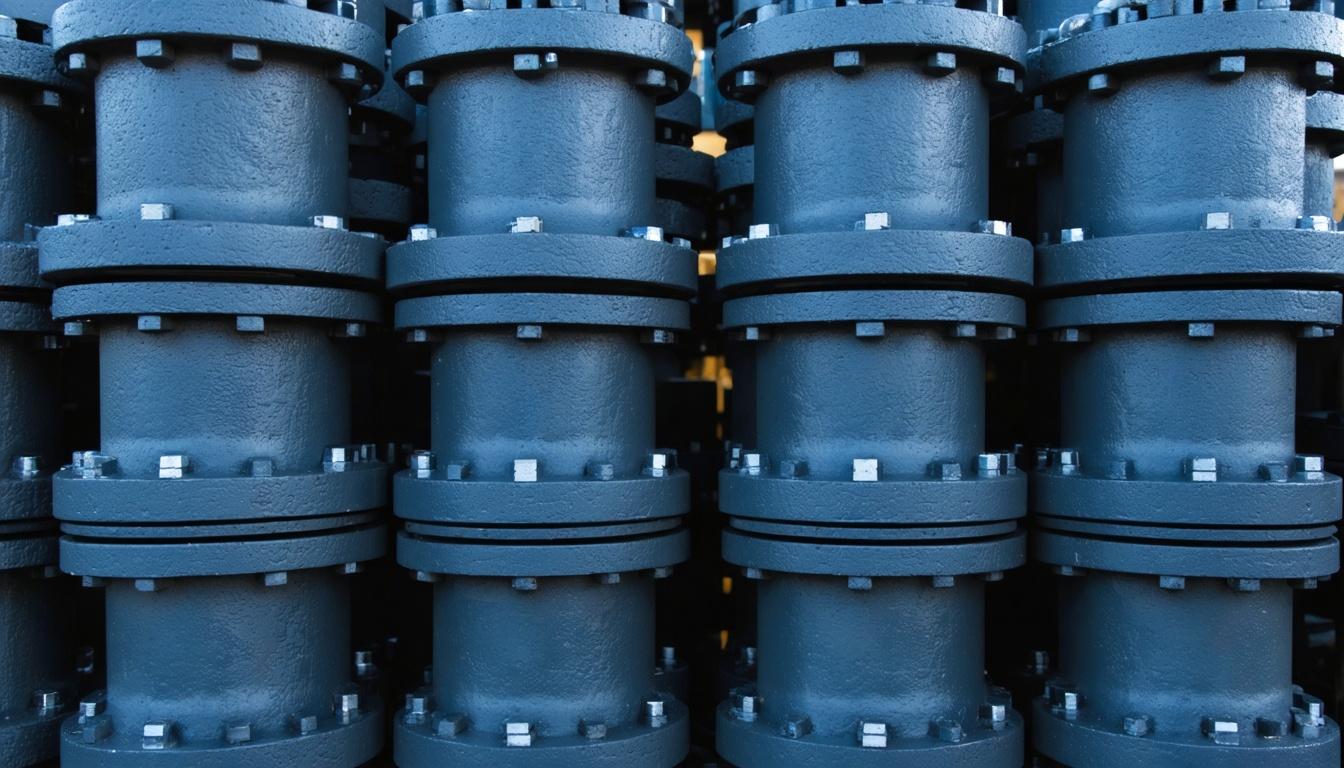

*this image is generated using AI for illustrative purposes only.
Kirloskar Ferrous Industries reported a 65% year-on-year decline in standalone net profit to ₹82.32 crore for the quarter ended June 30, 2026 (Q1FY27), despite a 4.3% rise in revenue from operations to ₹1,771.51 crore. The profit contraction was driven by operating margin compression from 12.77% to 10.52% and an exceptional item of ₹29.33 crore related to the merger of ISMT Limited. Consolidated net profit also fell 65% to ₹82.30 crore, reflecting similar headwinds across the group structure.
The Board of Directors, chaired by Managing Director R V Gurnaste, approved the unaudited financial results on August 5, 2026, pursuant to Regulation 30 of the SEBI (Listing Obligations and Disclosure Requirements) Regulations, 2015. The figures were subject to limited review by statutory auditors P G Bhagwat LLP and Kirtane & Pandit LLP. The company disclosed that previous year’s numbers have been restated following the merger of Oliver Engineering Private Limited and Adicca Energy Solutions Private Limited.
Financial Performance Highlights
| Metric: | Q1FY27 (₹ Cr) | Q1FY26 (₹ Cr) | Change: |
|---|---|---|---|
| Revenue from Operations: | 1,771.51 | 1,698.07 | +4.3% |
| EBITDA (before exceptional items): | 215.70 | 216.90 | -1.0% |
| EBITDA Margin: | 12.2% | 12.8% | -60 bps |
| Profit Before Tax (before exceptional items): | 134.40 | 127.20 | +6.0% |
| Net Profit After Tax: | 82.32 | 235.47 | -65.0% |
| EPS (Basic): | ₹4.99 | ₹14.30 | -65.1% |
Revenue growth was broad-based, with the casting segment contributing ₹1,192.09 crore and the steel segment rising to ₹493.83 crore from ₹358.76 crore. However, the tube segment declined slightly to ₹540.81 crore from ₹595.79 crore. Cost of materials consumed increased to ₹1,005.07 crore from ₹957.72 crore, outpacing revenue growth and squeezing operational efficiency. Other income rose to ₹17.43 crore from ₹8.46 crore year-ago.
Operational Resilience Amidst Headwinds
Managing Director R V Gurnaste attributed the revenue growth to strong momentum in castings and steel businesses, which saw volume growth of 18% and 13% respectively, driven by robust demand in automotive and precision engineering sectors. He noted headwinds from firm coking coal prices and planned moderation in the tubes segment. The company emphasized its strategic focus on cost leadership through green energy adoption and operational excellence. Looking ahead, management highlighted ongoing efficiency projects and capacity enhancements as key drivers for sustainable value creation.
What the Numbers Show
The divergence between revenue growth and profit contraction highlights structural margin erosion rather than one-off costs alone. While the ₹29.33 crore exceptional item reduced pre-tax profits, the core operating margin decline from 12.77% to 10.52% indicates persistent pressure from input inflation. Finance costs decreased slightly to ₹29.47 crore from ₹34.00 crore, suggesting effective debt management despite new commercial paper issuances. The debt-equity ratio improved marginally to 0.29 from 0.34, reflecting a strengthened balance sheet position even as working capital needs were funded through short-term instruments, including ₹200 crore raised via commercial papers during the quarter.
Historical Stock Returns for Kirloskar Ferrous Industries
| 1 Day | 5 Days | 1 Month | 6 Months | 1 Year | 5 Years |
|---|---|---|---|---|---|
| -1.28% | -1.53% | -0.26% | 0.0% | 0.0% | +76.08% |

How will the planned moderation in the tubes segment impact Kirloskar Ferrous Industries' overall revenue mix and profitability in subsequent quarters?
What specific operational efficiency projects is the company prioritizing to reverse the 60-basis point decline in EBITDA margins amidst rising coking coal prices?
To what extent will the integration of ISMT Limited contribute to long-term cost synergies and revenue growth beyond the initial merger-related exceptional costs?
 20
20




 Access Market Heat-map & Insights
  Create, Save & Share your Screener
  Use 200+ Screening Filters





