

Kaiser Aluminum Q2FY26 Results: Conversion revenue rises 17%, EBITDA jumps 151%


- Conversion revenue rose 17% YoY to $437 million, driven by broad-based demand growth
- Adjusted EBITDA surged 151% to $166 million, aided by $27 million in metal lag gains
- Packaging segment led growth with 34% revenue increase due to coated product mix shift
- Net debt leverage ratio improved to 2.1 times, within the targeted 2-2.5x range
- Full-year guidance projects 45-55% EBITDA growth and high-end revenue expansion

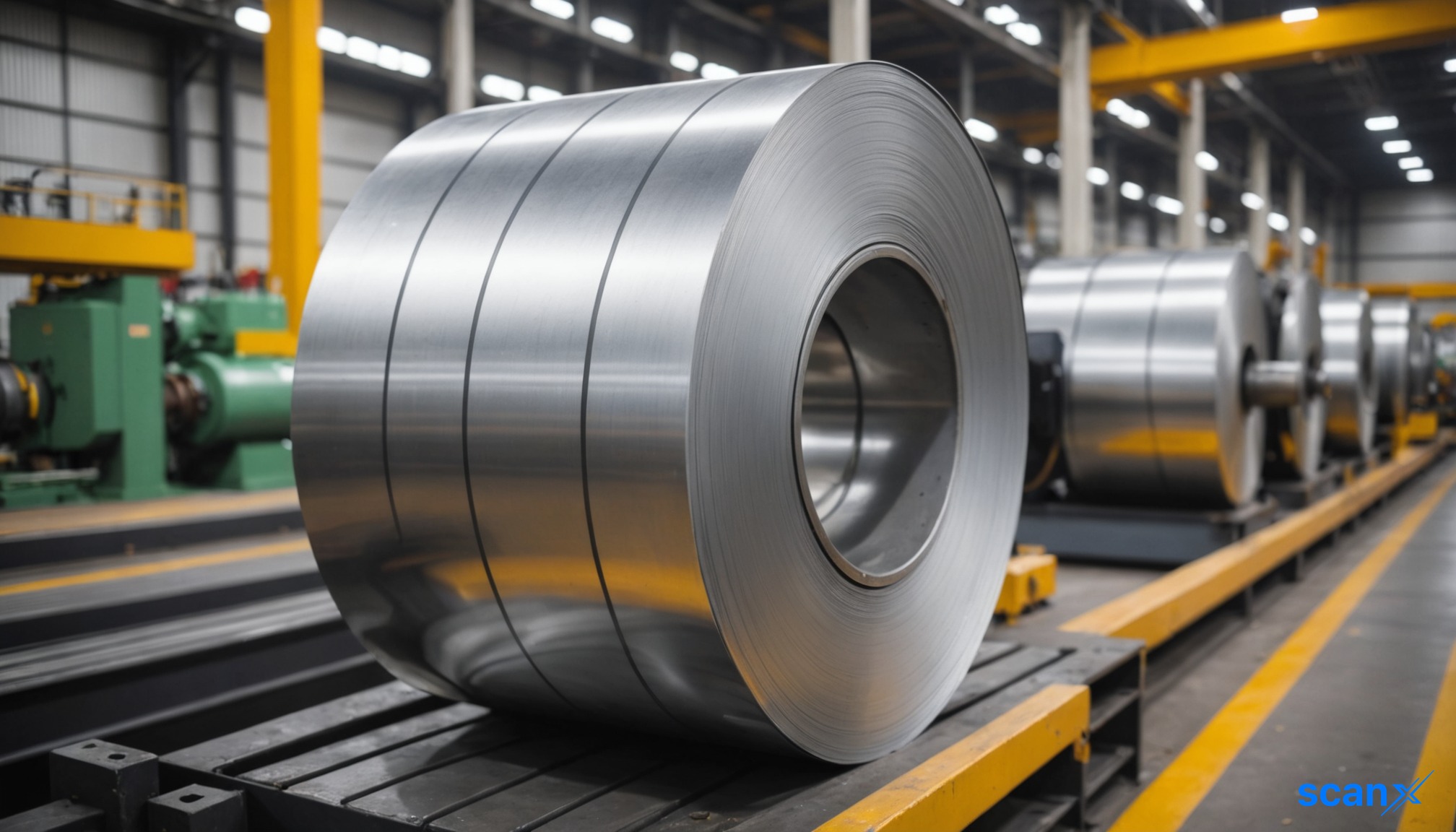

*this image is generated using AI for illustrative purposes only.
Kaiser Aluminum (NASDAQ: KALU) delivered a record second quarter for FY26, reporting $437 million in conversion revenue, a 17% increase year over year. The company’s adjusted EBITDA rose sharply to $166 million, significantly exceeding expectations due to robust demand across key end markets and favorable metal dynamics.
Financial Performance
The company’s operational strength translated into substantial profit growth. Reported operating income climbed to $134 million from $38 million in the prior-year period. After adjusting for non-run-rate charges, adjusted operating income reached $137 million. Net income per diluted share stood at $5.72, compared to $1.41 in the same quarter last year.
| Metric | Q2FY26 | Q2FY25 | Change |
|---|---|---|---|
| Conversion Revenue | $437 million | $374 million | +17% |
| Adjusted EBITDA | $166 million | $67 million | +151% |
| Operating Income | $134 million | $38 million | +253% |
| Net Income (Diluted EPS) | $97 million ($5.72) | $23 million ($1.41) | +323% |
Segment Highlights
Demand accelerated across most segments, with packaging leading the growth trajectory. Packaging conversion revenue jumped 34% to $174 million, driven by a mix shift toward higher-value coated products at the Warwick operation. Aerospace and high-strength revenue grew 7% to $136 million, supported by rising commercial build rates and defense demand. General engineering revenue increased 12% to $96 million, benefiting from inventory restocking and semiconductor-related demand. Automotive revenue remained flat at $32 million despite an 11% drop in shipments, as the company focused on higher-value applications.
What the Numbers Show
A significant portion of the EBITDA expansion was driven by non-operational metal tailwinds rather than pure operational leverage. While pricing, shipments, and mix contributed $41 million to the improvement, the remaining $58 million gain stemmed from favorable metal dynamics, including scrap spreads and a $27 million metal lag gain. This divergence highlights that while underlying demand is strong, the exceptional profitability in Q2 was partially amplified by temporary market conditions that management expects to normalize in the second half.
Balance Sheet and Outlook
Kaiser Aluminum generated $35 million in free cash flow during the quarter. The company’s liquidity position strengthened to $628 million, comprising $59 million in cash and $570 million in borrowing availability. The net debt leverage ratio improved to 2.1 times, aligning with its targeted range of 2 to 2.5 times.
Looking ahead, management projects full-year conversion revenue growth near the high end of the 10% to 15% range. Adjusted EBITDA is expected to increase between 45% and 55% year over year, assuming stable aluminum prices and normal seasonal factors. The Board declared a quarterly dividend of $0.77 per share on July 13, reflecting confidence in long-term earnings power.

How will the normalization of metal tailwinds in the second half impact Kaiser Aluminum's ability to sustain its projected 45-55% EBITDA growth?
What specific strategies is Kaiser Aluminum employing to offset the 11% drop in automotive shipments while maintaining flat revenue through higher-value applications?
Could the significant shift toward higher-value coated products at the Warwick operation signal a long-term structural change in the packaging segment's margin profile?
 16
16






 Access Market Heat-map & Insights
  Create, Save & Share your Screener
  Use 200+ Screening Filters





