

JK Tyre & Industries Ltd reports BRSR for FY 2025-26


JK Tyre & Industries Ltd released its Business Responsibility and Sustainability Report for FY 2025-26, disclosing ESG performance and operational metrics. The company reported a total workforce of 17,917 and achieved Zero Liquid Discharge across all manufacturing facilities. The report outlines the company's commitment to reducing carbon emission intensity by 50% by 2030 and achieving net zero by 2050.


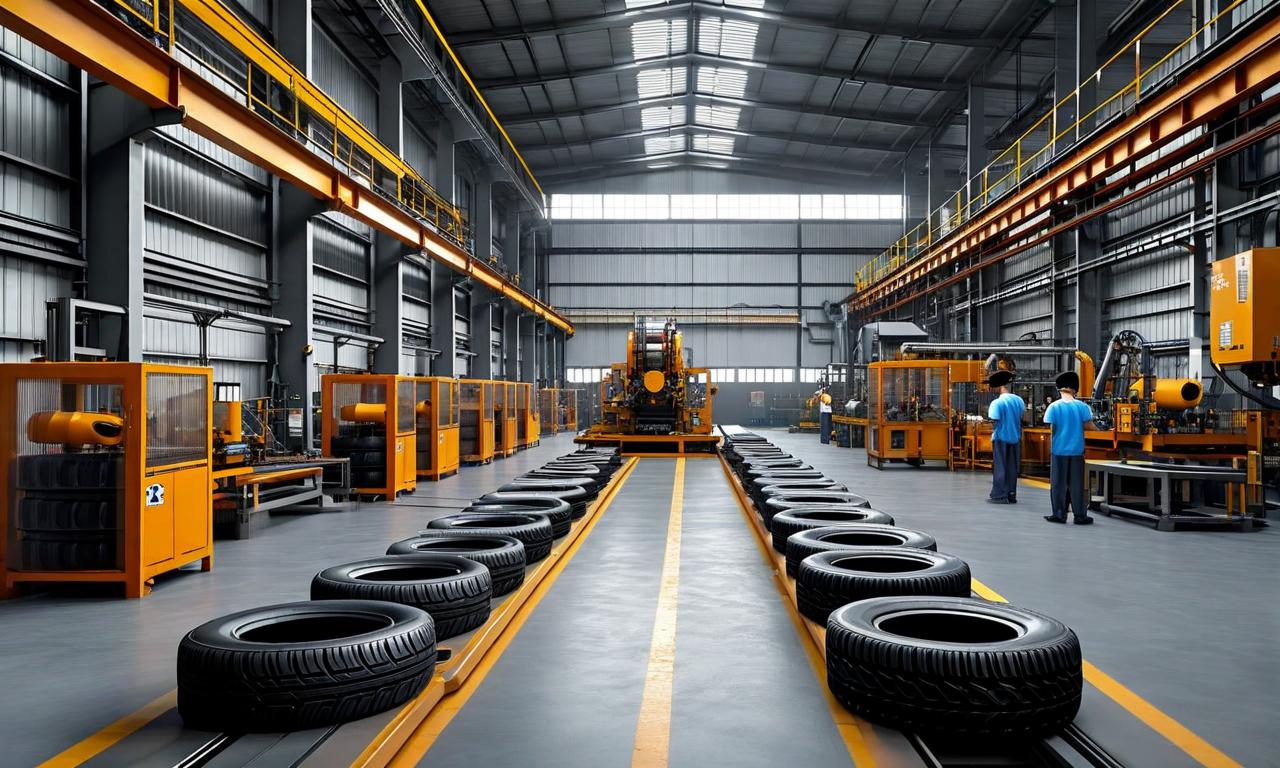
*this image is generated using AI for illustrative purposes only.
JK Tyre & Industries Ltd has released its Business Responsibility and Sustainability Report (BRSR) for the financial year 2025-26, disclosing its environmental, social, and governance performance alongside operational metrics. The company, which operates 11 manufacturing plants nationally and internationally, reported a total workforce of 17,917, comprising 2,603 employees and 15,314 workers. The report highlights the company's sustainability initiatives, including its commitment to reducing carbon emission intensity by 50% by 2030 and achieving net zero by 2050.
The company’s operations are primarily focused on the manufacturing and sale of automotive tyres, tubes, and flaps, which accounted for 100% of its turnover. JK Tyre serves 29 states across India and exports to over 100 countries, with exports contributing 11.93% to the total turnover. The report notes that the figures for FY 2025-26 reflect the operations of the merged entity following the Scheme of Amalgamation of Cavendish Industries Ltd., effective December 22, 2025.
Environmental Performance
JK Tyre has implemented Zero Liquid Discharge (ZLD) systems across all its manufacturing facilities. The company reported specific energy consumption and greenhouse gas emissions data, verified by BSI India. Key environmental projects undertaken during the year included condensate recovery for fuel efficiency, thermal insulation in the curing process, and the installation of variable frequency drives to optimize power consumption. The company also commissioned biomass-feeding systems in process boilers at two locations to substitute fossil coal.
Social and Governance Metrics
The report provides detailed statistics on the company's workforce. Women comprised 2.61% of the total employees and 3.21% of the total workers. The Board of Directors included 2 female members out of 10, representing 20% representation. The company reported that 100% of permanent employees and other-than-permanent employees were covered by health and accident insurance. For workers, 79.67% of permanent workers and 100% of other-than-permanent workers were covered by health insurance.
Key Workforce Statistics
| Category | Total | Male | Female |
|---|---|---|---|
| Total Employees | 2,603 | 2,535 | 68 |
| Total Workers | 15,314 | 14,823 | 491 |
| Differently Abled Employees | 1 | 1 | 0 |
| Differently Abled Workers | 8 | 8 | 0 |
The Corporate Social Responsibility and Sustainability Committee of the Board, chaired by Dr. Raghupati Singhania, oversees the implementation of business responsibility policies. The company has identified material issues such as emissions, energy management, and water security, and has set targets aligned with the Science Based Targets initiative (SBTi). The report also confirms that the company has not been involved in any material fines or penalties during the financial year, aside from a pending legal matter regarding a Competition Commission of India order from 2018.
Historical Stock Returns for JK Tyre & Industries
| 1 Day | 5 Days | 1 Month | 6 Months | 1 Year | 5 Years |
|---|---|---|---|---|---|
| -1.92% | -4.22% | -10.49% | -10.65% | -4.84% | +126.30% |

How will the integration of Cavendish Industries Ltd. impact JK Tyre's ability to meet its 2030 carbon intensity reduction targets?
What specific capital expenditures are planned to transition the remaining facilities away from fossil coal following the biomass pilot projects?
Is JK Tyre considering strategic partnerships or technology investments to significantly improve female workforce participation beyond the current 3%?
 15
15









 Create Custom Screeners
  Access 200+ Pre-built Filters
  Use 50+ Readymade Screener





