Jindal Stainless' Hisar Plant Achieves Zero Waste to Landfill Certification with Platinum+ Rating for FY25

2 min read     Updated on 12 May 2026, 08:25 AM
scanx
Reviewed by
Shriram SScanX News Team
AI Summary

Jindal Stainless' Hisar plant has been awarded the Zero Waste to Landfill certification with a Platinum+ rating for FY 2024-25, achieving a 99.99% waste diversion rate as verified by Bureau Veritas India Pvt. Ltd using mass balance methodology. The Platinum+ rating is the highest level under the ZWTL framework, underscoring the facility's commitment to circular economy principles and responsible industrial operations.

powered bylight_fuzz_icon
40037863

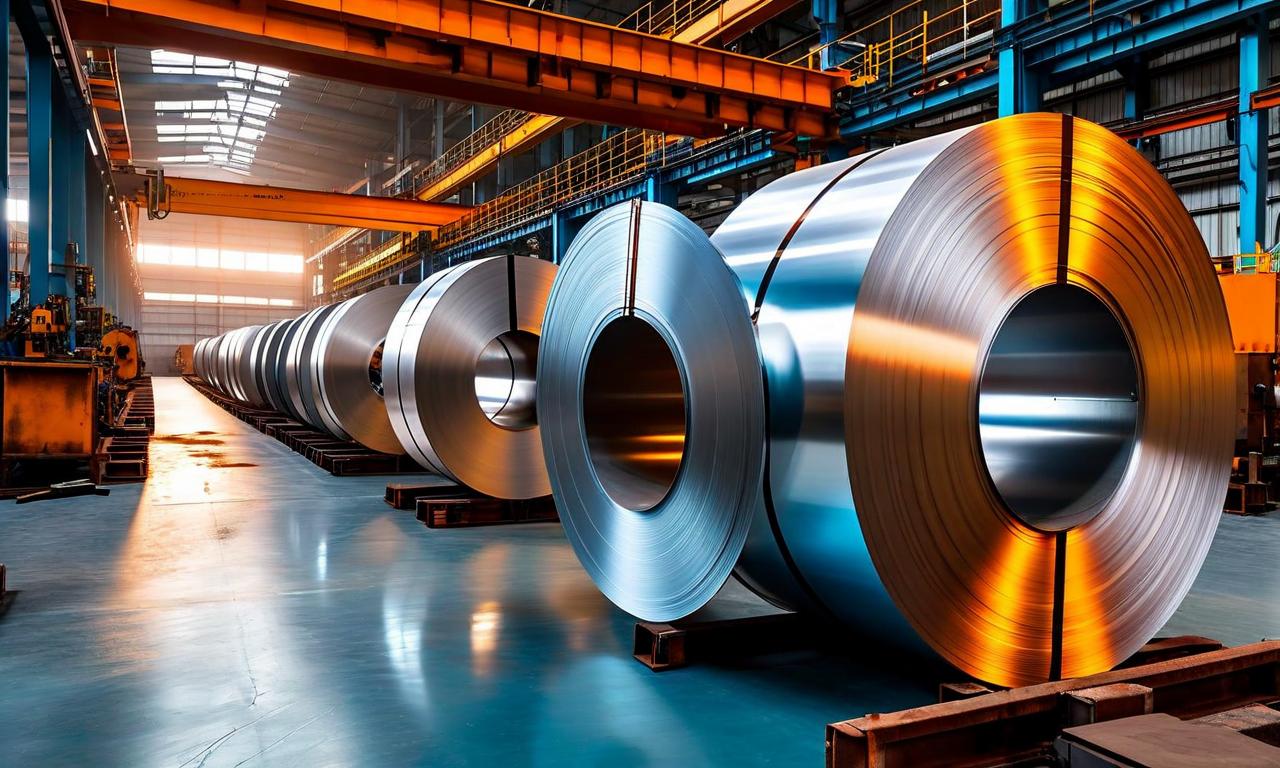
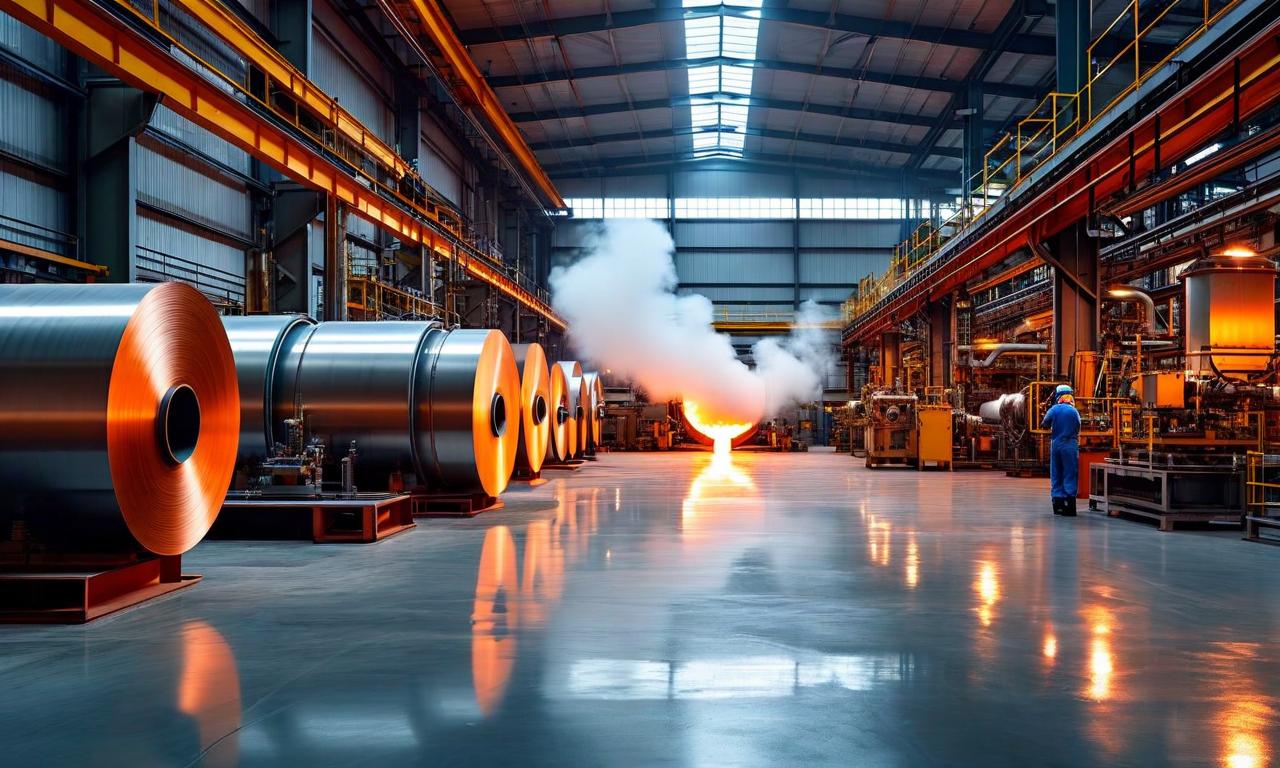
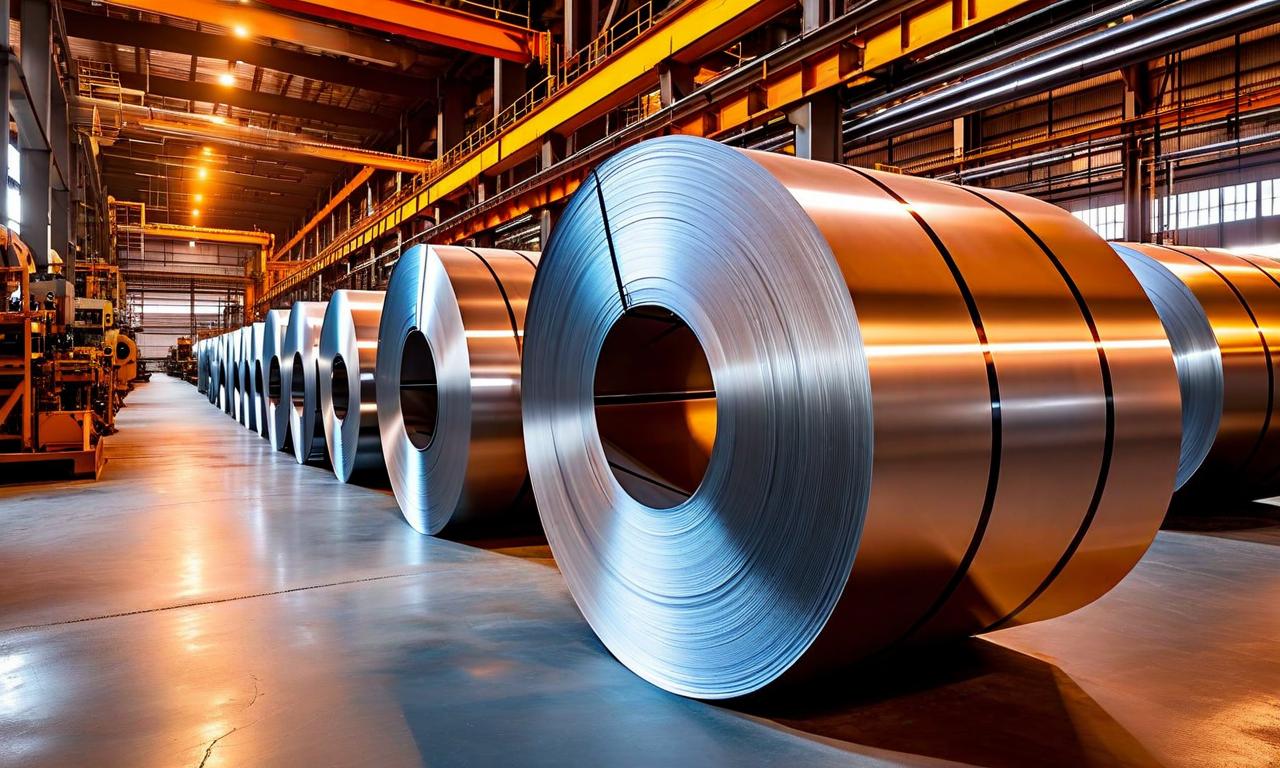
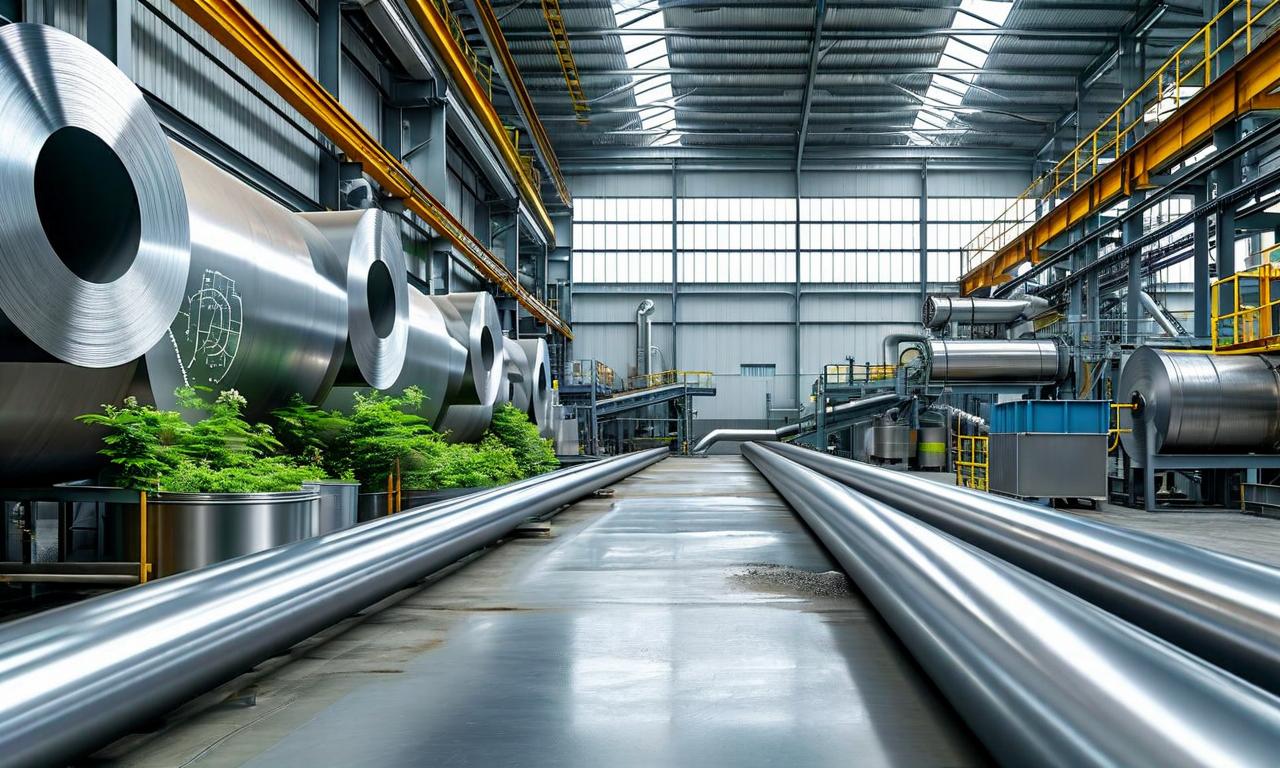
*this image is generated using AI for illustrative purposes only.

Jindal Stainless ' Hisar manufacturing plant has been awarded the Zero Waste to Landfill (ZWTL) certification with a Platinum+ rating, reinforcing the company's commitment to environmental responsibility and sustainable manufacturing. The certification was verified by Bureau Veritas India Pvt. Ltd and covers the reporting period of FY 2024-25. This recognition highlights the Hisar unit's robust waste management framework and its efforts towards strengthening waste segregation, minimising landfill disposal, and embedding sustainable waste management practices across the facility.

Key Highlights of the Certification

The following table summarises the key parameters of the Zero Waste to Landfill certification achieved by the Hisar plant:

Parameter: Details
Certification: Zero Waste to Landfill (ZWTL)
Rating: Platinum+
Reporting Period: FY 2024-25
Waste Diversion Rate: 99.99%
Verification Body: Bureau Veritas India Pvt. Ltd
Assessment Methodology: Mass Balance

The Platinum+ rating represents the highest level of performance under the ZWTL framework, reserved for organisations achieving near-total waste diversion. The assessment conducted as per mass balance methodology acknowledges the unit's strong alignment with circular economy principles and its ongoing commitment to responsible industrial operations.

Leadership Perspectives

Managing Director of Jindal Stainless, Mr. Abhyuday Jindal, commented on the achievement: "At Jindal Stainless, responsible manufacturing is a core business imperative shaping the way we operate and grow. This certification reflects our long-term commitment to aligning operational excellence with environmental responsibility. Achievements such as this further strengthen our resolve to build globally competitive, resource-efficient, and future-ready manufacturing ecosystems."

Unit Head – Hisar, Mr. Vijay Bindlish, added: "Achieving a 99.99% waste diversion rate is a significant milestone for the Hisar plant, reflecting our teams' sustained focus on operational excellence and responsible manufacturing. The Platinum+ certification further encourages us to drive higher efficiencies and advance environmentally conscious practices across our operations."

About the Zero Waste to Landfill Framework

The Zero Waste to Landfill certification is a globally recognised benchmark that evaluates how effectively an organisation eliminates landfill disposal through reduction, reuse, recycling, and recovery initiatives. Achieving a 99.99% waste diversion rate means that nearly all waste generated at the Hisar facility was effectively channelled away from landfill during FY 2024-25, with only negligible quantities disposed of through landfill routes.

About Jindal Stainless

India's leading stainless steel manufacturer, Jindal Stainless had an annual turnover of INR 42,955 crore (USD 4.86 billion) in FY26 and is ramping up its facilities to reach 4.2 million tonnes of annual melt capacity in FY27. The company operates 16 stainless steel manufacturing and processing facilities in India and abroad, including in Spain and Indonesia, and maintains a worldwide network across 12 countries, as of March 2026. In India, the company has ten sales offices and six service centres, as of March 2026.

The company's product range includes:

  • Stainless steel slabs, blooms, coils, plates, and sheets
  • Precision strips, wire rods, rebars, blade steel, and coin blanks

Founded in 1970, Jindal Stainless relies on integrated operations to enhance cost competitiveness and operational efficiency. The company manufactures stainless steel using an electric arc furnace, a process that significantly reduces greenhouse gas emissions and allows for the recyclability of scrap without compromising on quality.

Historical Stock Returns for Jindal Stainless

1 Day5 Days1 Month6 Months1 Year5 Years
-0.94%-6.95%-7.12%-0.41%+18.89%+655.86%

Will Jindal Stainless pursue ZWTL Platinum+ certification for its other 15 manufacturing facilities in India, Spain, and Indonesia, and what timeline can be expected?

How might this certification influence Jindal Stainless's ability to attract ESG-focused institutional investors or secure green financing as it ramps up to 4.2 million tonnes capacity in FY27?

Could the waste management practices demonstrated at the Hisar plant translate into measurable cost savings or competitive pricing advantages in the stainless steel market?

Jindal Stainless FY26 PAT Rises 27% to ₹3,185 Crore; FY27 EBITDA Guided at ₹18,000–₹20,000/Tonne

8 min read     Updated on 10 May 2026, 02:37 AM
scanx
Reviewed by
Suketu GScanX News Team
AI Summary

Jindal Stainless reported FY26 consolidated revenue of ₹42,954.66 crore and PAT of ₹3,184.57 crore, up 27% YoY, with Q4 consolidated PAT rising 41.4% to ₹843 crore and EBITDA margin expanding to 12.83%. The company guided for 7-9% volume growth and ₹18,000-₹20,000 EBITDA per tonne for H1 FY27, with FY27 capex of ₹2,600 crore and a long-term target of 3.5 MTPA by FY29, supported by the commissioned 1.2 MTPA Indonesian melt shop and ongoing downstream expansion in India.

powered bylight_fuzz_icon
39449251

*this image is generated using AI for illustrative purposes only.

Jindal Stainless Limited announced its audited financial results for the financial year ended 31 March 2026 following a Board meeting held on 4 May 2026. The company reported standalone revenue from operations of ₹42,680.22 crore for the year, compared to ₹40,181.68 crore in the previous year. On a consolidated basis, revenue from operations stood at ₹42,954.66 crore, up from ₹39,312.21 crore in FY25. The company recorded finished goods sales volume of 25,65,902 tonnes, registering a year-on-year growth of 8.1%. Sales composition for FY26 was 92% domestic and 8% export, while Q4 FY26 stood at 93% domestic and 7% export. Walker Chandiok & Co LLP and Lodha & Co LLP, the joint statutory auditors, issued an unmodified opinion on both the standalone and consolidated audited financial results for the year ended 31 March 2026.

The Board recommended a final dividend of ₹3 per equity share for the financial year ended 31 March 2026, subject to shareholder approval at the upcoming 46th Annual General Meeting. This is in addition to the interim dividend of ₹1 per equity share paid during the year, bringing the total dividend for FY26 to ₹4 per equity share, representing 200% of the face value of ₹2 each. The final dividend payout is expected to aggregate approximately ₹247.33 crore. The consolidated net debt-to-equity ratio improved to 0.15 from 0.24 in the previous year, while Net Debt/EBITDA improved to 0.55 from 0.86.

Financial Performance

For the quarter ended 31 March 2026, the standalone profit after tax stood at ₹891.57 crore, while the full-year standalone profit after tax reached ₹2,842.95 crore. On a consolidated basis, profit after tax for the quarter was ₹834.21 crore, with the full-year consolidated profit after tax at ₹3,184.57 crore. The basic earnings per share (EPS) for the year stood at ₹34.51 on a standalone basis and ₹38.76 on a consolidated basis.

Financial Metric: Standalone FY26 (₹ crore) Standalone FY25 (₹ crore) Consolidated FY26 (₹ crore) Consolidated FY25 (₹ crore)
Revenue from operations 42,680.22 40,181.68 42,954.66 39,312.21
Total income 43,112.15 40,820.86 43,306.14 39,603.06
Total expenses 39,532.47 37,453.23 39,022.46 36,213.34
Profit for the period 2,842.95 2,711.19 3,184.57 2,499.72
Basic EPS (₹) 34.51 32.92 38.76 30.42

Q4 FY26 Performance

During Q4 FY26, the company's finished goods standalone sales volume stood at 6,41,743 tonnes. At a consolidated level, the Q4 net revenue was ₹11,330 crore, up 11.2% year-on-year. EBITDA increased to ₹1,454 crore, with the EBITDA margin expanding to 12.83% from 10.4% in the same quarter of the previous year. Consolidated net profit for Q4 stood at ₹843 crore, up 41.4% year-on-year. The consolidated net debt stood at ₹3,040 crore.

Particular: Consolidated Q4 FY26 Consolidated Q3 FY26 Change (Q-o-Q) Consolidated Q4 FY25 Change (Y-o-Y)
Net revenue (₹ crore) 11,330 10,518 7.8% 10,198 11.2%
EBITDA (₹ crore) 1,454 1,408 3.3% 1,061 37.1%
EBITDA margin (%) 12.83% — — 10.4% —
PAT (₹ crore) 843 828 0.8% 590 41.4%

Balance Sheet and Cash Flows

The standalone total assets as at 31 March 2026 stood at ₹34,967.19 crore, compared to ₹33,009.67 crore in the previous year. Consolidated total assets increased to ₹40,703.62 crore from ₹36,158.05 crore. Net worth on a standalone basis was ₹18,867.21 crore, while consolidated net worth reached ₹19,791.28 crore. Cash and cash equivalents at the end of the year stood at ₹219 crore on a standalone basis and ₹415.12 crore on a consolidated basis. The company reported a net decrease in cash and cash equivalents of ₹295.42 crore in standalone operations and ₹222.86 crore in consolidated operations for the year.

External Debt & Key Ratios

The following tables present the consolidated borrowings profile and key financial ratios as at the reporting dates.

Borrowings (Consolidated): As on March 2026 As on March 2025 As on March 2024
Long term debt 4,776 5,169 5,222
Short term debt 1,466 1,107 704
Total Debt 6,242 6,275 5,926
Cash & Bank balances 3,203 2,284 1,992
Net Debt 3,040 3,991 3,934
Ratio: Mar'25 Mar'26
Net Debt/Equity 0.24 0.15
Net Debt/EBITDA 0.86 0.55

Long term debt ratings AA/Positive & Short term debt ratings A1+.

Management Commentary & FY27 Guidance

At the Q4 FY26 earnings conference call held on 5 May 2026, Managing Director Abhyuday Jindal and CEO & CFO Tarun Khulbe outlined the company's near-term outlook. Management guided for volume growth of 7% to 9% for FY27, with EBITDA per tonne guidance of ₹18,000 to ₹20,000 for H1 FY27, factoring in elevated energy costs arising from geopolitical disruptions in West Asia. The guidance is expected to be reviewed at the end of H1 FY27 based on prevailing conditions. For FY27, the capex guidance was set at approximately ₹2,600 crore. Management also indicated that export volumes are expected to constitute 8% to 10% of the expanded total volume in FY27, with continued focus on markets such as Japan, Korea, Taiwan, and Germany.

FY27 Guidance Parameter: Details
Volume growth 7% to 9% year-on-year
EBITDA per tonne (H1 FY27) ₹18,000 to ₹20,000
Capex (FY27) ~₹2,600 crore
Export share (target) 8% to 10% of total volume
Long-term volume target 3.5 million tonnes per annum by FY29

Capacity Expansion & Operational Developments

The 1.2 million tonnes per annum stainless steel melt shop in Indonesia, commissioned ahead of schedule through the company's joint venture, takes total melting capacity to 4.2 MTPA, including 3 MTPA in India. Management indicated that the Indonesian facility is expected to ramp up to 70% to 80% of capacity during FY27, with slabs intended to be brought to India for downstream processing. Downstream expansion projects in India are advancing as planned, including the upcoming commissioning of a 1.1 million tonnes per annum HRAP line and a 0.17 million tonnes per annum CRAP line at Jajpur. An additional ₹900 crore commitment was announced towards augmenting cold rolling capacities at Hisar and Kharagpur, with CRAP capacity targeted at 2.67 million tonnes per annum by FY28.

Jindal Stainless Steelway Limited, a subsidiary, commenced operations at its first stainless steel fabrication facility in Patalganga near Mumbai, built with an initial investment of approximately ₹125 crore. Land acquisition for the proposed Maharashtra greenfield facility is currently underway, with downstream capacity planned to be commissioned first, followed by upstream. On the energy front, the company is diversifying fuel sources across its Jajpur, Hisar, and Ghaziabad plants, including a shift towards natural gas, coal gasification, syngas, and green hydrogen, following disruptions in LPG and propane availability. A 600 cubic metre green hydrogen plant at Jajpur is expected to be operational by June–July, with Hisar capacity also set to be expanded.

Product Mix & Series Composition

Management highlighted a gradual shift in product mix, with the 400 series increasing from 17% in FY25 to 18% in FY26, and further to 19% in Q4 FY26. The 400 series is expected to continue growing as automotive and infrastructure demand picks up. The product series composition for Q4 FY26 and FY26 is presented below.

Series Composition: Q4 FY26 FY26 FY25
200 series 38% 37% —
300 series 43% 46% —
400 series 19% 18% 17%

Key Developments

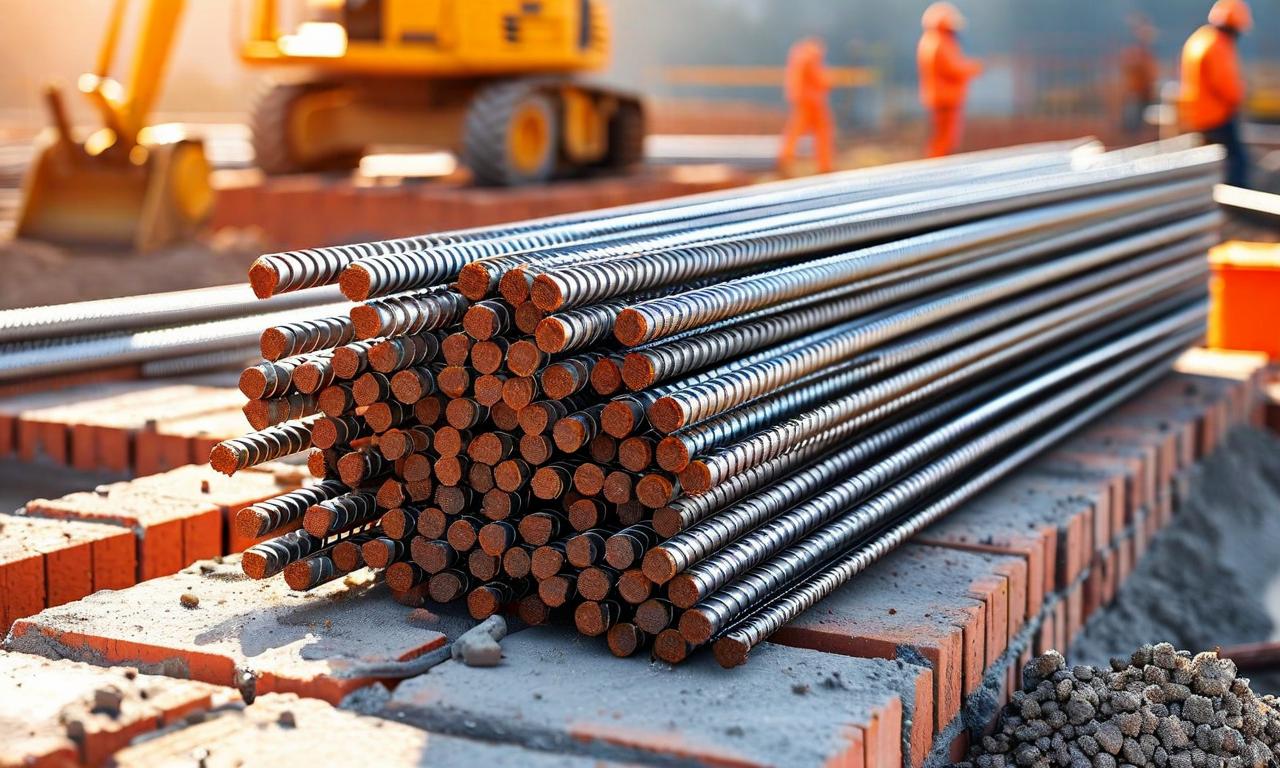
The company made the retail debut of 'Jindal Infinity', its stainless steel rebars, in Amritsar, Punjab, and partnered with Indian Railways to develop India's first stainless steel salt container. The partial commissioning of a 315.6 MW solar-wind hybrid power project in collaboration with Oyster Renewable Energy Pvt. Ltd. was announced. The share of renewable power as a percentage of total imported power utilised across Jajpur and Hisar facilities increased to 46.8%, up 82% from FY25. The Hisar unit achieved Zero Waste to Landfill certification with a Platinum+ rating. The company also onboarded Ranveer Singh as its first-ever brand ambassador and associated with Sunrisers Hyderabad as part of a brand-building initiative. Jindal Stainless achieved an EcoVadis score of 71 out of 100 in Q4 FY26 with bronze medal recognition.

Raw Material Price Trends

Nickel prices (USD/MT) averaged 17,356 in Q4 FY26, recovering from a low of 14,892 in Q3 FY26. Ferrochrome prices (INR/MT) recovered to 1,16,800 in Q4 FY26 from a low of 99,742 in Q4 FY25. Management noted that energy-related input costs, including propane, LPG, natural gas, and ammonia, increased approximately 2.5x to 3x due to geopolitical disruptions in West Asia.

Sector Outlook

The Railways segment witnessed healthy coach demand in Q4 FY26, driven by Vande Bharat sleeper trainsets, Metro and Indian Railways' shift from ferritic to austenitic stainless steel. Infrastructure sector saw rising stainless steel usage in flyovers, ROBs, and FOBs. Lift and elevator demand remained strong. Process Industry sectors including Oil & Gas, Power, and Water continued steady demand, with emerging applications in Chemicals & Fertilizers, Hydroelectric projects, Dairy segment, and Thermal Power Plants. Automobiles domestic market demand remained resilient. Pipes & Tubes sector witnessed positive demand in Q4 FY26 with a positive domestic demand outlook for FY27. Management also noted that demand for stainless steel in metro coach manufacturing is expected to witness a jump of 2x to 3x over the next 3 to 4 years.

Shareholding Pattern

Category: Sub-category Percentage
Promoters Promoters 62.0%
Other FII 20.9%
DII 7.2%
Retails & others 9.9%

Historical Stock Returns for Jindal Stainless

1 Day5 Days1 Month6 Months1 Year5 Years
-0.94%-6.95%-7.12%-0.41%+18.89%+655.86%

How might the escalation or resolution of geopolitical tensions in West Asia impact Jindal Stainless's energy cost trajectory and EBITDA per tonne guidance for H2 FY27?

As the Indonesian JV melt shop ramps up to 70-80% capacity in FY27, what logistical and cost challenges could arise from transporting slabs to India for downstream processing, and how might this affect margins?

With metro coach stainless steel demand projected to grow 2x-3x over the next 3-4 years, how well-positioned is Jindal Stainless to capture this opportunity relative to domestic and international competitors?

More News on Jindal Stainless

1 Year Returns:+18.89%