

Jindal Stainless Partly Starts 315.6 MW Solar-Wind Hybrid Project Across Two States


Jindal Stainless Limited has achieved a major sustainability milestone through the part commissioning of a 315.6 MW solar-wind hybrid renewable energy project developed in partnership with Oyster Renewable Energy. The project, spanning across Madhya Pradesh and Gujarat with a total investment exceeding ₹2,000 crore, combines bifacial solar modules and Suzlon wind turbines to deliver stable renewable energy for industrial consumption while reducing carbon emissions by 6.5 lakh metric tonnes annually.


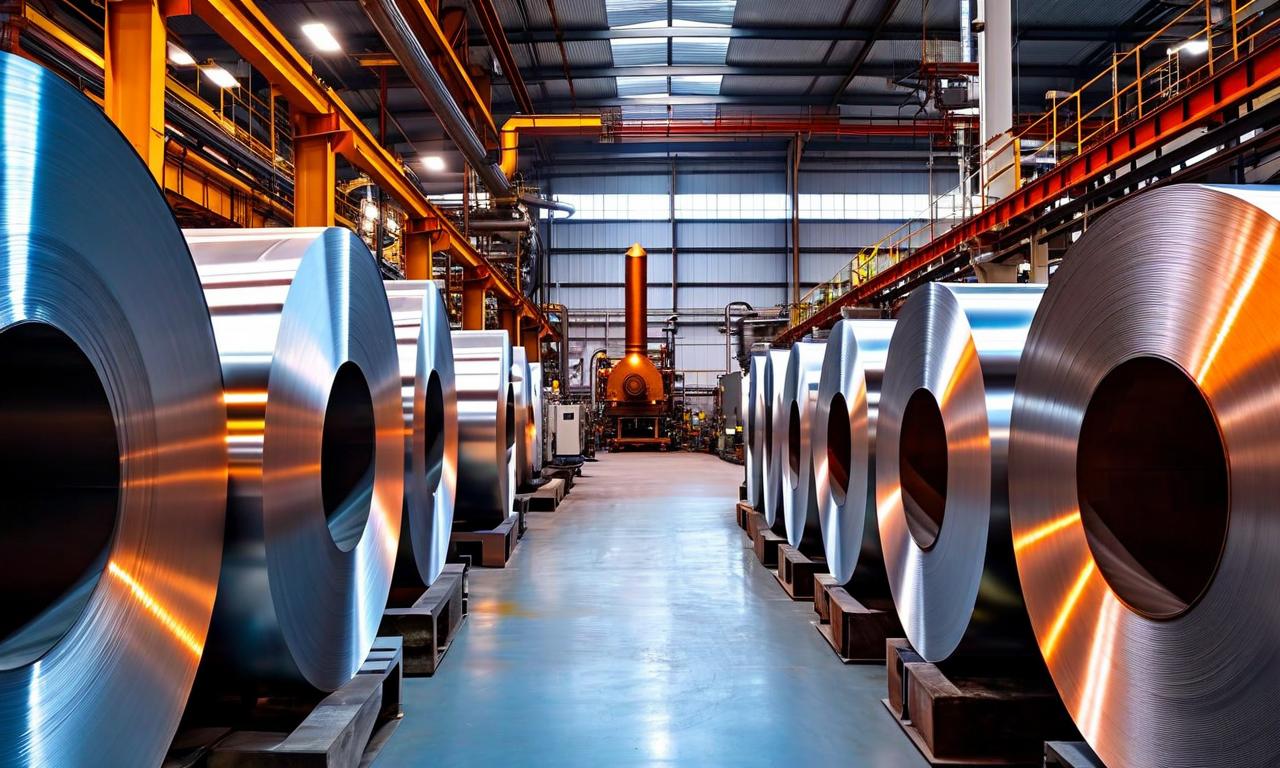
*this image is generated using AI for illustrative purposes only.
Jindal Stainless Limited, India's leading stainless steel manufacturer, has achieved a significant milestone in its sustainability journey with the part commissioning of a major hybrid renewable energy project. The company, in partnership with Oyster Renewable Energy Pvt Ltd, announced the commissioning of a 315.6 MW solar-wind hybrid renewable energy project spanning across Madhya Pradesh and Gujarat.
Project Investment and Scale
The renewable energy initiative represents a substantial financial commitment from both partners, demonstrating the scale of investment required for large-scale industrial decarbonisation projects.
| Parameter: | Details |
|---|---|
| Total Project Investment: | Over ₹2,000 crore |
| Jindal Stainless Investment: | ₹132 crore |
| Total Capacity: | 315.6 MW |
| Madhya Pradesh Capacity: | ~216 MW |
| Gujarat Capacity: | 99 MW |
The project spans across two states, with the Madhya Pradesh facility being commissioned first, followed by the Gujarat facility in subsequent phases. This phased approach allows for systematic deployment and operational optimization of the hybrid renewable infrastructure.
Technical Configuration and Innovation
The hybrid project incorporates advanced renewable energy technologies designed to maximize power generation efficiency and reliability. The facility integrates bifacial solar modules with tracker systems alongside advanced Suzlon 3.15 MW wind turbines in a co-located hybrid configuration. This design enables a more balanced renewable generation profile by harnessing both solar and wind resources, helping improve power availability and supporting the delivery of more stable renewable energy for industrial consumption.
The hybrid approach addresses one of the key challenges in renewable energy adoption - intermittency - by combining complementary generation sources that can provide more consistent power output throughout different weather conditions and times of day.
Environmental Impact and Sustainability Goals
The project is expected to deliver significant environmental benefits, supporting both Jindal Stainless' sustainability objectives and India's broader climate commitments.
| Environmental Metric: | Annual Impact |
|---|---|
| Carbon Emissions Reduction: | 6.5 lakh metric tonnes per year |
| Energy Source: | Solar and wind hybrid |
| Configuration: | Co-located renewable systems |
According to Abhyuday Jindal, Managing Director of Jindal Stainless Limited, "As we cater to the growing needs of the nation, sustainability continues to anchor our long-term growth strategy. Our partnership with Oyster Renewable for this hybrid renewable energy project represents an important step in strengthening our clean energy portfolio and reducing the carbon intensity of our operations."
Strategic Partnership and Industry Impact
Siddharth Bhatia, Managing Director & CEO of Oyster Renewable Energy Pvt Ltd, emphasized the project's significance for industrial decarbonisation: "This project represents Oyster's capability to develop and execute large-scale hybrid infrastructure with capital discipline and technological depth. Our self-developed asset for Jindal Stainless Limited reflects this approach - combining solar and wind to deliver stable, cost-efficient, renewable energy."
The collaboration highlights the growing importance of partnerships between renewable developers and industrial consumers in accelerating India's clean energy transition. With industrial demand for firm renewable energy increasing, such projects demonstrate how large-scale renewable infrastructure can support energy-intensive industries in reducing their carbon footprint.
Community Development and Local Engagement
Beyond infrastructure development, the project incorporated local workforce participation and regional supply-chain engagement during construction and deployment. This approach ensures that the transition to renewable energy contributes to broader economic activity and community development in the region, creating long-term value for local communities while advancing clean energy adoption.
The project represents a significant step forward in industrial decarbonisation, demonstrating how hybrid renewable energy solutions can provide reliable clean power to energy-intensive industries while supporting India's net-zero ambitions and sustainable development goals.
Historical Stock Returns for Jindal Stainless
| 1 Day | 5 Days | 1 Month | 6 Months | 1 Year | 5 Years |
|---|---|---|---|---|---|
| +1.93% | -2.89% | -4.70% | -7.72% | -6.75% | +332.50% |

Will Jindal Stainless expand this hybrid renewable model to other manufacturing facilities across India?
How might this project influence renewable energy adoption strategies among other steel manufacturers in the region?
What impact could the successful deployment of this hybrid system have on industrial renewable energy tariffs in Madhya Pradesh and Gujarat?
 18
18








 Create Custom Screeners
  Access 200+ Pre-built Filters
  Use 50+ Readymade Screener





