

IRM Energy files FY26 BRSR report highlighting safety and sustainability goals


- IRM Energy filed its FY26 BRSR report covering operations across four states
- Zero lost-time injuries reported with 100% workforce safety training coverage
- Scope 1 and 2 GHG emissions totalled 14,873.64 metric tonnes of CO2 equivalent
- Emission intensity per rupee of turnover fell to 9.85 from 14.68 in FY25
- Hazardous waste generation stood at 8.15 metric tonnes, fully recycled


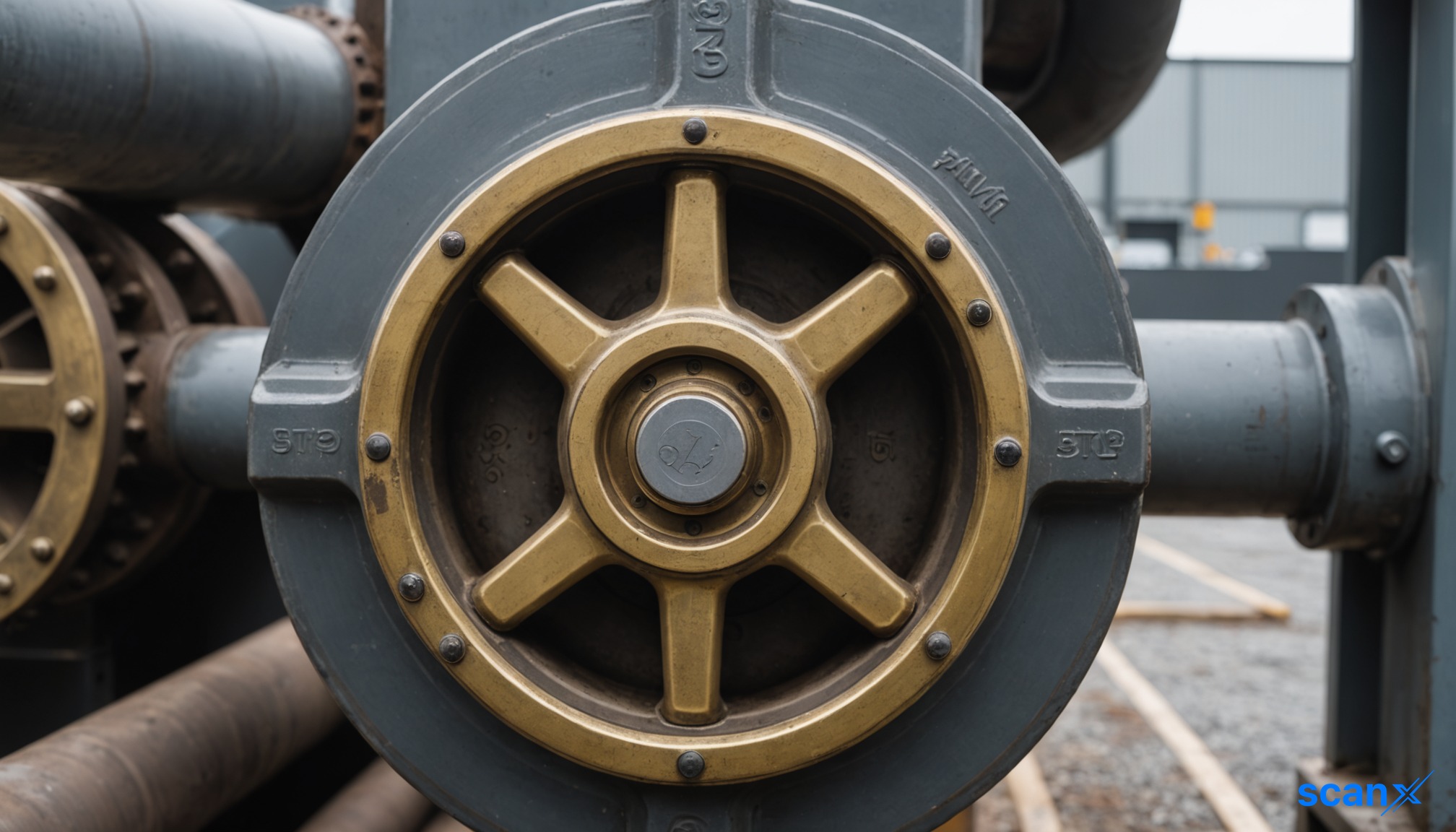
*this image is generated using AI for illustrative purposes only.
IRM Energy has submitted its Business Responsibility and Sustainability Report (BRSR) for the financial year ending March 31, 2026. The filing details the company’s operational footprint across four states and its commitment to environmental and social governance standards.
The company operates 150 CNG stations, including two L-CNG facilities, alongside five city gate stations. Its business activities are heavily concentrated in the distribution of gaseous fuels, which accounted for 99.24% of total turnover in FY26.
Safety and Training
IRM Energy reported a Zero Lost Time Injury (LTI) frequency rate for both employees and workers during FY26. The company achieved 100% coverage of its workforce in health and safety training programs. This included 605 training sessions for workers focusing on site safety, CNG operations, and emergency handling.
| Metric | FY26 | FY25 |
|---|---|---|
| Lost Time Injury Frequency Rate | Nil | Nil |
| Total Recordable Injuries | Nil | Nil |
| Fatalities | Nil | Nil |
Environmental Impact
The company recorded total greenhouse gas emissions of 3,453.78 metric tonnes of CO2 equivalent for Scope 1 and 11,419.86 metric tonnes for Scope 2 in FY26. Combined emission intensity per rupee of turnover decreased to 9.85 from 14.68 in the prior year.
Water consumption remained stable at 5,715 kilolitres, primarily for domestic use. The company generated 8.15 metric tonnes of hazardous waste, all of which was recycled through authorized vendors.
What the Numbers Show
The divergence between rising absolute energy consumption and falling emission intensity per rupee of turnover suggests improved operational efficiency relative to revenue growth. While total energy consumed increased to 133,300.98 units from 127,935.83 units in FY25, the intensity metric dropped significantly, indicating that revenue expansion outpaced energy usage growth.
Governance and Stakeholders
The board comprises ten directors, with one female representation (10%). No complaints regarding sexual harassment or discrimination were reported. Customer grievances totalled 7,966, with 234 pending resolution at year-end. The company maintains a robust anti-bribery policy and conducted no independent external assessments of its policies during the period.
Historical Stock Returns for IRM Energy
| 1 Day | 5 Days | 1 Month | 6 Months | 1 Year | 5 Years |
|---|---|---|---|---|---|
| +0.70% | -1.66% | -5.68% | +51.79% | -24.64% | -43.52% |

How does IRM Energy plan to reduce its Scope 2 emissions, which currently account for the majority of its carbon footprint?
What is the company's expansion strategy for its CNG and L-CNG network in light of the growing competition from electric vehicle charging infrastructure?
Given that 99.24% of turnover comes from gaseous fuels, what diversification plans exist to mitigate risks associated with potential shifts in national fuel policy?
 15
15









 Create Custom Screeners
  Access 200+ Pre-built Filters
  Use 50+ Readymade Screener





