

Gujarat Inject secures ₹4.86 crore solar order, FY26 revenue doubles


- Secured ₹4.86 crore order for 3,600 Solar PV Modules from Zentaraa Infra Projects
- FY26 total revenue doubled to ₹3,632.04 lakh from ₹1,904.58 lakh in FY25
- Profit After Tax rose 78.3% to ₹181.41 lakh driven by trading operations
- Recognized ₹2,076.45 lakh as Capital Work in Progress for solar generation project

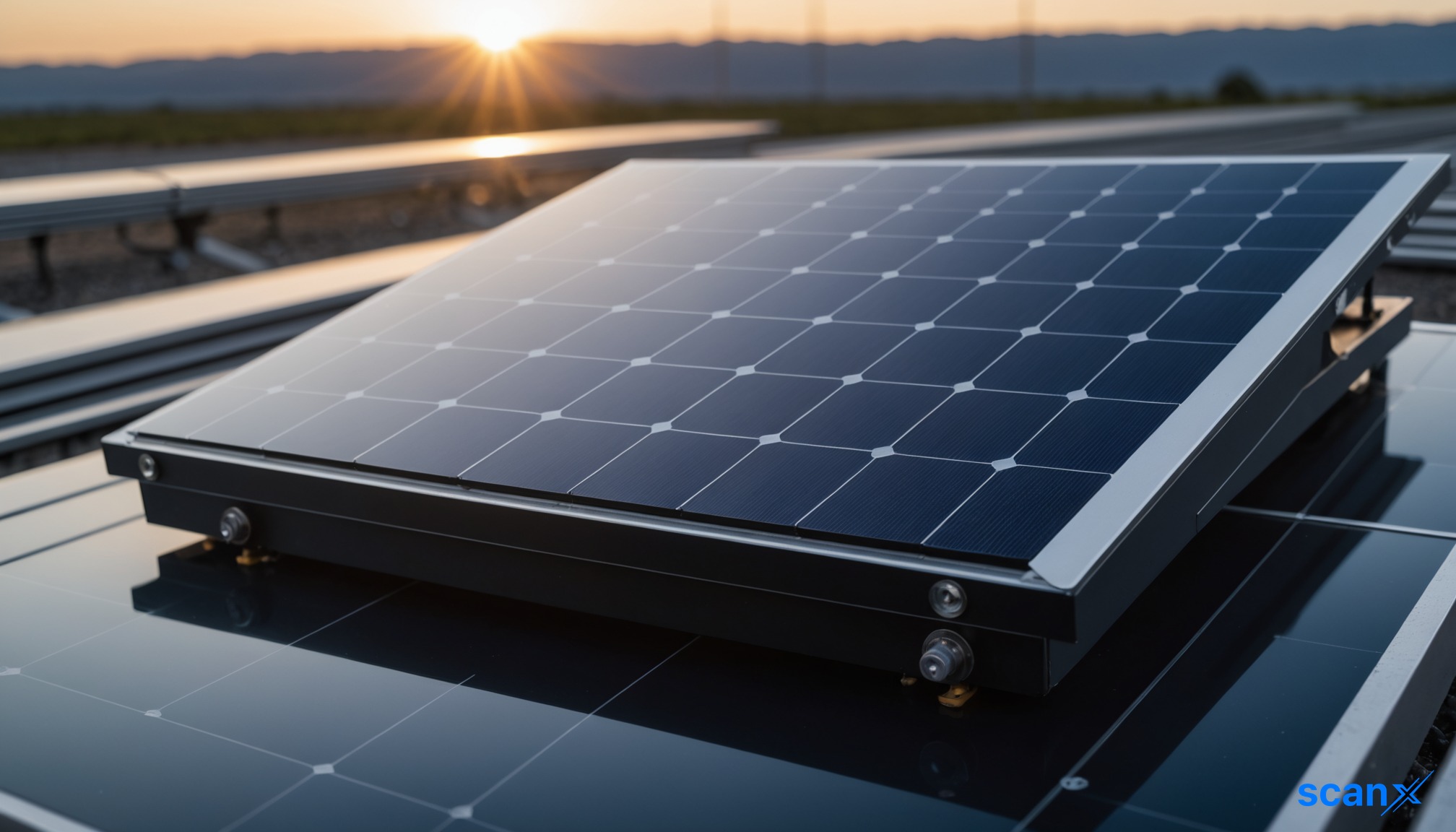

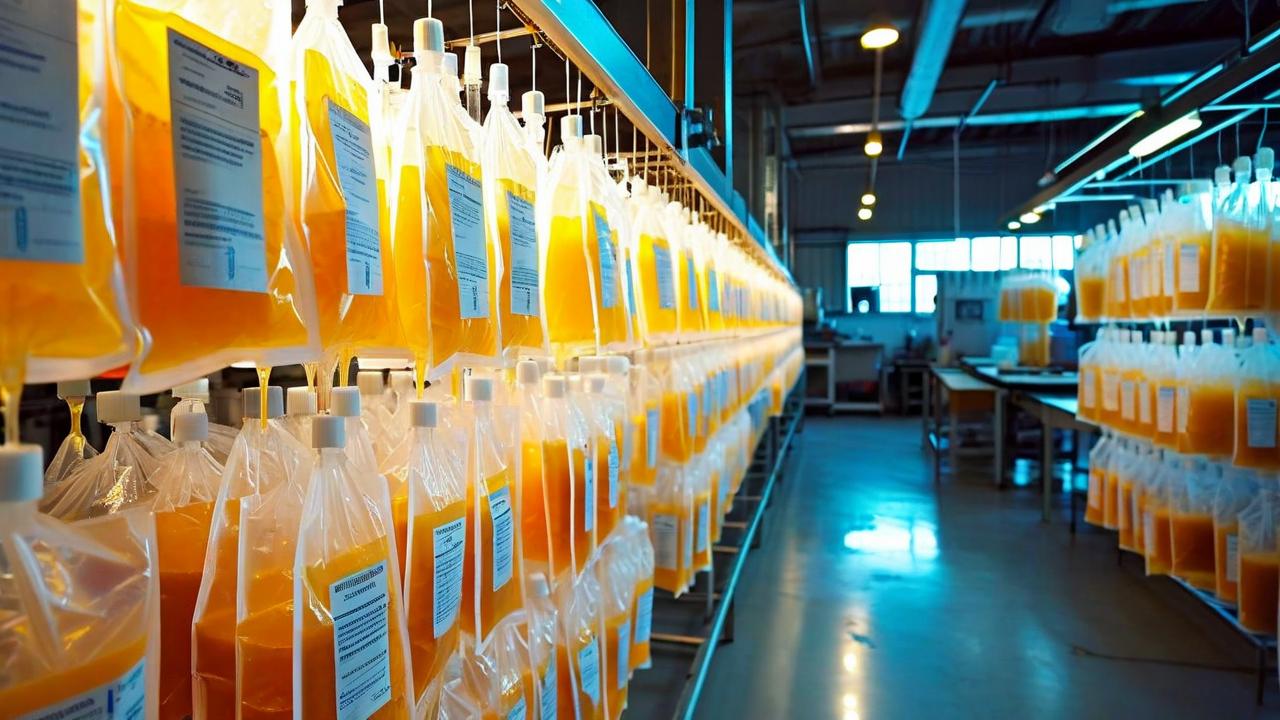
*this image is generated using AI for illustrative purposes only.
Gujarat Inject (Kerala) Limited has secured a domestic purchase order valued at approximately ₹4.86 crore for the supply of 3,600 Solar PV Modules from Zentaraa Infra Projects Private Limited, scheduled for execution in October 2026.
This development marks a decisive strategic pivot for the Vadodara-based company, which is transitioning from an asset-light trading enterprise into the renewable power landscape. The order follows the signing of an Investment Sale Agreement with Soleos Energy Limited on June 27, 2025, to develop solar power projects.
Strategic expansion into renewable energy
To formalize this transition, shareholders approved an amendment to the Company's Object Clause on September 30, 2025. The updated charter allows Gujarat Inject to engage in the generation, transmission, trading, and supply of electricity from renewable and conventional sources. It also permits ventures into Battery Energy Storage Systems (BESS) and electric vehicle charging infrastructure.
The Company recognized ₹2,076.45 lakh as Capital Work in Progress (CWIP) toward its Solar Power Generation Project. This represents the first CWIP addition in two years, signaling a shift toward capital-intensive infrastructure assets.
Financial performance in FY26
While the solar project remains under development, the Company's core trading operations drove significant financial growth during FY26. Total revenue nearly doubled compared to the previous fiscal year, while Profit After Tax (PAT) also saw substantial expansion.
| Metric | FY26 | FY25 | Change |
|---|---|---|---|
| Total Revenue | ₹3,632.04 lakh | ₹1,904.58 lakh | +90.7% |
| Profit After Tax | ₹181.41 lakh | ₹101.72 lakh | +78.3% |
| Purchases of Stock-in-Trade | ₹3,362.37 lakh | Not Disclosed | N/A |
The Company maintained its agile trading model, recording purchases of stock-in-trade worth ₹3,362.37 lakh. It operates without holding finished goods inventory, focusing on high-turnover trading activities.
What the numbers show
A divergence exists between reported profitability and asset base growth. While PAT rose 78.3% YoY, this was driven entirely by trading operations, as no operational revenue was recognized from the solar generation project in FY26. The independent statutory auditors highlighted the CWIP capitalization and its eventual transition to Property, Plant, and Equipment (PPE) as a Key Audit Matter (KAM), reflecting the materiality of the new renewable energy investments relative to the current trading-focused balance sheet.
Governance and operational notes
Gujarat Inject continues to prioritize governance and project execution as it repositions itself for the green energy transition. Management stated that the Object Clause amendment provides greater flexibility to explore new business opportunities. The Company confirmed that operational cash flows and revenue entitlements from the solar project will accrue only upon the discharge of consideration payable to the seller.
Historical Stock Returns for Gujarat Inject Kerala
| 1 Day | 5 Days | 1 Month | 6 Months | 1 Year | 5 Years |
|---|---|---|---|---|---|
| -0.44% | -1.51% | -16.45% | +11.33% | +357.00% | +3,708.33% |

How will the transition from asset-light trading to capital-intensive solar infrastructure impact Gujarat Inject's long-term debt profile and cost of capital?
What are the specific risks associated with the October 2026 execution timeline for the Zentaraa Infra order, given the current volatility in solar module supply chains?
How does the company plan to integrate Battery Energy Storage Systems (BESS) and EV charging infrastructure into its revenue model once the initial solar projects become operational?
 16
16






 Access 50+ Readymade Screeners
  Use 200+ Custom Filters
  Get Full Market Insights





