

GS Auto International FY26 Results: Net profit surges 139% to ₹340.17 lakh


- Net profit surged 139% YoY to ₹340.17 lakh in FY26
- Revenue rose 3.6% to ₹15,043.41 lakh on improved production mix
- Finance costs decreased 7.6% due to reduction in long-term debts
- Board approves rights issue of 2.9 crore shares at ₹10 each
- No dividend recommended for FY26 to conserve resources



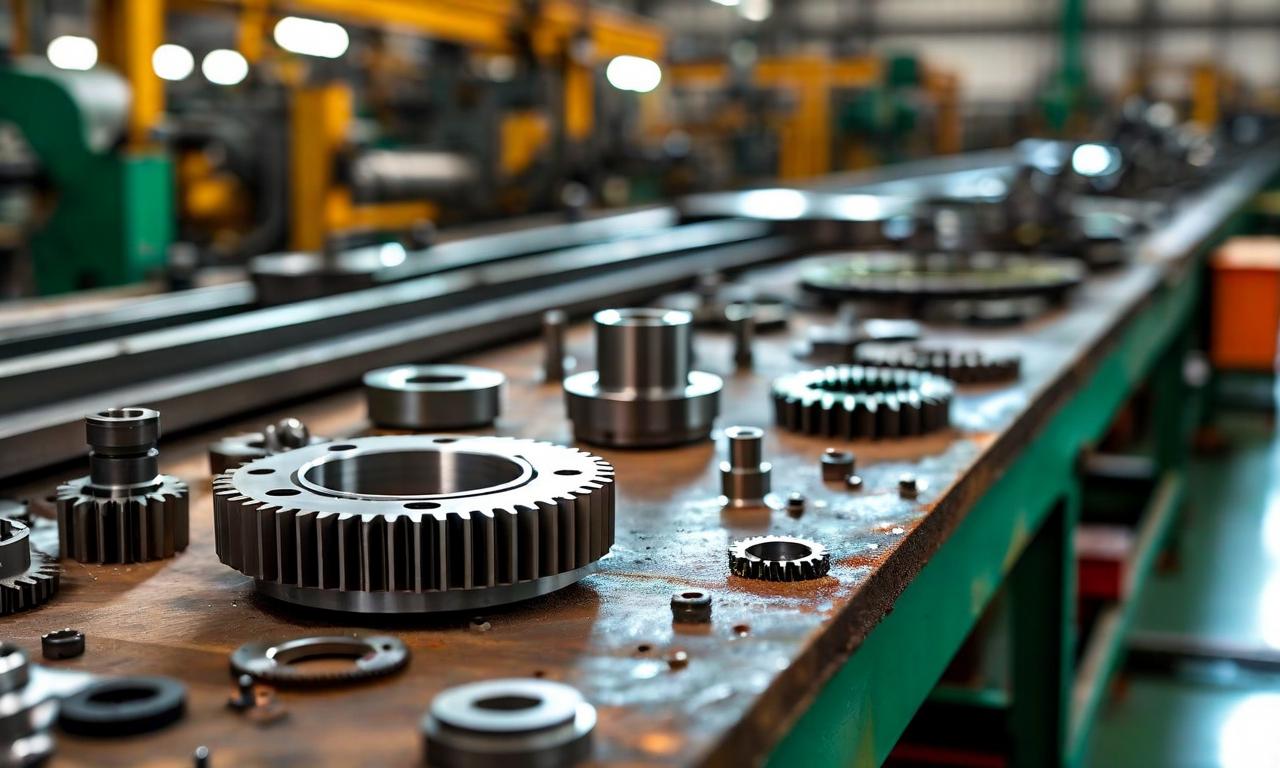
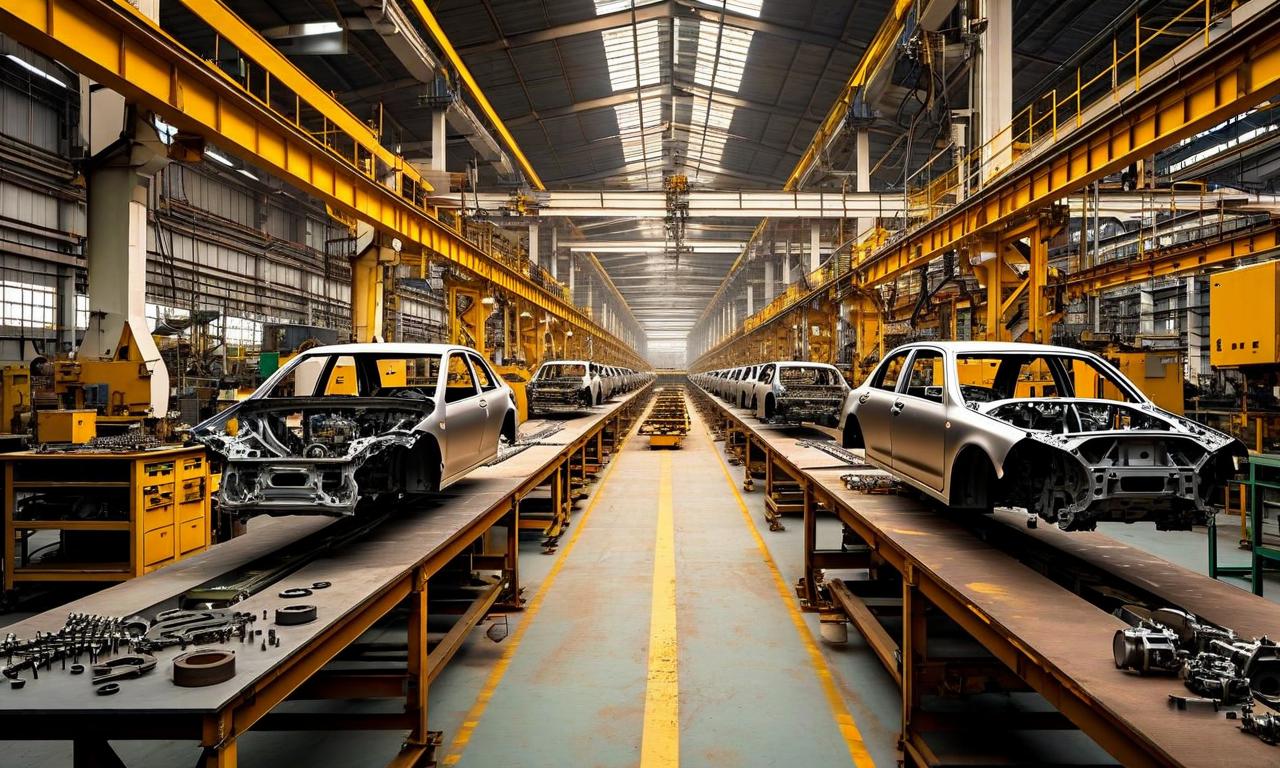
*this image is generated using AI for illustrative purposes only.
GS Auto International reported a 139% year-on-year surge in net profit for FY26, driven by operational efficiency and reduced financial expenses. The Ludhiana-based auto component manufacturer posted a profit after tax (PAT) of ₹340.17 lakh for the fiscal year ended March 31, 2026, compared to ₹141.75 lakh in the previous year.
Revenue from operations grew by 3.6% to ₹15,043.41 lakh, up from ₹14,516.07 lakh in FY25. The company attributed the substantial improvement in profitability to better production mix, enhanced employee productivity, and cost-saving measures in material procurement. Additionally, the firm successfully lowered its interest and financial expenses due to a reduction in long-term debts.
Financial Performance Highlights
The company’s operating performance showed marked improvement across key metrics. Profit before depreciation, amortization, interest, and taxes (PBDIT) rose 10.3% to ₹1,155.75 lakh. Similarly, profit before tax (PBT) increased by 61.6% to ₹386.68 lakh. The total comprehensive income for the year stood at ₹391.94 lakh, a significant jump from ₹122.80 lakh in the prior period.
| Metric | FY26 (₹ Lakh) | FY25 (₹ Lakh) | Change |
|---|---|---|---|
| Revenue from Operations | 15,043.41 | 14,516.07 | +3.6% |
| PBDIT | 1,155.75 | 1,048.17 | +10.3% |
| Profit Before Tax | 386.68 | 239.26 | +61.6% |
| Net Profit After Tax | 340.17 | 141.75 | +139.9% |
Export earnings also witnessed growth, with net foreign exchange earnings rising to ₹241.81 lakh from ₹224.64 lakh in the previous year. The company retained its ISO/TS 16949 certification for its quality management system during the period.
What the Numbers Show
The divergence between modest top-line growth and explosive bottom-line expansion highlights a significant leverage effect on the company’s earnings. While revenue increased by only 3.6%, net profit nearly tripled. This disparity was primarily fueled by a 7.6% reduction in finance costs, which fell to ₹383.87 lakh from ₹415.27 lakh, alongside a decline in deferred tax provisions. The data suggests that debt restructuring and operational cost controls were more impactful on profitability than sales volume growth during FY26.
Corporate Actions and Governance
The Board of Directors decided not to recommend any dividend for FY26, aiming to strengthen long-term working capital and conserve resources for future growth. In a strategic move to raise funds, the company approved a rights issue of 2,90,29,160 equity shares at ₹10 per share (face value ₹5 plus premium ₹5). The proceeds are intended for working capital requirements, capital expenditure, and general corporate purposes.
The 52nd Annual General Meeting is scheduled for September 30, 2026. Key agenda items include the re-appointment of Executive Director Mr. Harkirat Singh Ryait and the appointment of two new independent directors, Mr. Joga Singh and Mr. Vineet Gupta. The company also proposed appointing M/s C S Arora & Associates as statutory auditors for a five-year term.
Historical Stock Returns for GS Auto International
| 1 Day | 5 Days | 1 Month | 6 Months | 1 Year | 5 Years |
|---|---|---|---|---|---|
| +1.93% | +5.49% | -4.35% | +9.76% | +0.44% | +245.51% |

How will the proceeds from the ₹2.9 crore rights issue specifically accelerate GS Auto's capital expenditure plans and working capital efficiency in FY27?
What is the strategic rationale behind retaining earnings rather than paying dividends, and how might this impact shareholder returns in the medium term?
Will the addition of independent directors Joga Singh and Vineet Gupta bring new expertise to help GS Auto navigate potential supply chain disruptions or expand its export markets?
 17
17










 Access Market Heat-map & Insights
  Create, Save & Share your Screener
  Use 200+ Screening Filters





