

Fermi Inc Q2 Loss Widens to $25.8M as $6.5B Anchor Lease Signed


Fermi Inc reported a Q2 2026 net loss of $25.8 million, driven by increased G&A expenses of $26.8 million. The company signed a $6.5 billion anchor lease with TensorWave for up to 650 MW and raised $431 million in convertible notes. Cash stood at $91.7 million, while debt rose to $520.1 million.

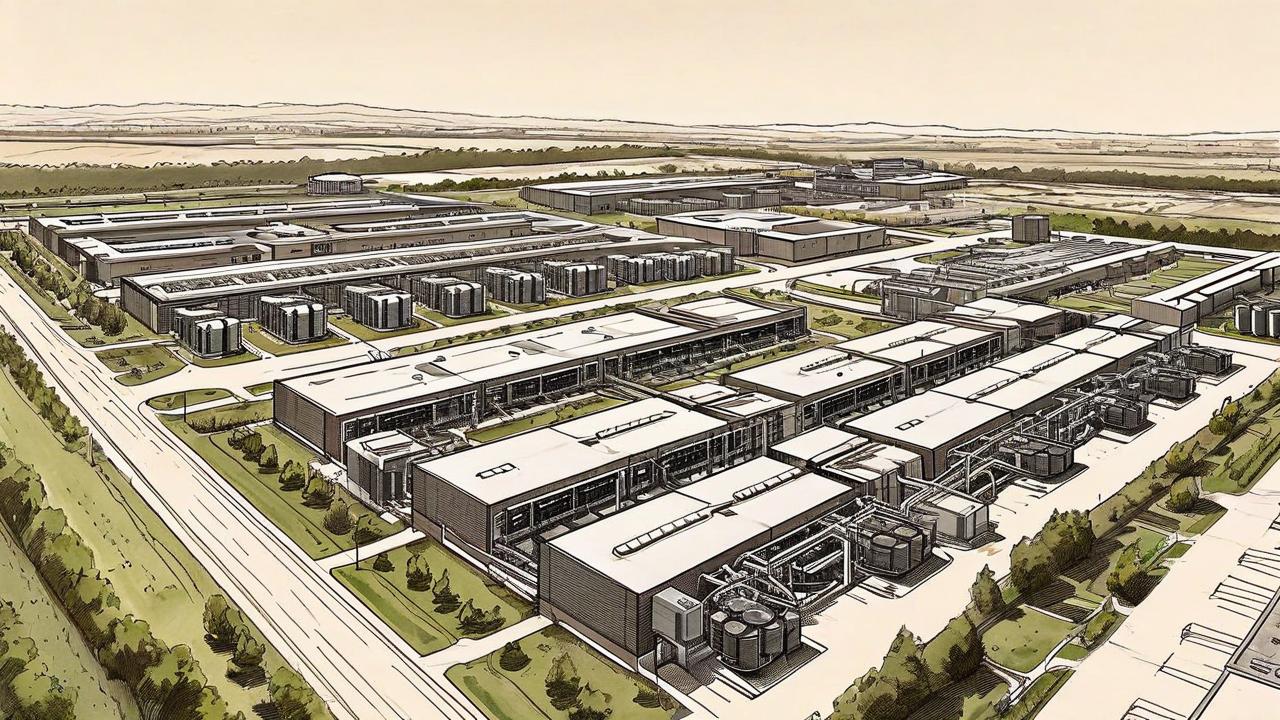

*this image is generated using AI for illustrative purposes only.
Fermi Inc (NASDAQ: FRMI) (LSE: FRMI) announced its second quarter 2026 financial results alongside the successful execution of its 90-day strategic plan. The company reported a net loss of $25.8 million for the three months ended June 30, 2026, compared to a net loss of $6.3 million in Q2 2025. This widening loss reflects accelerated spending on development and infrastructure buildout as Fermi transitions from early-stage development into active construction.
The primary driver of the quarter's financial performance was general and administrative expenses, which totaled $26.8 million, up from $5.6 million in Q2 2025. The company remains pre-revenue, meaning all current expenditures are capitalizing toward future power generation capabilities rather than supporting ongoing operational sales.
Commercial Milestones and Strategic Alliances
Fermi signed a 15-year turnkey binding lease agreement with TensorWave, a Neocloud provider, to serve as the first customer at the Project Matador campus. The agreement covers an initial phase of 222 MW of total facility power, with total revenue estimated at approximately $6.5 billion over the life of the contract. The deal includes expansion options that could increase TensorWave's footprint to up to 650 MW. A backstop agreement supporting certain obligations under the lease is being finalized and is expected to be announced in the coming days.
Additionally, Fermi established a build-own-operate-transfer strategic alliance with Hillcore Energy Capital Corporation for approximately 2.6 GW of incremental power generation. Under this framework, Hillcore will finance and construct the facility without requiring capital or debt issuance from Fermi. First power of approximately 350 MW is targeted within 24 months of notice to proceed. Fermi also announced EPC partnerships with Primoris for balance of plant on phase one and TSK for early works engineering on phase two.
Financial Position and Liquidity
Cash and restricted cash on hand stood at $91.7 million as of June 30, 2026, down from $408.5 million at the end of December 2025. The decline reflects significant capital deployment, with $185.0 million invested in property, plant, and equipment during the quarter, bringing the gross balance to approximately $1.55 billion. Outstanding debt rose to $520.1 million, reflecting a $98.8 million net increase in borrowings under equipment financing facilities.
Subsequent to the quarter end, Fermi issued more than $431 million of 5.00% Convertible Senior Notes due 2031. Net proceeds were $416.8 million before capped call transaction costs, with CFO Rob Masson noting net proceeds after capped calls were approximately $382 million. The notes carry no scheduled amortization and no financial maintenance covenants. Capped call transactions eliminate shareholder dilution up to an effective strike price of $14.64 per share, representing a 100% premium to the July 9, 2026 closing price.
Operational Progress and Leadership
Fermi appointed Lee McIntire as Chief Executive Officer to lead the transition into construction and first power delivery. The company plans to deliver 640 megawatts of nameplate capacity by the fourth quarter of 2027, with the first 210 megawatts available July 1, 2027. Three Siemens Energy F-Class turbines arrived at the Port of Houston in July and have cleared customs. Fermi expects to deliver about 200 MW of initial commercial power over the next six months, subject to binding customer agreements and approvals.
What the Numbers Show
The divergence between the rising debt load and the shrinking cash balance highlights the capital-intensive nature of Fermi's current phase. While cash reserves fell by over $316 million in the first half of 2026 due to $626 million in property investments, the company simultaneously increased its debt by nearly $410 million year-over-year. This structure suggests a deliberate strategy to leverage debt for infrastructure buildout while using equity-linked instruments (convertible notes) to preserve immediate liquidity and minimize dilution risk until commercial revenue streams begin.
| Metric | Q2 2026 | Q2 2025 | Change |
|---|---|---|---|
| Net Loss | $(25.8) million | $(6.3) million | Widened |
| G&A Expenses | $26.8 million | $5.6 million | Increased |
| Cash & Restricted Cash | $91.7 million | Not Disclosed | N/A |
| Outstanding Debt | $520.1 million | Not Disclosed | N/A |

How will the upcoming finalization of the backstop agreement for the TensorWave lease impact investor confidence in Fermi's long-term revenue visibility?
What are the specific risks associated with relying on Hillcore Energy Capital to finance 2.6 GW of capacity without Fermi taking on additional debt or equity dilution?
Given the widening net loss and rising debt, how might Fermi's leverage ratios affect its ability to secure further financing if construction timelines slip?
 19
19









 Access Market Heat-map & Insights
  Create, Save & Share your Screener
  Use 200+ Screening Filters





