

Equinor Q2FY26 Results: Adjusted operating income up to $11 billion


- Adjusted operating income reached $11 billion pre-tax in Q2 2026
- Production grew 3% YoY to 2,165,000 barrels per day
- Net debt ratio fell to 10.4% with $24 billion in cash reserves
- Share buyback program doubled to $3 billion for 2026
- MMP segment delivered $777 million pre-tax, beating $400 million guidance

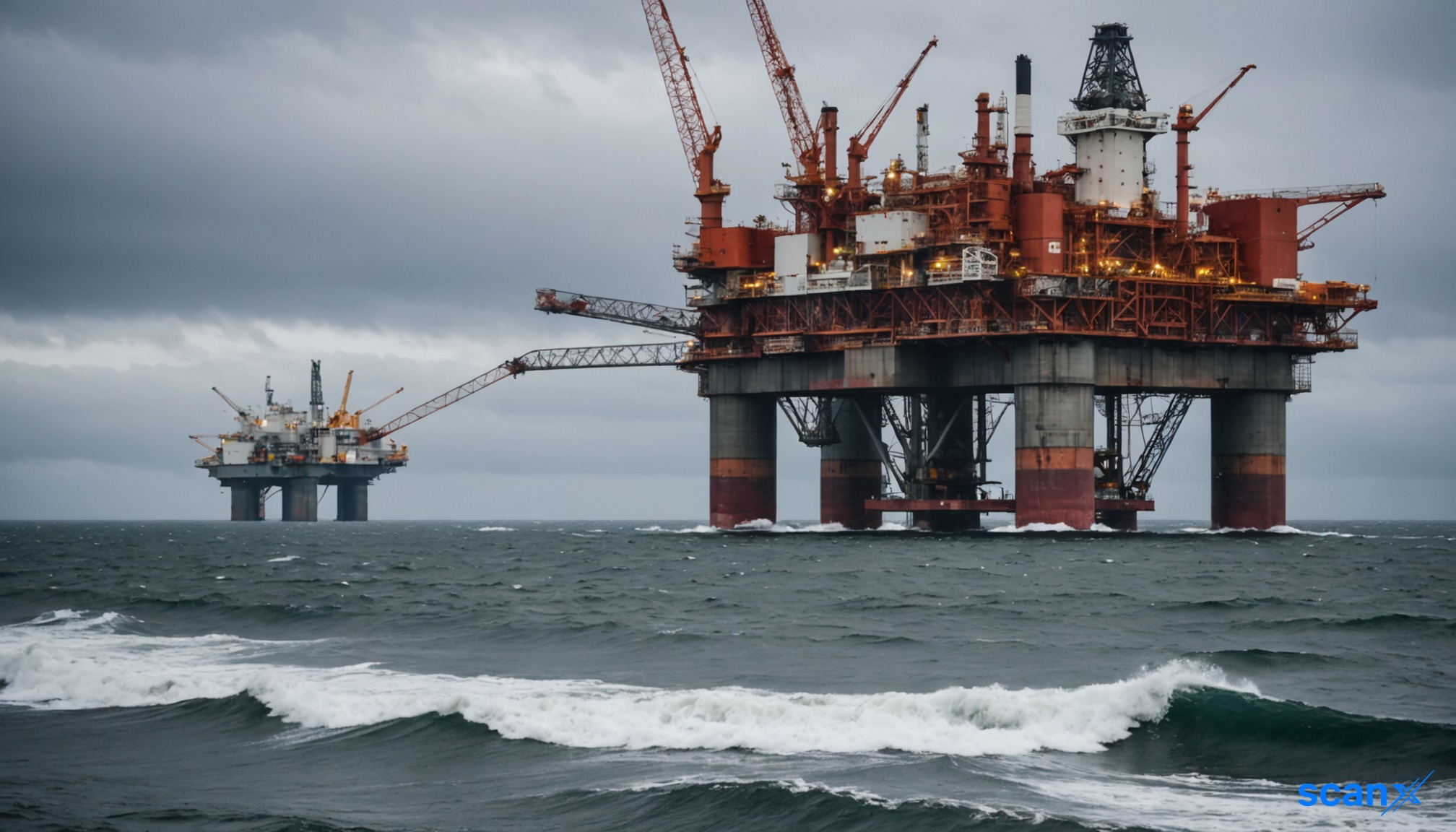

*this image is generated using AI for illustrative purposes only.
Equinor (NYSE: EQNR) delivered robust financial performance in the second quarter of 2026, driven by higher energy prices and increased production volumes. The company reported an adjusted operating income of $11 billion before tax, while year-to-date IFRS net income reached $4.8 billion.
Production grew 3% year-on-year to 2,165,000 barrels per day, supported by new fields on the Norwegian continental shelf (NCS) and international assets. Despite operational challenges at the Johan Castberg field, management maintained its full-year production growth guidance of 3%.
Financial Performance
Equinor’s cash flow from operations after tax stood at $13.7 billion for the quarter. Adjusted earnings per share were $1.33. The strong results were bolstered by higher liquids and European gas prices compared to the same period last year, although US gas prices declined.
| Metric | Q2 2026 | Context |
|---|---|---|
| Adjusted Operating Income (Pre-tax) | $11 billion | Strong contribution from E&P Norway and International |
| Cash Flow from Operations (After-tax) | $13.7 billion | Robust liquidity generation |
| Net Income (YTD) | $4.8 billion | Year-to-date figure |
| Adjusted EPS | $1.33 | Per share basis |
The E&P Norway segment generated $9.2 billion in pre-tax adjusted operating income. Internationally, operating income nearly doubled despite a modest 4% production increase, reflecting improved portfolio quality. The Marketing, Midstream, and Power (MMP) segment contributed $777 million pre-tax, significantly exceeding the quarterly guidance of $400 million, driven by crude trading and high refinery margins at Mongstad.
Production and Operations
Total production reached 2,165,000 barrels per day, a 3% increase from Q2 2025. NCS production rose 4%, aided by new fields Irene and Simra coming on stream. Johan Sverdrup performed better than expected, with decline rates at the low end of the previously indicated 10% to 20% range.
Internationally, growth was led by Adura in the UK and Bacalhau in Brazil. This offset reductions from decreased ownership in Peregrino and the divestment of onshore Argentina assets. First-half production growth totaled 6%, reinforcing the full-year guidance.
In the power segment, Equinor produced 1.2 TWh, with growth stemming from Dogger Bank in the UK and new onshore assets.
Balance Sheet and Capital Allocation
Equinor strengthened its balance sheet, holding approximately $24 billion in cash and cash equivalents. The net debt ratio decreased to 10.4%, despite paying $7.1 billion in taxes, including three NCS installments totaling around $6.4 billion. Management expects the net debt ratio to fall below 10% by year-end.
Working capital decreased by $1.8 billion to $3.6 billion, a level lower than usual due to reduced inventories and accounts receivable.
Capital distribution initiatives included:
- Doubling the 2026 share buyback program from $1.5 billion to $3 billion.
- Approval of an ordinary cash dividend of $0.39 per share.
- A third tranche of share buyback up to $1.125 billion, including the state’s share.
What the Numbers Show
The MMP segment’s pre-tax income of $777 million was nearly double the guided amount of $400 million. This significant outperformance was primarily driven by non-operational factors, specifically crude trading gains and elevated refinery margins at Mongstad, rather than core volume growth. This highlights the company’s ability to capture value from market volatility and tight product markets, though such results may fluctuate with geopolitical conditions.
Strategic Developments
Equinor awarded contracts for the first wave of tieback projects on the NCS under its new 2035 operating model, aiming to double development speed and halve costs. The company also took a final investment decision for the Greater Parche project in Angola, expected to generate more than $50 per barrel in cash flow from operations.
Additionally, Equinor received $150 million in quarterly cash distributions from Adura and recorded a gain of $467 million from the sale of Argentina onshore assets. Organic capital expenditure was $3.4 billion, resulting in positive net cash flow before distribution of $5.5 billion.

How might the new 2035 operating model's goal to halve costs impact Equinor's long-term capital expenditure efficiency and return on invested capital?
What are the potential risks to maintaining the 3% full-year production growth guidance if operational challenges at Johan Castberg persist or worsen?
Could the significant outperformance in the MMP segment due to trading gains and refinery margins be sustained, or is it likely to normalize as market volatility decreases?
 15
15










 Create Custom Screeners
  Access 200+ Pre-built Filters
  Use 50+ Readymade Screener





