DoorDash, Uber, Instacart sales rise as US retail spending falls

scanx
Reviewed by
Anirudha BScanX News Team
Key Highlights
  • U.S. retail sales fell 0.6% in July while Walmart saw slowest comps since 2020
  • DoorDash, Uber, and Instacart posted strong sales growth in latest quarters
  • Uber delivery gross bookings rose 26% in Q2, outpacing ride-hailing growth
  • Basic meal prices rose 3.2% YoY, straining household finances
  • Consumers prioritize convenience for food and groceries despite budget pressure
powered bylight_fuzz_icon
49113187

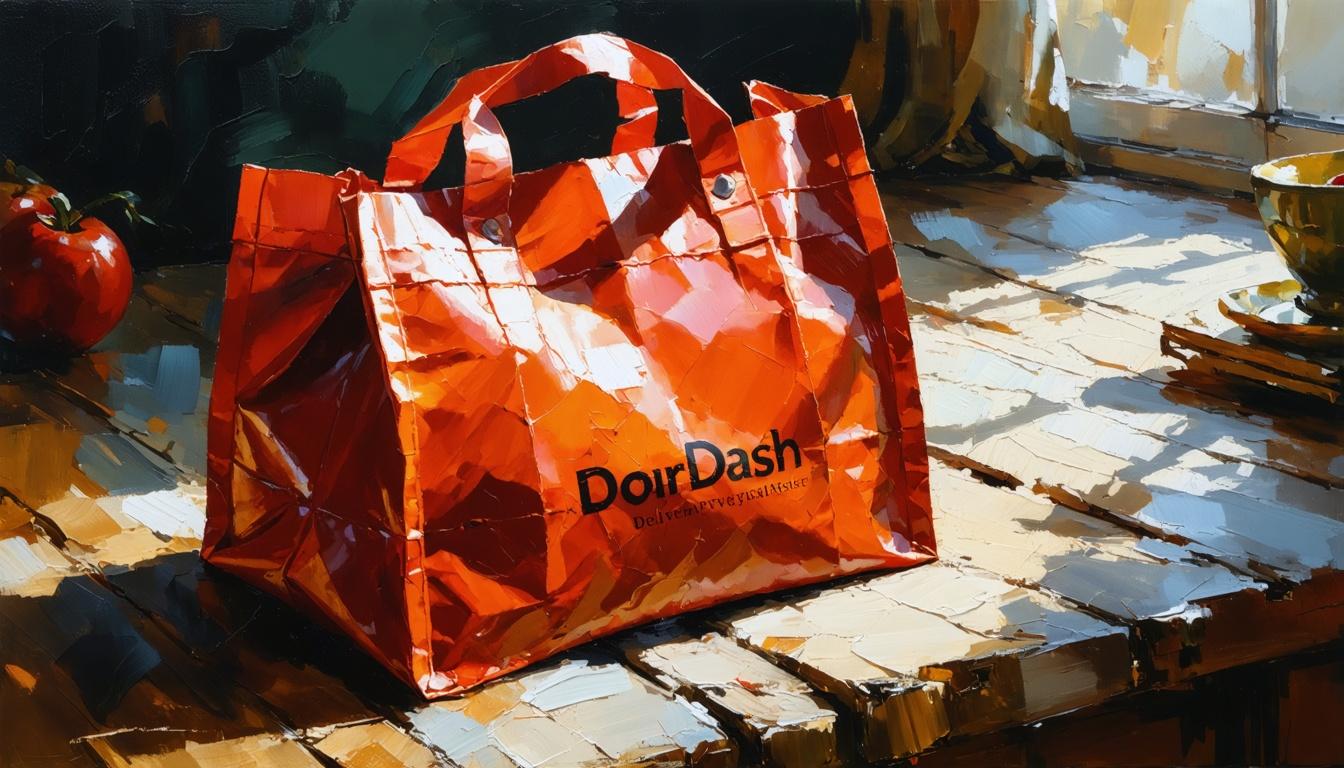
*this image is generated using AI for illustrative purposes only.

U.S. food delivery platforms DoorDash Inc. (NASDAQ: DASH), Uber Technologies Inc. (NYSE: UBER), and Maplebear Inc. (NASDAQ: CART) posted strong sales growth in their latest quarterly results, defying broader consumer caution.

While U.S. retail sales fell 0.6% in July and Walmart recorded its slowest comparable-sales growth since 2020, demand for delivered meals and groceries remained resilient. Consumers continue to prioritize convenience despite rising costs and inflationary pressure on household budgets.

Consumer Spending Shifts

Broader economic data indicates a more cautious consumer environment. Inflation has exceeded wage growth for four consecutive months, with real wages falling between December 2020 and 2024 for nearly 40% of workers. This has pushed households to prioritize necessities and value-oriented purchases.

Some diners are shifting away from McDonald’s toward rivals like Burger King and Chili’s, which have reported sales growth driven by value-focused meal deals. However, food delivery platforms have maintained momentum by expanding their customer bases and adding new offerings.

Metric Change Context
U.S. Retail Sales (July) -0.6% Broader consumer pullback
Uber Delivery Gross Bookings +26% Q2 growth outpacing ride-hailing
Basic Meal Price +3.2% YoY increase over past year

Convenience Drives Resilience

DoorDash CFO Ravi Inukonda noted that the broader food category remains resilient because "people eat 21 times a week, whether it’s food or groceries." CEO Tony Xu expressed surprise at consumers’ willingness to pay for delivery despite higher costs.

Convenience remains a primary driver for users. Customers cited time savings and household management benefits as key reasons for continued usage. For some, grocery delivery is more cost-effective than in-person shopping when factoring in transportation costs and local price variations.

DoorDash is expanding beyond traditional restaurant delivery by adding regional grocers and enabling SNAP benefit purchases at The Kroger Co. (NYSE: KR). This diversification provides additional value propositions for consumers seeking essential goods.

Rising Food Costs

Food affordability continues to strain household finances. A basic meal consisting of a cheeseburger, fries, and a drink rose 3.2% in price over the past year, with only a handful of U.S. cities averaging below $15.

Financial stress is evident among working-age adults using credit cards for groceries. More than one-quarter either could not pay their balances in full or missed minimum payments. Approximately 20% reported using long-term savings, including emergency funds, to cover grocery expenses.

This creates a distinct consumer dynamic: while households become more selective with discretionary spending, food remains a necessity where convenience can still command a premium. Delivery platforms appear better positioned to retain users compared to other discretionary sectors.

Disclaimer: This article is AI-generated using data from ViewTrade. ScanX is not liable for any inaccuracies.

How might DoorDash's integration of SNAP benefits with Kroger impact its user acquisition rates among lower-income demographics in the coming quarters?

Could the rising financial stress among grocery shoppers lead to a shift from premium delivery services to budget-friendly alternatives, affecting long-term ARPU for platforms like Uber and Instacart?

Will traditional fast-food chains accelerate their own direct-delivery infrastructure to compete with third-party platforms, potentially eroding the market share of DASH and UBER?

like18
dislike

DoorDash, Gap partner for on-demand apparel delivery expansion

scanx
Reviewed by
Shriram SScanX News Team
Key Highlights
  • DoorDash partners with Gap to offer on-demand delivery of back-to-school and fall apparel
  • Q1 2026 data shows DoorDash reaches over 60% of US population with median delivery under 30 minutes
  • Consumer365 guide highlights DoorDash's role in same-day delivery for event essentials and athletic wear
  • Retail orders via DoorDash can be delivered in as fast as one hour, subject to local inventory
powered bylight_fuzz_icon
48608104

*this image is generated using AI for illustrative purposes only.

DoorDash Inc (NASDAQ: DASH) and Gap Inc have launched a partnership bringing Gap and Gap Factory products to DoorDash’s on-demand delivery network. This collaboration provides immediate access to back-to-school essentials and fall apparel through the local commerce platform.

Shoppers can order from participating Gap and Gap Factory locations nationwide. Orders are fulfilled directly from stores, with availability and delivery times varying by location. This integration adds apparel to DoorDash’s existing retail lineup, which includes over half a million eligible products across categories such as books, baby items, and household goods.

Market Reach and Performance

DoorDash highlighted its operational scale in Q1 2026, noting that its fast third-party convenience delivery reached over 60% of the US population. During this period, the company reported a median delivery time of 30 minutes or less. The platform fulfilled tens of millions of grocery and retail deliveries across more than 22,000 ZIP codes.

Metric Q1 2026 Data
US Population Reach Over 60%
Median Delivery Time 30 minutes or less
Delivery Coverage More than 22,000 ZIP codes

Shanna Prevé, Chief Revenue Officer at DoorDash, stated that the partnership addresses last-minute shopping needs during the busy back-to-school season. Mark Breitbard, President and CEO of Gap Brand, noted that the alliance combines iconic style with the immediacy customers expect.

Promotional Offers

To mark the launch, both brands offered limited-time discounts from August 17–23, 2026. The promotions required minimum order values and were valid only at participating locations.

  • Gap: 20% off orders of $100 or more (up to $25 off). Code: GAPBTS20.
  • Gap Factory: 20% off orders of $75 or more (up to $20 off). Code: GFBTS20.

Broader Retail Apparel Trends

Consumer365 released a guide on August 23, 2026, examining how same-day retail services help with last-minute outfit needs, event essentials, and sports or outdoor apparel. The guide identifies DoorDash as a key platform for everyday shopping outside restaurant meals, offering same-day delivery from nearby retailers including clothing, footwear, athletic wear, and accessories.

The analysis notes that apparel delivery addresses time-sensitive problems such as missing dress shirts, unexpected weather changes, or forgotten shoes. Common use cases include replacing items while traveling, ordering accessories before events, or securing athletic wear before practice. DoorDash is expanding its retail service to include footwear, athletic wear, sporting equipment, camping gear, and accessories.

Delivery Mechanics and Speed

Shoppers can check the DoorDash app or website for participating retail stores in their area, review available items, and choose delivery during checkout. Orders may also be scheduled for a later date and time to assist with event preparation or travel planning.

If an item is unavailable, the delivery courier may contact the customer to discuss choices such as replacing the item with an alternative, refunding the unavailable item, or canceling the full order. This process is critical for clothing and shoes where size, color, fit, and intended use complicate substitutions.

Retail delivery through DoorDash is available in as fast as one hour. Delivery speed is based on average delivery times and is not guaranteed. Stores, products, fees, and timing vary by location, so customers should review the estimate shown for their address before placing an order. Return rules vary by retailer, and customers are encouraged to check specific return policies shown for each store.

What the Numbers Show

The data reveals a strategic shift toward high-frequency, low-latency retail fulfillment. By integrating physical store inventory into a platform with a 30-minute median delivery time, Gap is leveraging DoorDash’s dense logistics network in 22,000+ ZIP codes. This suggests a dependency on urban density for viability, as the service model relies on proximity between participating stores and consumers rather than centralized warehousing. The new guidance confirms that while median times remain under 30 minutes, specific retail orders can be fulfilled in as fast as one hour, highlighting the variability inherent in store-level inventory picking versus centralized grocery models.

Disclaimer: This article is AI-generated using data from ViewTrade. ScanX is not liable for any inaccuracies.

How might the high return rates typical of apparel e-commerce impact DoorDash's unit economics and courier efficiency compared to grocery or restaurant deliveries?

Will this partnership encourage other major apparel retailers to adopt similar store-to-door delivery models, potentially saturating the local commerce market?

How does the reliance on physical store inventory for fulfillment affect Gap's ability to manage stock levels and reduce markdowns during peak seasons like back-to-school?

like19
dislike

More News on DoorDash