

Dhanuka Agritech files BRSR for FY26, details ESG goals


Dhanuka Agritech Limited filed its Business Responsibility and Sustainability Report for FY26, outlining ESG targets such as net-zero by 2040 and water neutrality by 2030. The report details operational metrics including total energy consumption of 47,502.42 Gj and Scope 1 and 2 emissions of 6,008.60 MT of CO2 equivalent. The company confirmed full compliance with environmental laws and reported zero fines or regulatory penalties for the year.


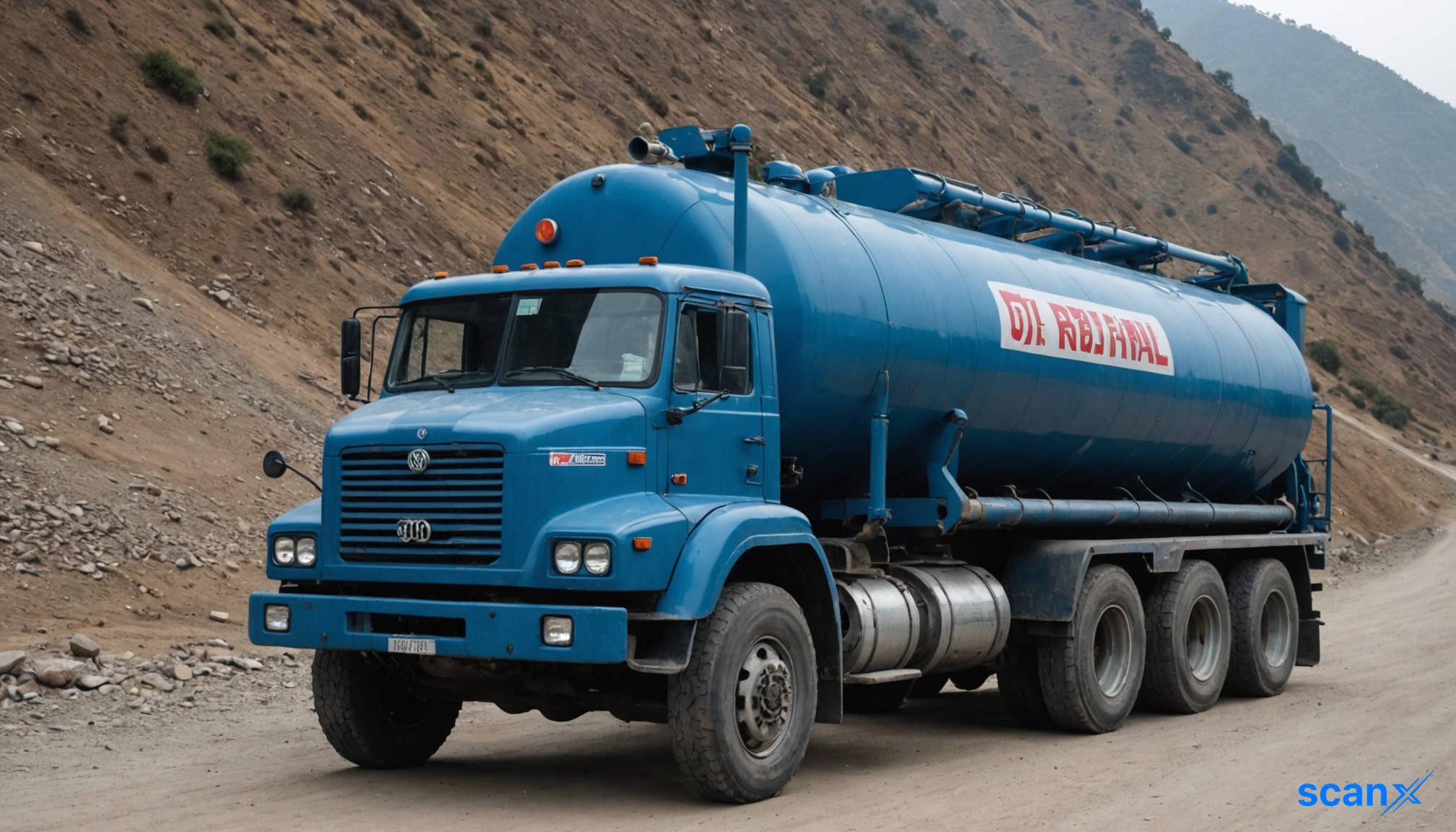
*this image is generated using AI for illustrative purposes only.
Dhanuka Agritech Limited has filed its Business Responsibility and Sustainability Report (BRSR) for the financial year 2025-26, detailing its performance on environmental, social, and governance parameters. The report, submitted to the stock exchanges on July 3, 2026, outlines the company's strategic initiatives aimed at sustainable growth and responsible business conduct. Dhanuka Agritech Limited has established specific sustainability targets, including achieving net-zero emissions by 2040, increasing the share of renewable energy to 10% of total consumption by 2030, and attaining water neutrality by 2030.
Sustainability and Environmental Targets
The company has committed to recycling or reusing more than 90% of total waste generated to achieve zero waste to landfill by 2030. It aims to increase the representation of women in the workforce by 2030 and maintain zero recordable incidents and fatalities through the same period. Dhanuka Agritech reported that it has implemented Zero Liquid Discharge (ZLD) systems across its manufacturing facilities in Sanand, Keshwana, Udhampur, and Dahej. The company has also invested in solar energy infrastructure, commissioning a 1,200 KWP solar power generating system at its Dahej facility and a 275 KW solar power plant at Sanand.
Operational and Financial Disclosures
The report provides detailed operational metrics for FY 2025-26. The company's total energy consumption stood at 47,502.42 Gj, with renewable sources contributing 2,854.42 Gj. Water withdrawal totalled 43,646.14 kilolitres, while water consumption was 41,450.21 kilolitres. Total greenhouse gas emissions, comprising Scope 1 and Scope 2, were reported at 6,008.60 MT of CO2 equivalent. The company stated that it did not undertake any Environmental Impact Assessment (EIA) projects during the current financial year and confirmed full compliance with applicable environmental laws, including the Water Act, Air Act, and Environment Protection Act.
Social and Governance Metrics
Dhanuka Agritech disclosed that it had 1,217 permanent and other-than-permanent employees as of March 31, 2026. The company reported that 100% of permanent employees were covered by health and accident insurance. It spent 0.28% of its total revenue on well-being measures for employees and workers. The report noted that there were no complaints related to sexual harassment, discrimination, child labour, or forced labour during the year. Additionally, the company confirmed that it did not pay any fines, penalties, or compounding fees in proceedings with regulatory or law enforcement agencies in FY 2025-26.
Stakeholder Engagement and Grievance Redressal
The company identified farmers, employees, investors, value chain partners, government bodies, and local communities as key stakeholder groups. It reported receiving 141 consumer complaints during the year, all of which were resolved. The company maintains grievance redressal mechanisms for various stakeholders, including communities, investors, shareholders, employees, and customers, with specific policies available on its website. The Board of Directors is currently responsible for the oversight and implementation of the BRSR policy, with the Risk Management Committee reviewing Environment, Social, and Governance metrics as a standard procedure.
Historical Stock Returns for Dhanuka Agritech
| 1 Day | 5 Days | 1 Month | 6 Months | 1 Year | 5 Years |
|---|---|---|---|---|---|
| -3.73% | -8.03% | -13.49% | -15.28% | -42.44% | +5.14% |

How will Dhanuka Agritech finance the transition to net-zero emissions by 2040, and what impact might this have on capital expenditure?
What specific strategies will the company employ to increase the share of renewable energy from its current 6% to the targeted 10% by 2030?
How will the company achieve water neutrality by 2030 given the current gap between water withdrawal and consumption?
 17
17











 Access Market Heat-map & Insights
  Create, Save & Share your Screener
  Use 200+ Screening Filters





