

Deepak Nitrite subsidiary approves ₹2,500 Cr BPA manufacturing project


Deepak Nitrite's subsidiary Deepak Chem Tech Limited approved a ₹2,500 crore greenfield project for a 240 KTA BPA plant on August 4, 2026. This move integrates the company's value chain from Cumene to Polycarbonate resin, securing captive supply and targeting external Epoxy resin markets.


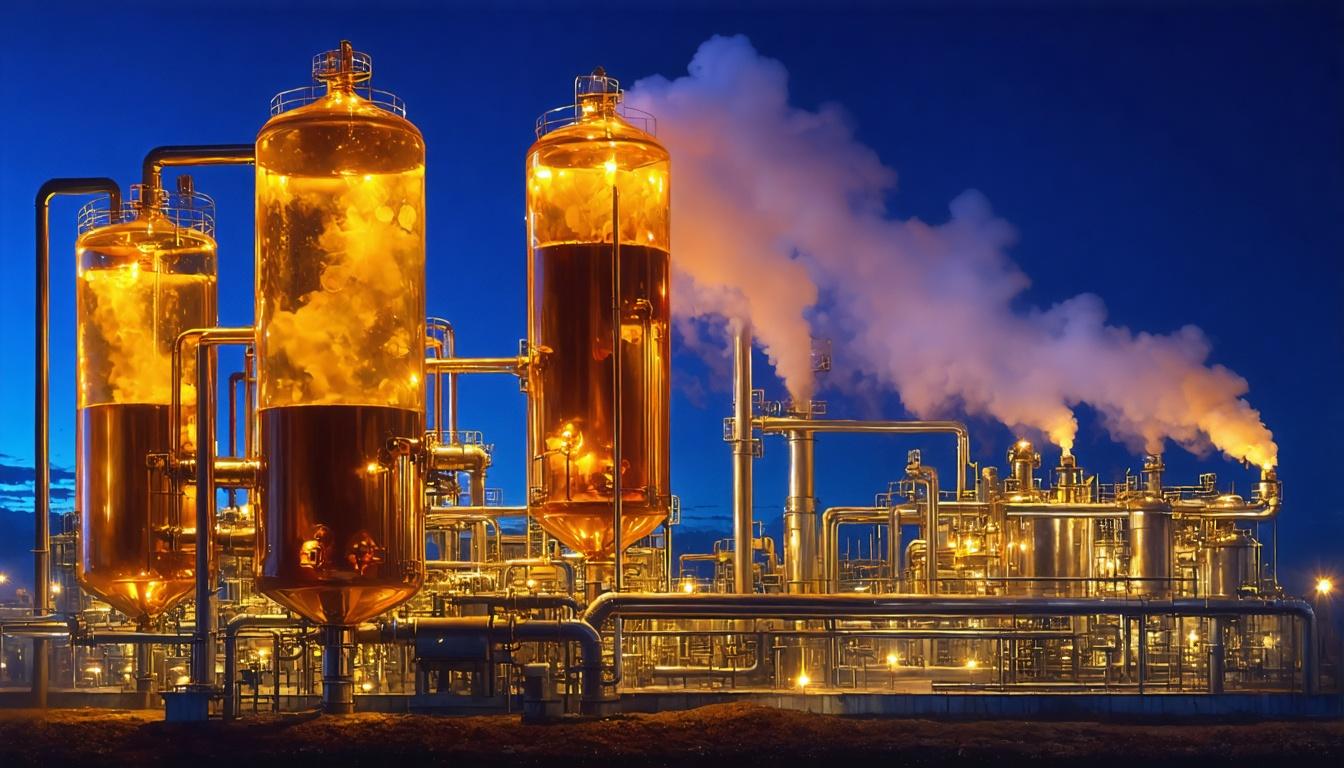
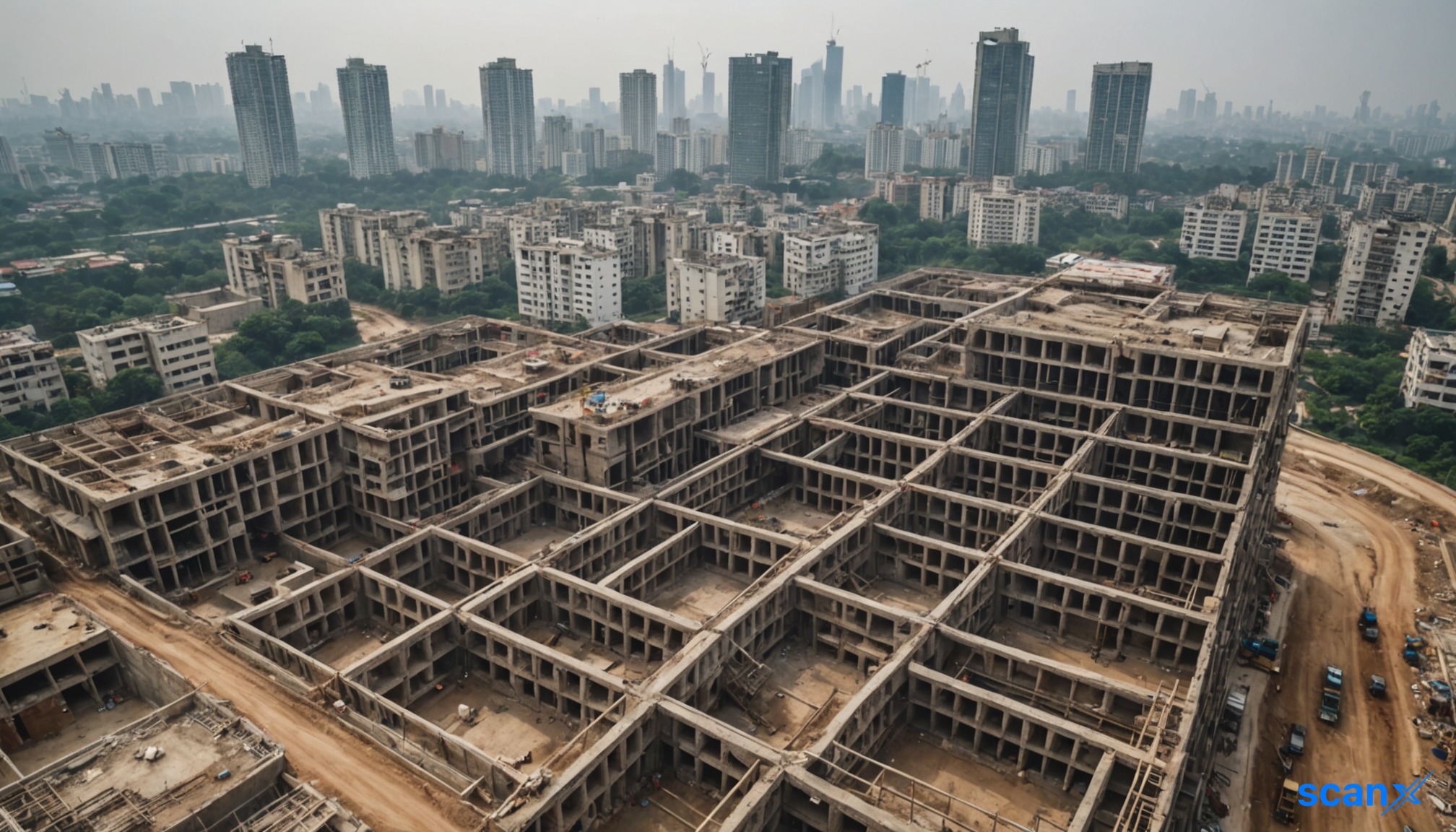
*this image is generated using AI for illustrative purposes only.
Deepak Nitrite Limited subsidiary Deepak Chem Tech Limited has approved a major expansion into Bisphenol A (BPA) manufacturing, signaling a strategic move to deepen its integration across the chemical value chain. The Board of Directors of Deepak Chem Tech Limited cleared the project on August 4, 2026, approving an estimated investment of ₹2,500 crore. This capital expenditure covers the construction of a greenfield manufacturing complex with a capacity of up to 240 KTA for BPA, along with associated infrastructure development.
The approval follows previous board decisions to establish India's first Polycarbonate resin manufacturing plant, leveraging technology from Trinseo, and to set up a Phenol & Acetone manufacturing unit. With the addition of the BPA facility, Deepak Nitrite is constructing a highly integrated platform that spans from Cumene to Phenol & Acetone, BPA, and Polycarbonate resin, including downstream compounding. This vertical integration strategy allows the company to secure captive requirements for its Polycarbonate resin production while simultaneously positioning itself to serve external markets.
Project Details and Funding
The approved investment of ₹2,500 crore is an estimate that will be firmed up upon the completion of detailed engineering studies. The project financing will be structured through an appropriate mix of debt and equity, ensuring balanced leverage as the company scales its operations. The BPA plant is designed not only to support internal consumption but also to capitalize on the rapidly growing Indian demand for BPA, which is primarily used in the manufacture of Epoxy resins.
| Parameter | Detail |
|---|---|
| Project | Bisphenol A (BPA) Manufacturing Plant |
| Capacity | Up to 240 KTA |
| Estimated Investment | ₹2,500 Crore |
| Funding Mix | Debt and Equity |
| Approval Date | August 4, 2026 |
Strategic Implications
The move towards full vertical integration reduces dependency on external suppliers for critical intermediates like BPA, thereby enhancing supply chain resilience and potentially improving margins through cost efficiencies. By producing BPA internally, Deepak Nitrite can meet the captive needs of its new Polycarbonate resin plant, which relies on BPA as a key raw material. Furthermore, the ability to sell surplus BPA in the open market diversifies revenue streams and exposes the company to the high-growth Epoxy resins sector, which is essential in industries ranging from automotive to electronics.
What the Numbers Show
The scale of the ₹2,500 crore investment underscores Deepak Nitrite’s commitment to long-term capacity expansion despite broader macroeconomic uncertainties. The decision to fund this through a mix of debt and equity suggests a calculated approach to balance sheet management, avoiding excessive dilution or leverage spikes. The integration from Cumene all the way to downstream compounding represents a significant shift from a specialty chemicals manufacturer to a comprehensive materials solutions provider, likely altering the company’s risk profile and competitive moat in the Indian chemical industry.
Historical Stock Returns for Deepak Nitrite
| 1 Day | 5 Days | 1 Month | 6 Months | 1 Year | 5 Years |
|---|---|---|---|---|---|
| +0.26% | -6.51% | -16.05% | +10.69% | -18.72% | -37.18% |

How might the ₹2,500 crore debt-equity mix impact Deepak Nitrite's credit ratings and cost of capital in the current interest rate environment?
What is the projected timeline for the BPA plant to reach full capacity, and how does this align with the commissioning schedule of the Polycarbonate resin facility?
How will the entry into the BPA market affect pricing dynamics and competitive positioning against established players like Reliance Industries or foreign exporters?
 19
19






 Create Custom Screeners
  Access 200+ Pre-built Filters
  Use 50+ Readymade Screener





