

Deepak Fertilisers Q1 Results: Net profit doubles to ₹490 crore


Deepak Fertilisers reported record Q1FY27 EBITDA of ₹845 crore and PAT of ₹490 crore, driven by higher realizations and cost efficiencies from its Equinor LNG contract. Revenue grew 22% YoY to ₹3,256 crore. Net debt improved to 1.4x EBITDA despite ₹500 crore in capex, with major expansion projects nearing completion.


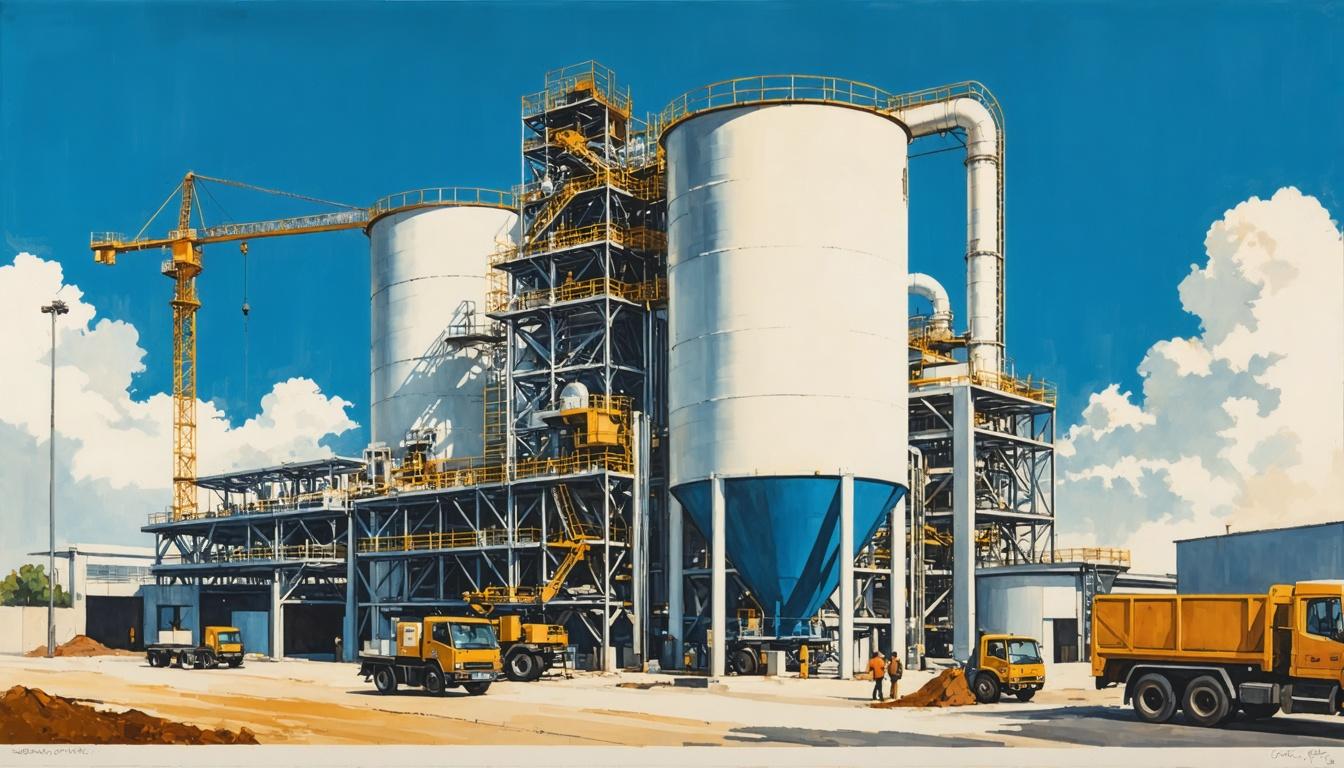
*this image is generated using AI for illustrative purposes only.
Deepak Fertilisers & Petrochemicals delivered its strongest quarterly performance in company history during Q1FY27, reporting a record operating EBITDA of ₹845 crore and net profit after tax (PAT) of ₹490 crore. The results, discussed in an earnings conference call held on July 31, 2026, reflect a 65% year-on-year surge in EBITDA and a 101% jump in PAT, underpinned by robust pricing in mining and industrial chemicals and the initial benefits of its integrated gas-to-ammonia value chain. Consolidated revenue reached ₹3,256 crore, up 22% from the previous year and 8% quarter-on-quarter.
The filing was made pursuant to Regulation 30(6) read with Part A of Schedule III of the SEBI (Listing Obligations and Disclosure Requirements), Regulations 2015. Chairman and Managing Director Sailesh Mehta attributed the performance to three strategic pillars: the resilience of its integrated value chain anchored by a 15-year LNG contract with Equinor, alignment with India’s infrastructure and agricultural growth stories, and a shift toward specialty products that command price premiums. President and CFO Subhash Anand noted that the strong financials were achieved despite temporary volume disruptions in the mining chemical segment due to changes in the PESO portal guidelines.
Segment Performance
The mining chemical business remained resilient, generating revenue of approximately ₹911 crore, a 37% year-on-year increase, despite volumes settling at 130 kilotons due to logistical supply chain disturbances. The business-to-consumer (B2C) strategy gained traction, with B2C revenue growing 42% to ₹151 crore, contributing 17% of the segment’s total revenue. Industrial chemical revenue stood at around ₹490 crore, supported by stable nitric acid volumes and improved pharma-grade demand for isophthalic acid (IPA), although IPA volumes faced constraints from limited propylene availability. Crop nutrition revenue rose 9% year-on-year to approximately ₹1,367 crore, driven by a 4% growth in manufactured NPK sales and steady performance from CropTek, which now accounts for 43% of the segment’s revenue.
| Segment | Revenue (₹ crore) | YoY Change | Key Drivers |
|---|---|---|---|
| Mining Chemical | ~911 | +37% | Stronger realization; B2C growth |
| Industrial Chemical | ~490 | N/A | Stable nitric acid; pharma demand |
| Crop Nutrition | ~1,367 | +9% | NPK sales growth; specialty mix |
| Consolidated | 3,256 | +22% | Higher realizations across all units |
Balance Sheet and Capital Expenditure
Despite incurring over ₹500 crore in capital expenditure during the quarter, Deepak Fertilisers strengthened its balance sheet. Net debt reduced to ₹4,719 crore, bringing the debt-to-EBITDA ratio down from 2.86x to 1.4x. Total spending on strategic growth projects reached approximately ₹3,850 crore as of Q1. The Gopalpur TAN project is 96% complete, and the Dahej nitric acid project is 93% complete, with both expected to commence operations in Q2FY27. Management confirmed that both projects remain within their approved capex envelopes and are on schedule for commissioning.
A significant milestone was the commencement of LNG supplies under the long-term agreement with Equinor, with the first cargo received in May. This integration enhances supply security and cost visibility. Approximately 80% of the ammonia produced is consumed captive, with the surplus sold in the merchant market. The ammonia plant has been debottlenecked, achieving an average utilization of 94% in the quarter, up from previous constraints.
What the Numbers Show
The divergence between volume trends and margin expansion highlights the structural shift in Deepak Fertilisers’ profitability drivers. While mining chemical volumes were lower at 130 kilotons and IPA volumes faced propylene constraints, the overall EBITDA margin expanded to 26% from 19% in the same quarter last year. This indicates that pricing power and cost optimization through the Equinor LNG contract are now outweighing volume headwinds. Furthermore, the rapid improvement in the debt-to-EBITDA ratio to 1.4x, despite peak capex spending, demonstrates strong operational cash generation, positioning the company for deleveraging once the new capacities come online in Q4FY27.
Historical Stock Returns for Deepak Fertilisers & Petrochemicals
| 1 Day | 5 Days | 1 Month | 6 Months | 1 Year | 5 Years |
|---|---|---|---|---|---|
| +0.17% | +7.05% | +3.47% | +32.72% | -9.82% | +231.22% |

How will the commissioning of the Gopalpur TAN and Dahej nitric acid projects in Q2FY27 impact Deepak Fertilisers' capacity utilization and market share in the specialty chemicals segment?
What is the long-term strategic plan for managing propylene supply constraints that are currently limiting isophthalic acid (IPA) volumes in the industrial chemical segment?
Given the 15-year LNG contract with Equinor, how does management anticipate hedging against potential volatility in global LNG prices over the next decade?
 18
18






 Create Custom Screeners
  Access 200+ Pre-built Filters
  Use 50+ Readymade Screener





