

CSN Q2FY26 Results: Consolidated EBITDA rises 5%, cement hits record


- Consolidated EBITDA rose 5% YoY in Q2 2026, driven by broad-based operational improvements.
- Cement segment posted record EBITDA for the second consecutive quarter with margins above 30%.
- Free cash flow turned positive at BRL 808 million, aided by working capital releases.
- Net debt leverage increased slightly from 3.36x to 3.49x due to prepayment amortization.
- Company issued new 2030 bonds with 77% adherence to support deleveraging efforts.

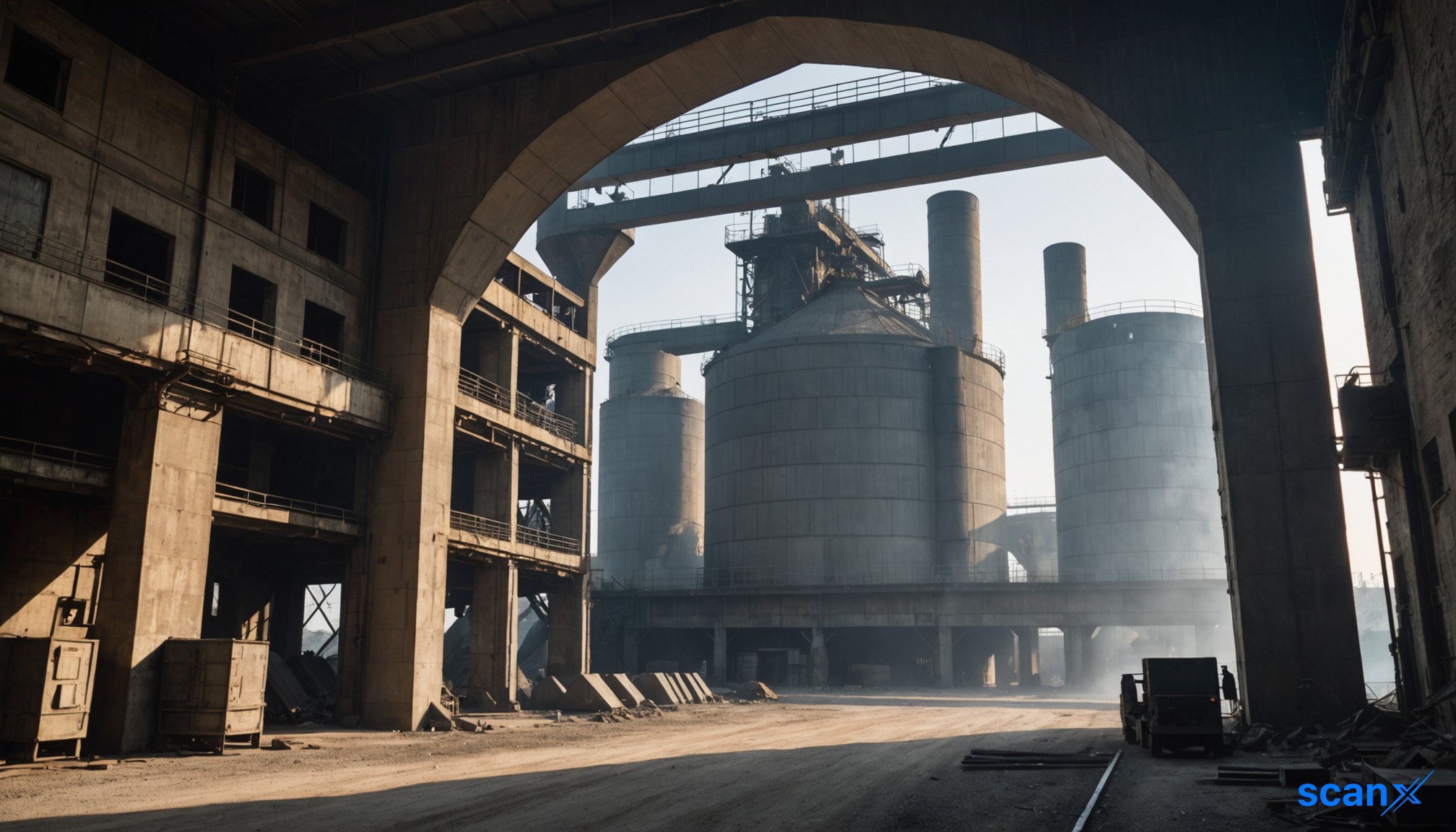

*this image is generated using AI for illustrative purposes only.
Companhia Siderurgica (NYSE: SID) reported a 5% increase in consolidated EBITDA for the second quarter of 2026, driven by improved operational performance across its diversified segments. The diversified industrial group generated positive free cash flow of BRL 808 million, marking a reversal from previous negative quarters.
The company successfully concluded a new 2030 bond issuance with 77% adherence, reflecting investor confidence in its deleveraging strategy. Management emphasized that ongoing asset sales in the cement and logistics segments, alongside working capital optimization, will further reduce net debt and extend maturity profiles.
Segment Performance
The steel segment saw a recovery in profitability, with margins returning to double digits at 10.5%. Domestic sales expanded 10% year-on-year, supported by anti-dumping measures that reduced import penetration. International operations also contributed, with European sales rising 36% annually.
| Segment | Key Metric | Performance Note |
|---|---|---|
| Steel | EBITDA Margin | Recovered to double digits (10.5%) |
| Cement | EBITDA | Highest in history for second consecutive quarter |
| Mining | Sales Volume | Fourth best result in history despite 15-day shutdown |
| Logistics | EBITDA Margin | Maintained above 45% |
The cement segment delivered its highest EBITDA in history for the second consecutive quarter, exceeding BRL 420,000 with a margin above 30%. This performance was driven by resilient demand, higher prices, and a strategic focus on value over volume. The mining segment recorded its fourth-best sales result in history, maintaining an EBITDA margin above 30% despite a 15-day operational shutdown and higher freight costs.
Financial Position & Deleveraging
Free cash flow turned positive at BRL 808 million, primarily due to working capital releases and fundraising activities. This offset substantial debt amortization and prepayment contract costs. However, net debt increased slightly as leverage rose from 3.36x to 3.49x, attributed to the amortization of iron ore prepayments and exchange rate effects.
What the Numbers Show
The divergence between positive free cash flow and rising net debt highlights the impact of specific balance sheet adjustments rather than operational cash burn. While operations generated strong cash, the amortization of iron ore prepayment contracts and foreign exchange movements on existing debt increased the net debt figure. This suggests the underlying operational cash generation is robust, but capital structure management remains sensitive to contractual amortization schedules and currency fluctuations.
Strategic Outlook
Management outlined plans to reduce inventory levels from 3 million to 1 million units, aiming to release additional working capital in the second half of the year. The company is actively pursuing binding offers for the sale of its cement assets and non-binding proposals for a minority stake (20-30%) in its logistics unit. These divestments are central to the deleveraging plan, which aims to lengthen debt maturity terms and reduce overall leverage.
Anti-dumping measures remain critical for the steel business, with management noting a significant decline in imports benefiting domestic market share. The company expects sustained profitability improvements across all segments in the second half of 2026, supported by operational efficiency gains and favorable market dynamics.

How might the completion of the cement asset sale and logistics minority stake divestment impact Companhia Siderurgica's net debt-to-EBITDA ratio by the end of 2026?
What are the potential risks to the steel segment's double-digit margins if anti-dumping measures face legal challenges or if global import volumes rebound in the second half of the year?
Could the planned reduction of inventory from 3 million to 1 million units signal a shift in demand expectations, and how will this working capital release affect future free cash flow generation?
 15
15





 Access Market Heat-map & Insights
  Create, Save & Share your Screener
  Use 200+ Screening Filters





