

Chipotle stock falls as dining traffic drops 2.4%, Seaport sets Neutral


- Chipotle stock fell 1.78% to $34.21 after Placer AI reported a 2.4% YoY drop in August dining traffic.
- Seaport Global initiated coverage with a Neutral rating, citing a 200 bps headwind from food-safety outbreaks.
- Q2 same-store sales rose 2.2%, beating expectations; full-year outlook raised to low-single-digit growth.
- Pricing expected to rise to 2.5% in H2 from 1% in H1, supported by menu innovation and throughput gains.


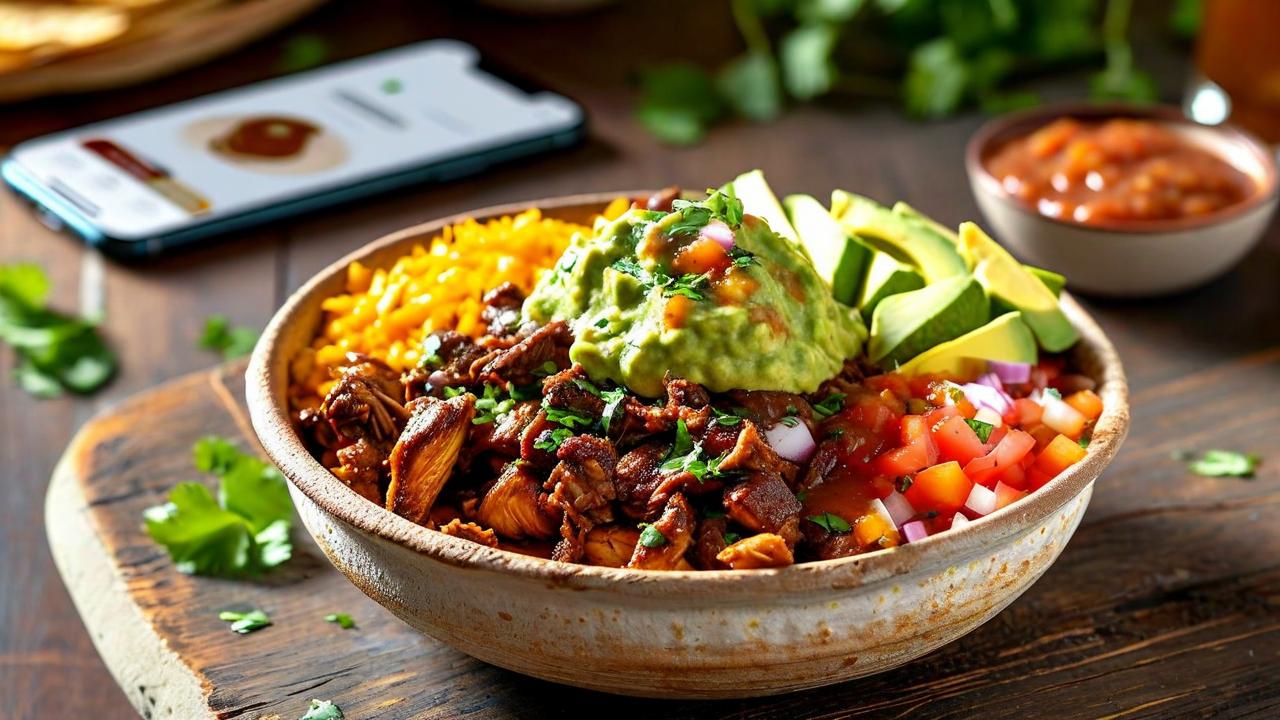
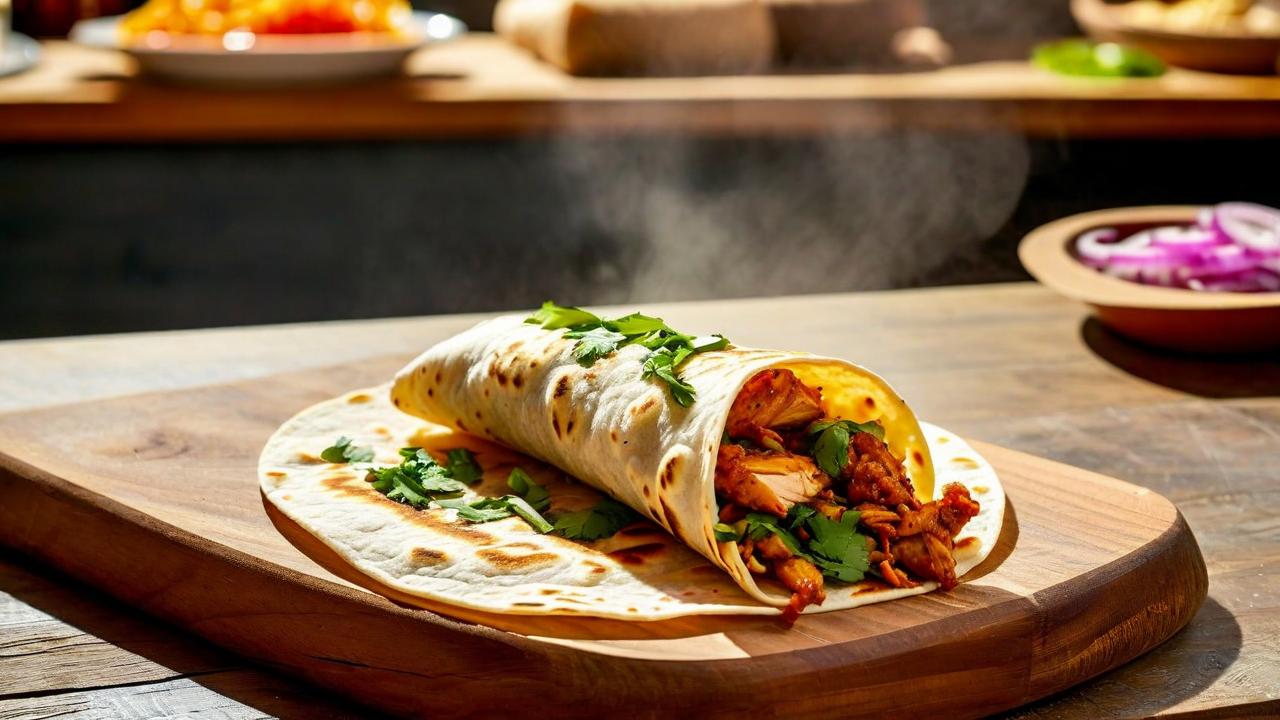
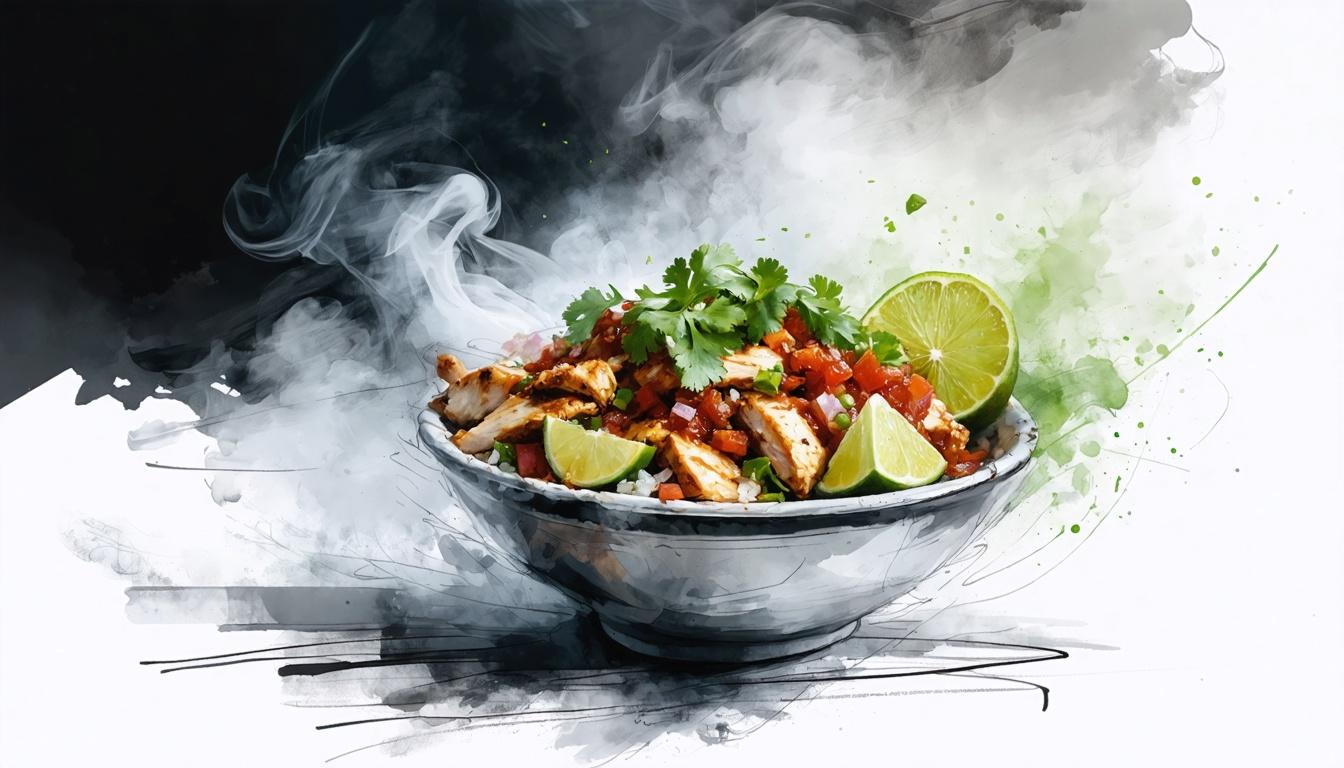
*this image is generated using AI for illustrative purposes only.
Chipotle Mexican Grill (NYSE: CMG) shares extended their decline on Wednesday, falling 1.78% to $34.21. The drop followed a second consecutive session of losses triggered by weak consumer traffic data and cautious analyst coverage.
Dining Traffic Weakens
A report from Placer AI showed U.S. dining-chain visits fell 2.4% year over year in August. In contrast, retail visits rose 0.3%, although this growth slowed from 1.7% in July. Calendar timing contributed to the weakness, with Labor Day falling on Sept. 7 this year versus Sept. 1 in 2025, shifting the holiday weekend out of August.
Consumers faced higher costs, with food-away-from-home prices rising 3.4% year over year compared to a 2.2% increase for groceries. Consumer sentiment also declined from July. These trends could pressure restaurant sales and margins as operators face elevated labor and operating costs.
Seapport Flags Recovery Challenges
Seaport Global initiated coverage on Chipotle with a Neutral rating. Senior analyst Eric Gonzalez called Chipotle the "undisputed leader" in fast casual, expecting systemwide sales to top $13 billion this year. Average unit volumes exceed $3 million, while restaurant-level margins remain in the mid-20% range. New-unit returns above 60% rank among the industry’s highest.
Second-quarter same-store sales rose 2.2%, beating expectations. Seaport credited menu innovation, a revamped rewards program, and marketing efforts. However, an industrywide Cyclospora outbreak created an estimated 200-basis-point run-rate headwind. A separate Salmonella outbreak tied to jalapeños added volatility. Seaport believes these effects are contained and expects improvement in the fourth quarter and into 2027.
Chipotle guided to about 1% same-store sales growth for the third quarter. It raised its full-year outlook to low-single-digit growth from its prior flat forecast. Seaport noted that underlying trends near 3% offer some encouragement.
Menu And Throughput Catalysts
Chipotle has doubled its pace of protein innovation to four launches a year. Seaport pointed to Pollo Asado, Cilantro Lime Chips, and potential additions such as Smoked Brisket. Pricing is expected to rise to about 2.5% in the second half from roughly 1% in the first half.
Chipotle’s high-efficiency equipment package is expected to reach about 2,000 restaurants by year-end. The equipment is already driving throughput gains of two to three entrées per 15 minutes during peak periods.
What the Numbers Show
The divergence between Chipotle’s operational metrics and its stock valuation highlights investor caution. While new-unit returns exceed 60% and average unit volumes surpass $3 million, the stock trades at roughly 28 times forward earnings. Seaport views this multiple as close to fair value, suggesting that despite strong unit economics, the market is pricing in significant risk from food-safety disruptions and margin pressure from necessary investments in labor and quality.
Why Seaport Stays Neutral
Despite these catalysts, Gonzalez said the underlying growth debate remains unresolved. Chipotle may need continued investment in portions, labor, food quality, rewards, and discounts to restore stronger traffic. Those investments could limit margin recovery. Seaport sees Chipotle entering a more mature growth phase, expecting mid-to-high-teens EPS growth but maintaining its Neutral rating due to the valuation.

How might the projected 2.5% price increase in the second half impact consumer traffic given the current 3.4% rise in food-away-from-home inflation?
Will the rollout of high-efficiency equipment to 2,000 stores be sufficient to offset margin pressures from rising labor and ingredient costs?
What specific metrics will investors monitor in Q4 to confirm that the Cyclospora and Salmonella outbreak headwinds have fully dissipated?
 18
18





 Create Custom Screeners
  Access 200+ Pre-built Filters
  Use 50+ Readymade Screener





