

Chinese memory chips threaten Micron, SanDisk margins


Citi Wealth’s CIO Weekly Bulletin warns that Chinese DRAM and NAND chips gaining international recognition could pressure global pricing. This shift threatens to erode the pricing power of incumbent vendors like Micron Technology Inc., SanDisk, and Western Digital Corp. The increased competition may lead to lower peak margins and deeper troughs for these companies.


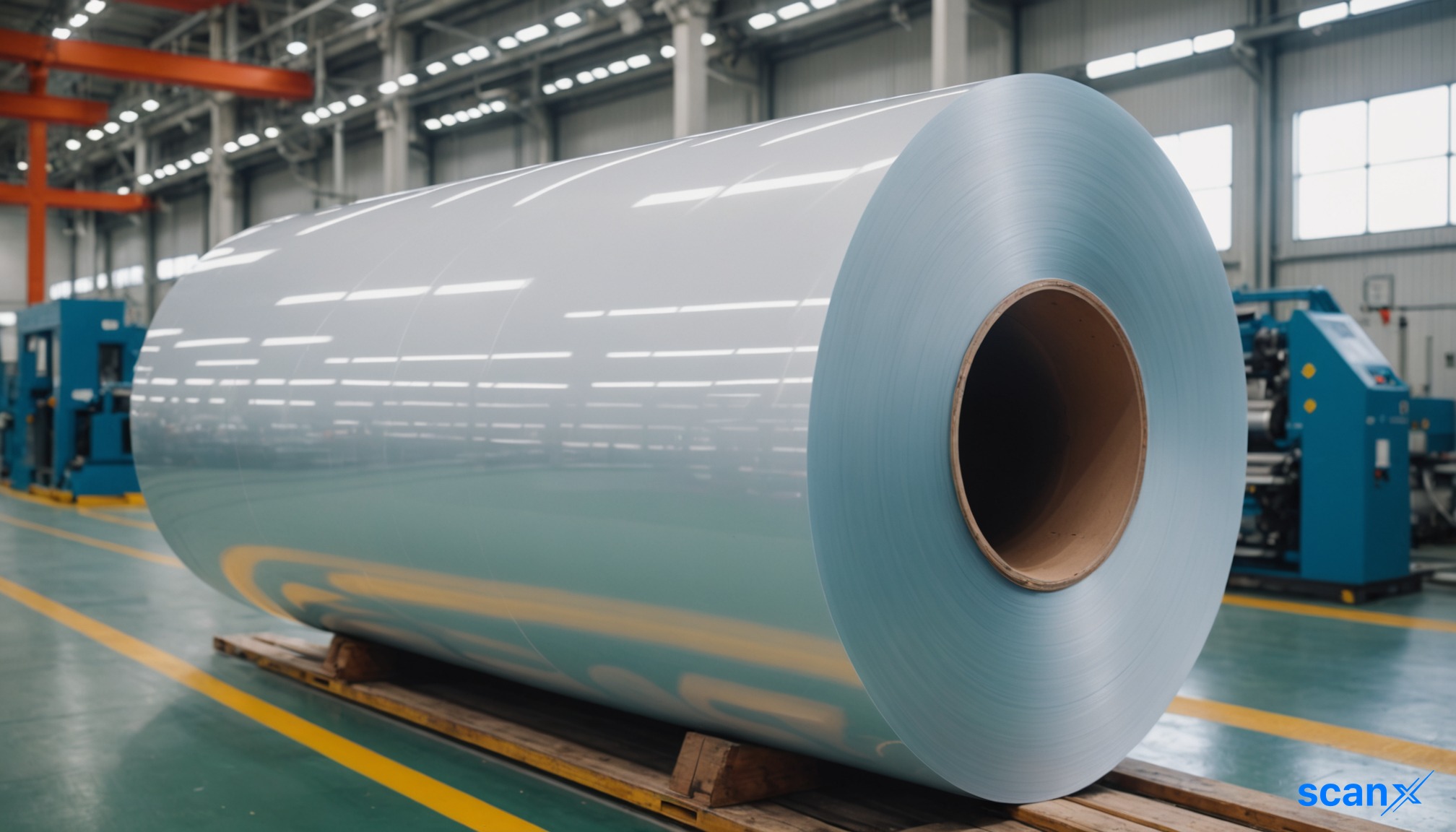
*this image is generated using AI for illustrative purposes only.
Citi Wealth’s CIO Weekly Bulletin warns that Chinese DRAM and NAND chips gaining international recognition could pressure global pricing. This emerging validation of Chinese suppliers represents a competitive risk for incumbent non-China vendors like Micron Technology Inc., SanDisk, and Western Digital Corp. The shift threatens to erode the pricing power of established leaders in the memory market.
As buyers start to view Chinese DRAM and NAND as acceptable alternatives rather than last-resort substitutes, pricing power at established leaders could erode. Citi points directly to global price pressure risk, noting that China’s chips gaining recognition could pressure global memory pricing. In practice, hyperscalers and other customers suddenly have more credible suppliers to play off against Micron and SanDisk in contract negotiations.
Even if Chinese producers remain a step behind on power efficiency or density, their willingness to compete aggressively on price can cap upside in contract DRAM and NAND. This is particularly relevant in commoditized segments like client SSDs, mobile LPDDR, and mid-range enterprise storage. When the memory cycle turns down, additional low-cost capacity from China makes each downturn harsher and delays the usual healing via disciplined supply cuts, warns Citi.
For Micron and SanDisk, the threat is less about an overnight loss of share and more about a persistent margin overhang narrative. Investors have historically paid up when a handful of global champions could consolidate supply, ride demand shocks from AI and cloud, and then restore profitability through controlled capital spending.
A world in which Chinese DRAM and NAND become standard line items for global procurement desks complicates that playbook. It suggests lower peak margins in up-cycles, deeper troughs in down-cycles, and more volatile returns on incremental fabs and technology transitions. The Citi bulletin captures this asymmetry: recognition for China’s memory producers is a positive development for the new entrants, but it is a valuation headwind for incumbents whose earnings power rests on the assumption that the supply remains tight.

How might incumbent vendors adjust their capital expenditure strategies to mitigate the margin pressure from low-cost Chinese competitors?
Will the threat of commoditized pricing accelerate the consolidation of non-China memory manufacturers?
Could hyperscalers leverage Chinese suppliers to negotiate better terms, potentially shifting the balance of power in the supply chain?
 19
19






 Access Market Heat-map & Insights
  Create, Save & Share your Screener
  Use 200+ Screening Filters





