

Broadcom AI revenue jumps 221% in Q3; raises FY27 guide to $115bn


- Broadcom AI revenue surged 221% YoY to $16.7 billion in Q3, beating consensus of $15.9 billion
- Fiscal 2027 AI revenue guidance raised to $115 billion; FY28 projected at $230 billion
- Total Q3 revenue reached $29.6 billion with EPS of $3.32, both exceeding estimates
- Shares fell 6.7% despite upbeat results due to supply constraints capping immediate growth



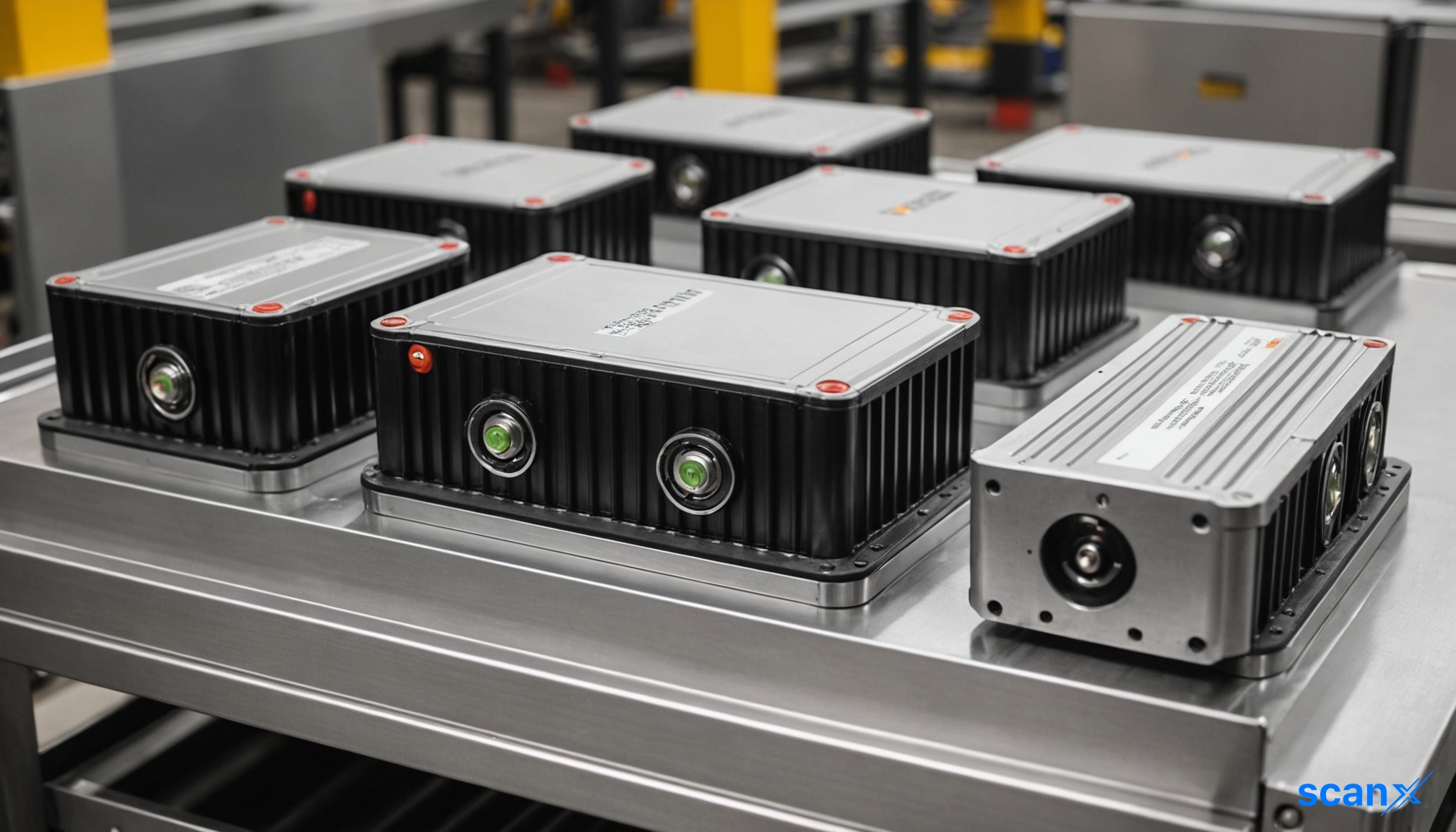
*this image is generated using AI for illustrative purposes only.
Broadcom Inc (NASDAQ: AVGO) reported a 221% year-over-year surge in third-quarter AI-related revenue to $16.7 billion, beating consensus estimates of $15.9 billion. The chipmaker also raised its fiscal 2027 AI revenue guidance to $115 billion, citing robust demand that continues to outpace current supply capabilities.
Earnings Performance
Broadcom’s total revenue for the quarter reached $29.6 billion, exceeding the consensus estimate of $29.2 billion. Earnings per share came in at $3.32, topping the expected $3.22.
The AI segment drove the growth, with XPU revenues up 250% year-over-year and networking revenues rising more than 150%. Sequentially, AI revenue grew by 54%. For the fourth quarter, management guided total revenue at $34.8 billion, in line with expectations, though implied earnings of $3.79 per share fell slightly short of the consensus estimate of $3.85 per share.
Long-Term Guidance and Supply Constraints
Broadcom significantly upgraded its long-term outlook, projecting AI revenue of approximately $230 billion in fiscal 2028. This implies total fiscal 2028 revenue of around $285 billion, which is about $50 billion above consensus estimates. Management also guided fiscal 2028 earnings to exceed $30 per share, well above the consensus of $26.38 per share.
Despite the strong numbers, analysts note that the company remains "severely supply-constrained." Rosenblatt Securities analyst Sajal Dogra highlighted that while Broadcom has secured sufficient supply to support these figures, factors such as power availability, shell readiness, and physical deployment continue to constrain the outlook. Demand is currently running above the company’s guidance levels.
Cantor Fitzgerald analyst C.J. Muse noted that buy-side expectations for fiscal 2027 AI revenue were as high as $140 billion, whereas Broadcom raised its guidance from a prior outlook of over $100 billion to $115 billion. JPMorgan analyst Harlan Sur added that Broadcom expects AI semiconductor revenue to double from around $58 billion in fiscal 26 to about $115 billion in fiscal 2027, then double again to approximately $230 billion in fiscal 2028.
Analyst Reactions
Several major banks raised their price targets following the results:
- Rosenblatt Securities: Reiterated Buy rating, raised price target from $500 to $600.
- Cantor Fitzgerald: Maintained Overweight rating, lifted price target from $525 to $600.
- KeyBanc Capital Markets: Reaffirmed Overweight rating and price target of $575.
- JPMorgan: Maintained Overweight rating and price target of $580.
JPMorgan analyst Harlan Sur noted that Broadcom’s customer diversification, including deals with Alphabet Inc (NASDAQ: GOOGL), Meta Platforms Inc (NASDAQ: META), Anthropic, and OpenAI, is a strong positive. He suggested that if Broadcom faces similar supply constraints as NVIDIA Corp (NASDAQ: NVDA), underlying demand could exceed $145 billion in fiscal 2027 and $270 billion in fiscal 2028.
Rosenblatt Securities analyst Sajal Dogra stated that upside to this outlook would depend on "Broadcom's ability to unlock additional supply capacity and on customers completing their data-center deployments on schedule." He further noted this creates a "longer and stronger revenue pipeline" for the company as roughly 30GW is deployed through fiscal 2028 and beyond.
Market Reaction
Shares of Broadcom declined 6.7% to $342.61 on Thursday, falling to levels last seen in April 2026. At one point, shares had declined by 5.44% to $347.27. Despite the drop, Future Fund Managing Partner Gary Black viewed the reaction as an overreaction, pointing to CEO Hock Tan’s comments that AI chip demand exceeds shipping capabilities. The stock trades within a 52-week range of $289.96 to $495.00.
What the Numbers Show
The divergence between the stock price decline and the significant beat on AI revenue estimates suggests market focus on near-term valuation rather than operational execution. With Q3 AI revenue beating estimates by $800 million and FY26 guidance raised by $2 billion, the data indicates accelerating monetization of AI infrastructure demand. However, the explicit mention of supply constraints limiting the realization of even higher potential demand ($145bn+ in FY27) highlights a structural bottleneck that may temper immediate growth trajectories despite the massive order book.

How might Broadcom's severe supply constraints impact its competitive positioning against NVIDIA if capacity bottlenecks persist into fiscal 2027?
What specific strategies is Broadcom pursuing to mitigate power availability and data-center deployment delays that are currently capping revenue potential?
Could the divergence between the stock's 6.7% decline and the significant earnings beat signal a broader market rotation away from high-valuation AI infrastructure plays?
 17
17














 Access 50+ Readymade Screeners
  Use 200+ Custom Filters
  Get Full Market Insights





