

Silver Hits All-Time High of $83.62 Per Ounce, Up 15% in 2026 Amid Supply Crisis


Silver has achieved a new all-time high of $83.62 per ounce, gaining approximately 15% in 2026, supported by a five-year structural supply deficit and robust industrial demand from solar power, electric vehicles, and electronics sectors. The rally is underpinned by constrained supply conditions, with 70% of production coming as by-products and inventories at multi-year lows globally.


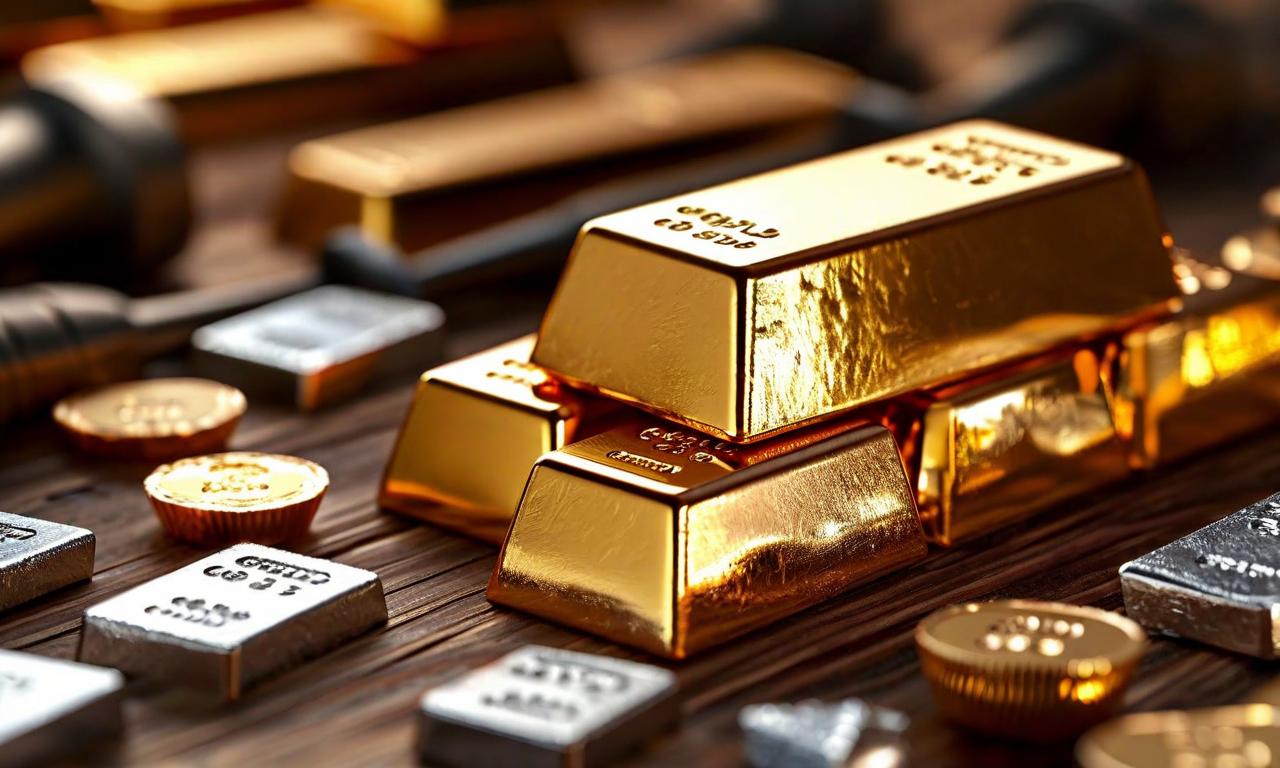
*this image is generated using AI for illustrative purposes only.
Silver markets have reached unprecedented territory with prices climbing to an all-time high of $83.62 per ounce, marking impressive gains of approximately 15% in 2026. The rally reflects a combination of constrained supply conditions, robust industrial demand, and supportive global macroeconomic factors that continue to drive the precious metal to historic levels.
Record Performance and Market Dynamics
The latest price surge builds upon previous records, with domestic Indian markets having recently touched ₹2,33,311 per kilogram. The sustained momentum demonstrates what analysts characterize as a structural market transformation driven by fundamental supply-demand imbalances rather than speculative trading.
| Performance Metric | Current Data |
|---|---|
| All-Time High (Global) | $83.62 per ounce |
| 2026 Gains | ~15% |
| Previous Domestic High | ₹2,33,311 per kg |
| Previous Global Record | $84 per ounce |
Industrial Demand Drives Structural Support
Axis Securities highlights that silver remains well-supported by strong industrial consumption and improving investment flows. The brokerage emphasizes demand from solar power installations, electric vehicles, electronics manufacturing, and automotive components as key drivers maintaining market focus. Countries accelerating energy-transition plans have particularly bolstered consumption patterns, with India's push to expand solar capacity adding significant domestic demand.
The industrial applications underscore silver's evolving role as a critical component in clean energy infrastructure and technological advancement, supporting Kedia Advisory's characterization of silver as a vital digital-age metal.
Five-Year Supply Deficit Creates Structural Shortage
Data from the Silver Institute reveals that global silver markets have experienced a structural deficit for five consecutive years, with demand consistently outpacing supply. The supply situation faces additional constraints as approximately 70% of silver production comes as a by-product of other metals, limiting the industry's ability to respond quickly to higher prices.
| Supply Challenge | Impact |
|---|---|
| Consecutive Deficit Years | 5 years |
| By-product Production | ~70% of total output |
| Inventory Status | Multi-year lows globally |
| Mine Output Trend | Flat production levels |
Flat mine output, declining ore grades, and modest recycling flows have maintained availability constraints, while inventories in key markets including London, China, and the United States remain at multi-year lows. The situation has been further complicated by China's tighter export controls on silver, which could restrict global shipments from one of the world's largest producers.
Analyst Targets and Investment Outlook
Market analysts maintain constructive outlooks despite acknowledging potential volatility. Previous projections from Motilal Oswal included domestic targets of ₹2,46,000 per kilogram with buy-on-dips strategies, while Kedia Advisory has projected long-term targets reaching ₹3,00,000 per kilogram.
| Brokerage View | Strategy | Key Factors |
|---|---|---|
| Axis Securities | Constructive medium-term | Industrial demand, ETF inflows |
| InCred Money | Positive long-term | Supply-demand imbalance |
| Tata Mutual Fund | Supportive outlook | Fundamental drivers |
Investment demand has strengthened following a turnaround in silver ETF flows, with recent inflows offsetting earlier liquidation periods. Geopolitical uncertainty and elevated global debt levels have reinforced silver's appeal as both an industrial and precious metal.
Macro Support and Risk Considerations
A softer US dollar and expectations of future rate cuts have provided additional support for precious metals. Lower global yields typically improve the appeal of non-yielding assets like silver, while currency movements can amplify price movements in domestic markets.
Analysts from InCred Money and Tata Mutual Fund acknowledge that while short-term corrections cannot be ruled out, particularly amid profit-taking or changes in rate expectations, the broader trend remains anchored in demand-supply imbalances rather than speculative excess. The current performance reflects a market driven by industrial necessity, constrained supply, and supportive macro conditions.
 19
19











 Create Custom Screeners
  Access 200+ Pre-built Filters
  Use 50+ Readymade Screener





