

US Tariffs Cripple Indian Leather Industry: 50 Tamil Nadu Factories Shut Down


The Indian leather industry is facing significant challenges due to 50% US tariffs imposed by the Trump administration. At least 50 factories in Tamil Nadu's Ambur region have closed. India's leather exports to the US reached $1 billion, with Tamil Nadu, Agra, and Kanpur accounting for 70% of these exports. The industry is losing market share to competitors like Vietnam and China. Some tanneries are relocating to countries with lower tariffs, while others are switching to alternative materials. US buyers are demanding discounts or reducing orders. Industry bodies have appealed for government support, including interest equalization schemes and export aid. Nearly 100 tanneries face potential closure, putting the sector at a critical juncture.

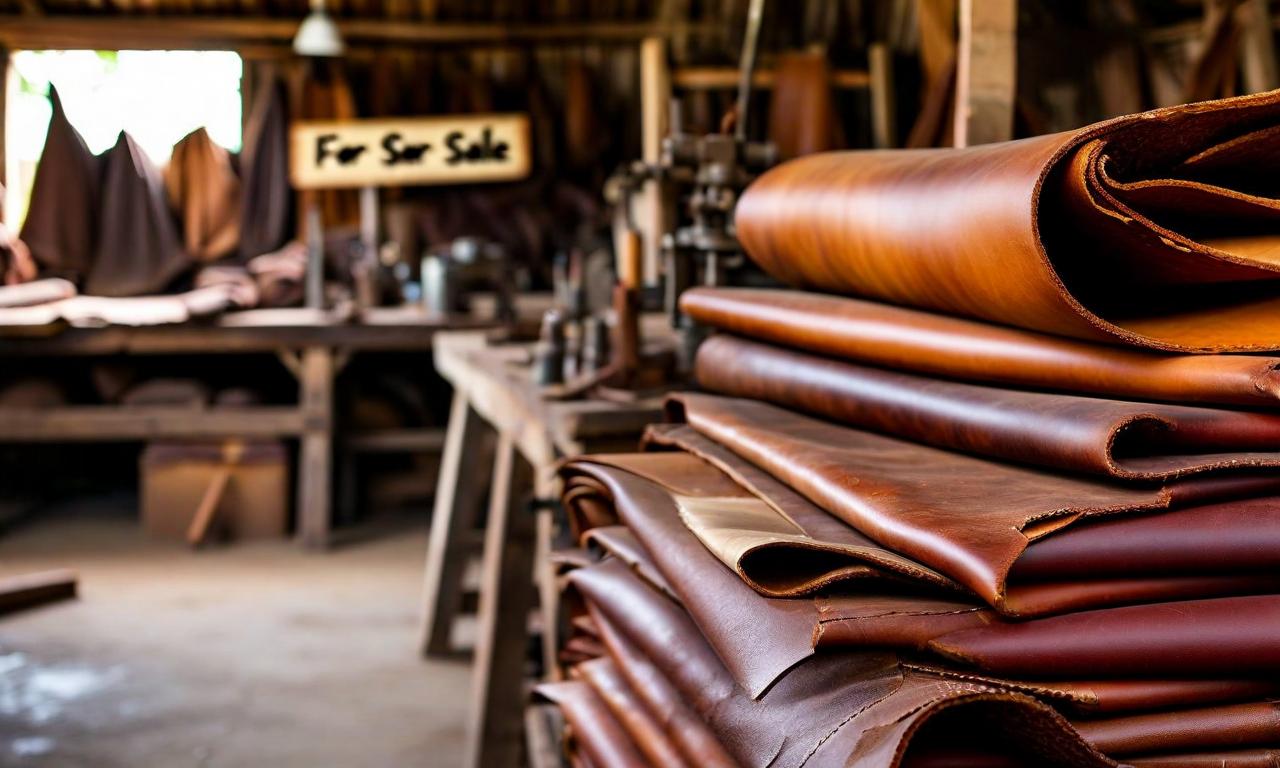

*this image is generated using AI for illustrative purposes only.
The Indian leather industry is facing severe headwinds as US tariffs imposed by the Trump administration continue to take their toll. The 50% tariff rate has led to the closure of at least 50 factories in Tamil Nadu's Ambur region, a key hub for leather production in India.
Export Figures and Market Share
India's leather and non-leather footwear exports reached $4.40 billion, with the US market accounting for $1.00 billion of this total. The impact is particularly pronounced in Tamil Nadu, where half of the state's leather exports are destined for the United States. Tamil Nadu, along with Agra and Kanpur, collectively represents 70% of Indian leather exports to America, primarily consisting of belts, bags, shoes, and wallets.
Industry Challenges and Adaptations
The steep tariffs have forced the Indian leather industry to confront significant challenges:
Loss of Market Share: India is losing ground to competitors such as Vietnam, China, Indonesia, Bangladesh, and Mexico.
Relocation of Operations: Some tanneries are moving their operations to countries with lower tariff rates, including Vietnam and Bangladesh.
Material Shifts: Other manufacturers are adapting by switching to alternative materials to mitigate the impact of the tariffs.
Pricing Pressures: US buyers are demanding substantial discounts or reducing order volumes from Indian suppliers, further squeezing profit margins.
Regional Impact and Survival Strategies
While factories exporting to the US market face closure, those focusing on European markets remain operational. Europe imposes a comparatively lower tariff of 20% on leather goods, providing some relief to Indian exporters.
Industry Appeals for Government Support
The leather industry's representative bodies have not remained silent in the face of these challenges:
- The Council for Leather Exports and the Federation of Indian Export Organisations have appealed for government intervention.
- Their requests include the implementation of an interest equalization scheme, market access initiatives, and temporary export aid to prevent job losses.
- Discussions with Finance Minister Nirmala Sitharaman have taken place, though they have yielded limited results thus far.
Outlook
The situation remains critical for India's leather industry, particularly in Tamil Nadu. With nearly 100 tanneries facing closure, the sector is at a crossroads. The ability of the industry to adapt to these challenging market conditions and the potential for government support will be crucial in determining its future trajectory in the global leather market.
As the industry grapples with these tariff-induced challenges, the coming months will be critical in shaping the future of India's leather exports and the livelihoods of thousands employed in this sector.
 18
18






 Access 50+ Readymade Screeners
  Use 200+ Custom Filters
  Get Full Market Insights





