Union Budget 2026 Expected to Prioritize Defence Sector Growth and Indigenisation


Finance Minister Nirmala Sitharaman will present Union Budget 2026-27 on February 1, with experts expecting strong defence sector focus. The previous budget allocated ₹6,81,210.27 crore to Ministry of Defence, showing 9.50% growth. Expected measures include enhanced support for indigenisation, export promotion, and strengthened defence industrial corridors. Defence electronics and aerospace sectors are positioned to benefit most, with companies like HAL, BEL, and BDL expected to see long-term growth through increased outsourcing and export opportunities.
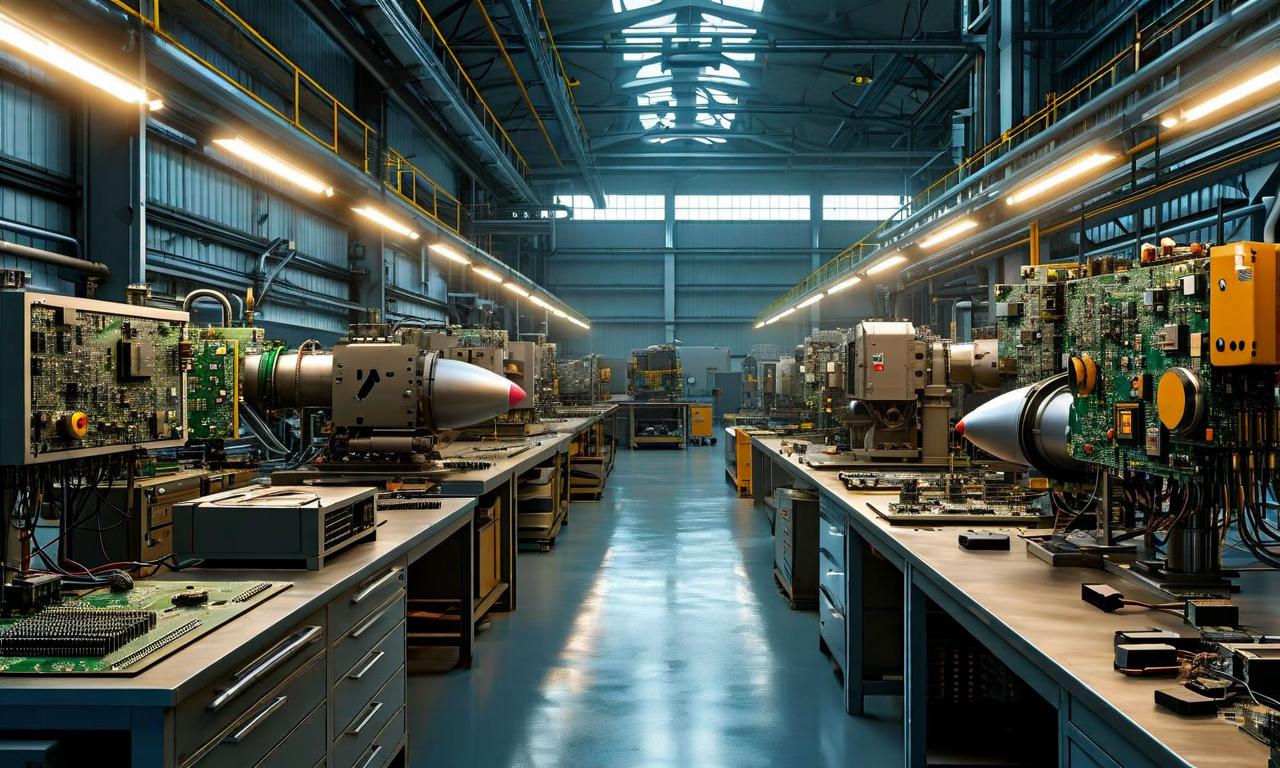

*this image is generated using AI for illustrative purposes only.
Finance Minister Nirmala Sitharaman is preparing to present the Union Budget for financial year 2026-27 on February 1, with market experts anticipating a defence-centric approach. The upcoming budget is expected to place strong emphasis on emerging priority sectors that can drive long-term growth and strategic resilience, particularly building on the Centre's formation of a dedicated committee to nurture allied defence capabilities.
Previous Budget Allocation Sets Foundation
The Union Budget for FY 2025-26 established a strong foundation for defence sector growth with significant financial commitment:
| Parameter: | Details |
|---|---|
| Total Defence Allocation: | ₹6,81,210.27 crore |
| USD Equivalent: | $81.00 billion |
| Year-on-Year Growth: | 9.50% increase |
| Beneficiary: | Ministry of Defence (MoD) |
Expert Expectations for Budget 2026
Pranay Aggarwal, Director and CEO of Stoxkart, outlined key areas where the defence sector's growth could be accelerated through stronger budget support. The focus areas include expanding Positive Indigenisation Lists, strengthening defence industrial corridors with better fiscal incentives and infrastructure, and simplifying licensing and export procedures. Additionally, increased allocations for research and development, innovation, and technology transfer are anticipated, alongside targeted export incentives and credit support to help scale defence exports towards long-term targets.
Ravi Singh, Chief Research Officer at Master Capital Services Ltd., expects continued government support focused on indigenisation. The budget may reinforce this approach through higher capital allocation, stronger preference for domestic procurement, and policies that encourage exports. Measures that speed up procurement timelines or provide long-term visibility on orders would be particularly beneficial for the sector.
Sectoral Focus and Growth Opportunities
Defence electronics and aerospace are expected to benefit most from the upcoming budget measures. Modern defence systems rely heavily on electronics including radars, communication systems, sensors, and missiles, making this a high-priority area. The aerospace sector should gain from ongoing aircraft, helicopter, and engine programs.
Export-related support mechanisms are anticipated to play an important role, including:
- Easier financing options for defence companies
- Government-backed deals for overseas markets
- Incentives for international sales
- Streamlined export procedures
These measures would help Indian defence companies scale up operations and compete globally while building domestic capability and gradually expanding India's footprint in defence exports.
Companies Positioned for Long-term Growth
According to industry experts, companies with strong order visibility, execution capability, and policy tailwinds appear best positioned for long-term growth. Leading players in aerospace, defence electronics, and naval shipbuilding that benefit from indigenisation, exports, and long-term strategic procurement are expected to see significant advantages.
Specific companies identified for potential higher growth include:
| Company: | Growth Drivers |
|---|---|
| HAL: | Increased outsourcing and export opportunities |
| BEL: | Defence electronics focus and indigenisation |
| BDL: | Strategic procurement and export potential |
Experts emphasize focusing on companies with execution capability and alignment with the government's indigenisation roadmap rather than chasing short-term budget reactions. The key lies in identifying organizations that can capitalize on long-term policy support and strategic procurement initiatives.
 18
18