NewsStocksTelangana Liquor Dues Exceed ₹3,900 Crore as Industry Warns Government Ahead of Davos
Telangana Liquor Dues Exceed ₹3,900 Crore as Industry Warns Government Ahead of Davos


Three major alcohol industry associations have warned the Telangana government over unpaid dues exceeding ₹3,900.00 crore owed to beverage suppliers, with ₹900.00 crore pending for over a year. Despite excise revenues growing fourfold from ₹9,000.00 crore in 2014 to ₹38,000.00 crore in FY24, the payment crisis threatens supply chains and investor confidence ahead of the Davos meeting. The alcohol sector contributes over one-third of state tax revenues and supports 70,000 jobs, while TG-iPASS approvals have fallen 50% to ₹13,730.00 crore in FY25, indicating broader investment concerns.
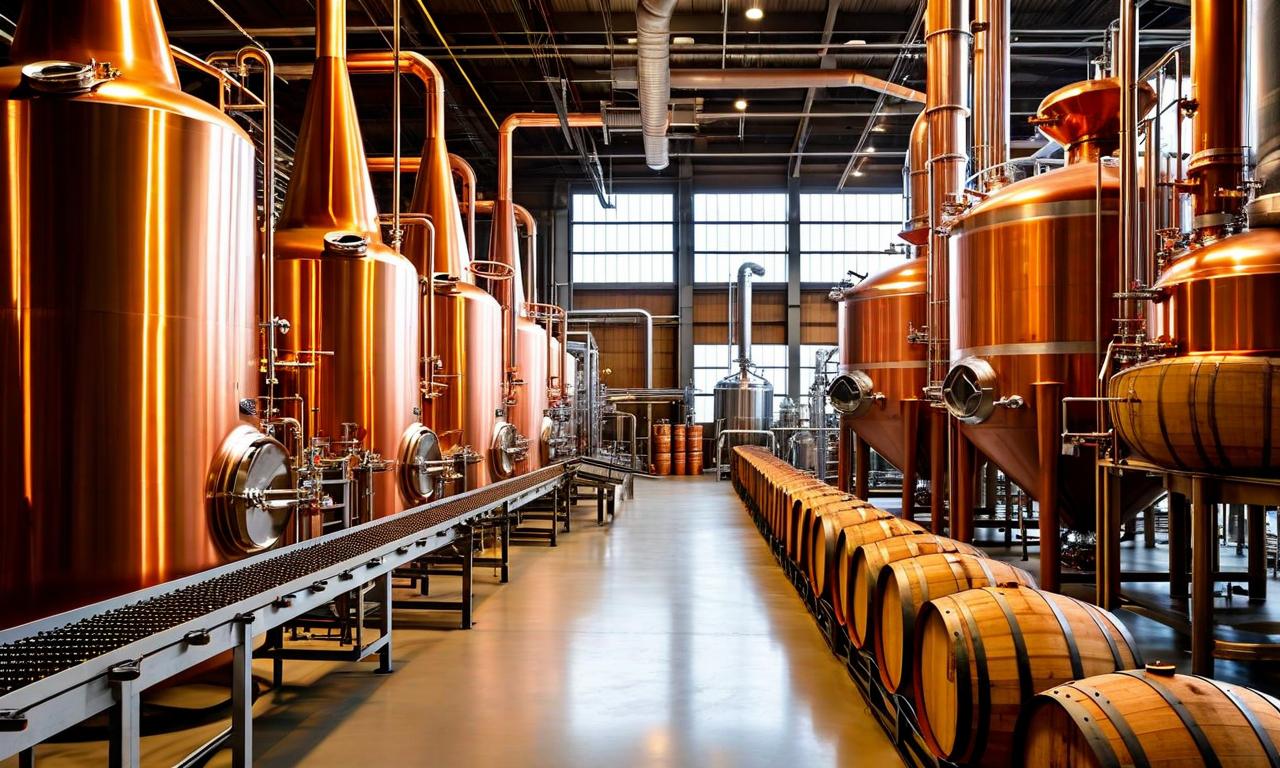
*this image is generated using AI for illustrative purposes only.
The liquor industry in Telangana is facing mounting financial pressure as unpaid government dues continue to escalate, prompting three major alcohol industry associations to issue urgent warnings ahead of the World Economic Forum meeting in Davos. The crisis threatens to undermine the state's investment attractiveness at a critical time when Telangana seeks to position itself as a favorable destination for global capital.
Outstanding Dues Reach Critical Levels
The financial situation has reached alarming proportions, with specific figures highlighting the severity of the crisis:
| Outstanding Dues: | Amount |
|---|---|
| Total TGBCL Dues: | Over ₹3,900.00 crore |
| Overdue (>1 year): | ₹900.00 crore |
| Monthly Contribution: | ₹2,300.00-2,600.00 crore |
The Brewers Association of India, International Spirits and Wines Association of India, and Confederation of Indian Alcoholic Beverage Companies have collectively cautioned the Telangana government about the mounting dues owed by Telangana State Beverages Corporation Limited. These associations warn that payment delays create significant operational and supply-chain risks across the state's alcohol sector.
Revenue Growth Contrasts with Payment Delays
Despite the payment crisis, Telangana's excise revenues have demonstrated remarkable growth over the past decade. The state's alcohol-related revenues have surged more than fourfold, rising from approximately ₹9,000.00 crore in 2014 to nearly ₹38,000.00 crore in FY24.
| Revenue Timeline: | Amount |
|---|---|
| 2014 Excise Revenue: | ₹9,000.00 crore |
| FY24 Excise Revenue: | ₹38,000.00 crore |
| October 2025 License Fees: | ₹3,000.00 crore |
The alcohol beverage sector remains one of the largest contributors to the Telangana exchequer, accounting for more than one-third of the state's tax revenues. This represents the highest share for any state in India, with the sector generating approximately ₹2,300.00-2,600.00 crore monthly. December 2025 turnover also achieved an all-time high, further demonstrating the sector's robust performance.
Economic Impact and Employment Concerns
The alcohol industry's significance extends beyond revenue generation to substantial employment creation across multiple sectors. The industry supports breweries, distilleries, packaging, logistics, and retail businesses throughout Telangana, providing an estimated 70,000 direct and indirect jobs across the state.
The associations have highlighted broader concerns about industrial sentiment, noting that TG-iPASS approvals declined significantly. Investment approvals fell more than 50% to ₹13,730.00 crore in FY25 from ₹28,100.00 crore in the previous year, signaling weakening investor confidence in the state's business environment.
Supply Chain Disruptions and Industry Response
The crisis stems from Telangana's depot system, where all liquor and beer sales must pass through state-run depots before reaching retailers. Since suppliers receive payments exclusively from the government, delays in dues settlement disrupt the entire supply chain and leave companies without adequate working capital for operations.
United Breweries, the maker of Kingfisher beer now owned by Heineken, has already ceased supplies due to unpaid dues. Other companies have warned they may implement similar measures if payments are not cleared promptly.
Industry Demands and Davos Implications
The joint statement from the three associations emphasized that the state must clear pending dues and restore the 45-day contractual payment cycle to protect excise revenues, employment, and supply continuity. The associations specifically urged urgent action ahead of the World Economic Forum's annual meeting, warning that payment delays on this scale could undermine the state's credibility and ability to attract investments when Telangana seeks to showcase itself as an attractive destination for business and foreign capital.
 15
15