Proposed GST Rate Cut Could Slash Car Prices, Reduce EMIs

1 min read     Updated on 22 Aug 2025, 05:25 PM
scanx
Reviewed by
Shriram SScanX News Team
AI Summary

A potential reduction in GST rates for automobiles in India could lead to significant price cuts and lower EMIs for car buyers. The GST rate for cars may decrease from 28% to 18%, while SUVs could see rates drop from 45% to 40%. Popular models like Maruti Suzuki Wagonr, Baleno, and Dzire might see price reductions of Rs 60,000 - Rs 80,000, while the Mahindra XUV 700 could become cheaper by Rs 1.1 lakh. EMIs could decrease by Rs 1,000 - Rs 1,324 for various models. This move is expected to stimulate demand and provide relief to the auto industry during a period of slower growth.


powered bylight_fuzz_icon
17409350

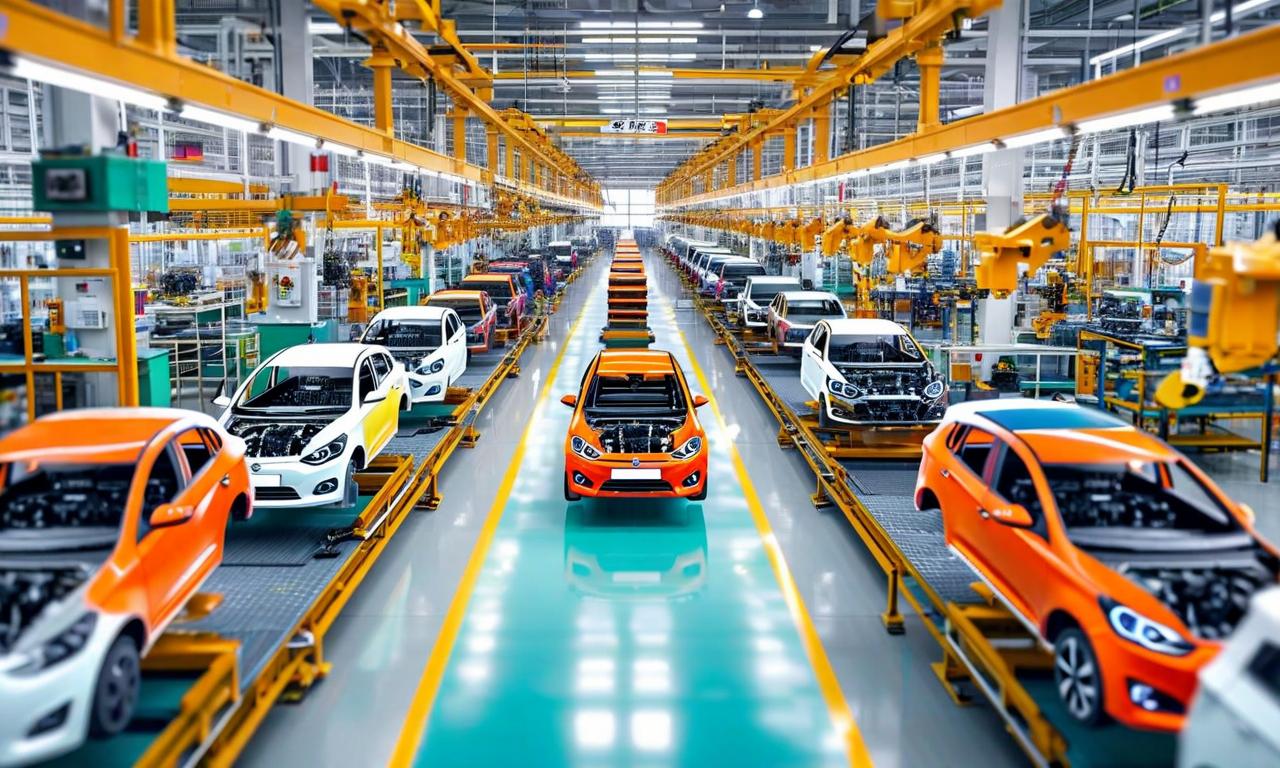
*this image is generated using AI for illustrative purposes only.

In a potential game-changer for the Indian automobile sector, a proposed reduction in Goods and Services Tax (GST) rates could lead to significant savings for car buyers. The move is expected to provide relief to the auto industry during a period of slower growth.

Proposed GST Rate Changes

The GST rate for cars is expected to decrease from 28% to 18%, while Sport Utility Vehicles (SUVs) could see rates drop from 45% to 40%. This reduction is part of a broader initiative estimated to move 90% of items from the 28% GST slab to the 18% slab.

Potential Price Reductions

According to a report by Nomura, popular models could see substantial price cuts:

Model Estimated Price Reduction
Maruti Suzuki Wagonr Rs 60,000 - Rs 80,000
Maruti Suzuki Baleno Rs 60,000 - Rs 80,000
Maruti Suzuki Dzire Rs 60,000 - Rs 80,000
Maruti Suzuki Breeza Rs 40,000
Mahindra XUV 700 Rs 1.1 lakh

Impact on EMIs

The price reductions would also translate into lower monthly EMI payments for car buyers:

Model Current EMI Projected EMI Estimated Reduction
Maruti Suzuki Dzire Rs 15,519 Rs 14,195 Rs 1,324
Maruti Suzuki Wagonr - - Rs 1,000 - Rs 1,200
Maruti Suzuki Baleno - - Rs 1,000 - Rs 1,200

Implications for the Auto Sector

This proposed GST rate cut comes at a crucial time for the automobile industry, which has been experiencing slower growth. The reduction in prices and EMIs could potentially stimulate demand, providing a much-needed boost to the sector.

While the exact implementation date of these proposed changes has not been specified, the automotive industry and potential car buyers are closely watching these developments. If implemented, this GST rate cut could make vehicle ownership more accessible to a broader range of consumers, potentially revitalizing the auto market.

like16
dislike

India Mulls Engine-Based GST Restructure for Automobiles, Small Cars May See Tax Cut

1 min read     Updated on 17 Aug 2025, 11:51 AM
scanx
Reviewed by
Ashish TScanX News Team
AI Summary

The Indian government is contemplating a major revision to the GST structure for automobiles, potentially basing it on engine capacity rather than vehicle type. The proposed changes include reducing GST to 18% for cars below 1200cc, down from the current 28% plus cess. Cars above 1200cc would face higher taxes. This move aims to simplify the tax system and could make smaller cars more affordable. The current complex GST structure involves a 28% base rate with additional cess up to 22%. A Group of Ministers is set to discuss these changes as part of broader GST 2.0 reforms.

powered bylight_fuzz_icon
16957273

*this image is generated using AI for illustrative purposes only.

The Indian government is considering a significant overhaul of the Goods and Services Tax (GST) structure for automobiles, potentially shifting to a system based on engine capacity rather than vehicle type. This move could bring substantial changes to the automotive market, particularly benefiting smaller car segments.

Proposed Changes in GST Structure

Under the proposed framework, vehicles would be categorized based on their engine capacity:

  • Cars below 1200cc: The GST rate could be reduced to 18.00%, down from the current 28.00% plus applicable cess.
  • Cars above 1200cc: These would fall into a higher tax bracket, though specific rates haven't been disclosed.

This restructuring aims to simplify the tax system and potentially make smaller cars more affordable for consumers.

Current GST Structure

The existing GST structure for automobiles is more complex:

  • Entry-level hatchbacks, small sedans, and compact SUVs currently face a 28.00% GST rate.
  • An additional cess of up to 22.00% is applied on top of the base GST rate.
  • SUVs are classified based on multiple factors including ground clearance, length, and engine capacity.

Potential Impact

If implemented, these changes could have several implications:

  1. Affordability: Smaller cars might become more accessible to a broader range of consumers due to reduced taxes.
  2. Market Dynamics: The automotive market could see a shift in demand patterns, potentially boosting sales in the small car segment.
  3. SUV Classification: The proposal includes eliminating the current SUV definition for GST classification, which could affect pricing strategies for automakers.

Next Steps

A Group of Ministers, headed by Bihar Deputy Chief Minister Samrat Chaudhary, is expected to meet this week to discuss these proposed changes. These discussions are part of the broader GST 2.0 reforms being considered by the government.

The outcome of these deliberations will be closely watched by both the automotive industry and consumers, as it has the potential to reshape the Indian car market significantly. Stakeholders will be keen to see how these changes, if implemented, will affect vehicle pricing, consumer choices, and overall market dynamics in the automotive sector.

like16
dislike