
 NewsOil Marketing Companies Expected to Drive Q3 Earnings Growth While Upstream Producers Face Headwinds
Oil Marketing Companies Expected to Drive Q3 Earnings Growth While Upstream Producers Face Headwinds


Oil marketing companies are expected to lead oil and gas sector earnings growth in Q3 with 56% YoY EBITDA growth, driven by Singapore GRM improvement from $3.80 to $7.50 per barrel and ₹5,000 crore LPG compensation. Upstream producers face headwinds from 8% sequential Brent crude decline to $63.60/barrel, while city gas distributors expect 20-46% EBITDA growth despite rupee depreciation and 52% Henry Hub price rise challenges.

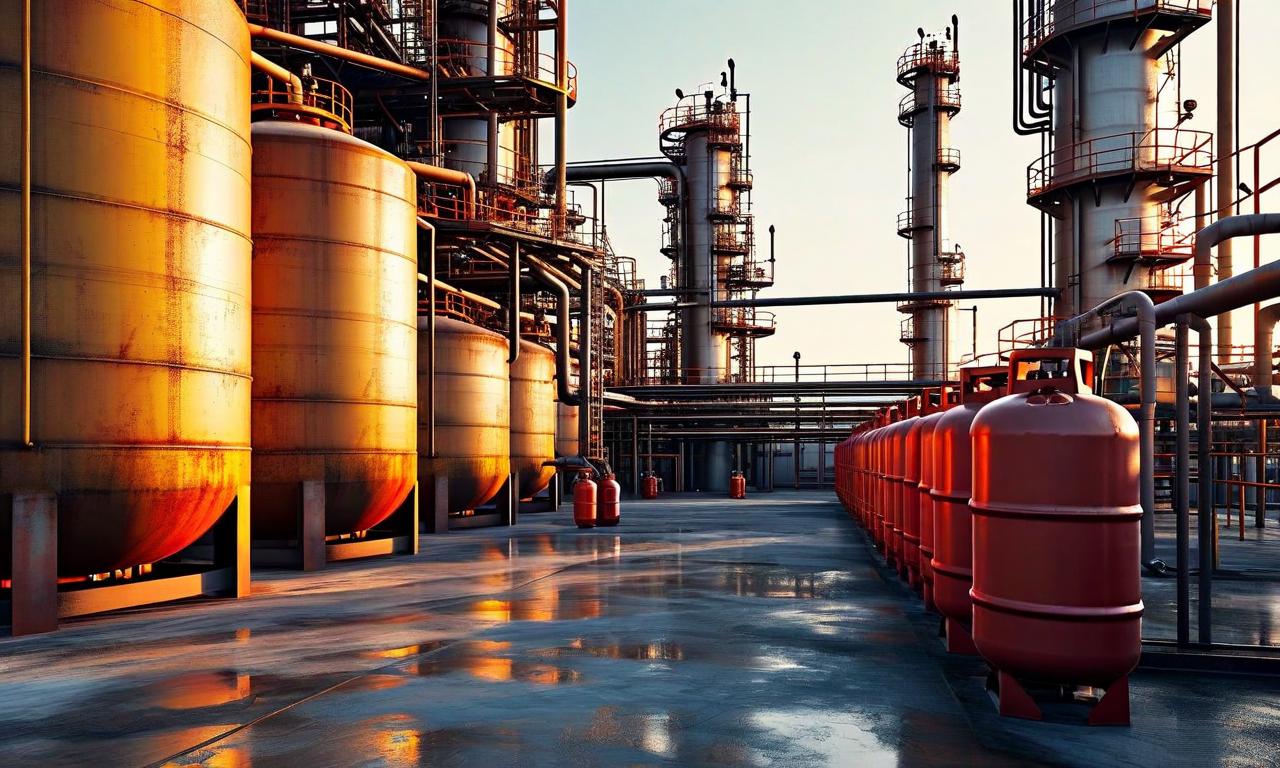

*this image is generated using AI for illustrative purposes only.
Oil marketing companies are set to drive earnings growth in the oil and gas sector during the December quarter, supported by robust refining margins, improved fuel price spreads, and easing LPG under-recoveries. This positive outlook contrasts sharply with upstream producers, who are likely to face pressure from lower crude oil prices, while city gas distributors are expected to report healthy volumes and improving margins.
Refining Margins Provide Strong Tailwind
Refining margins have emerged as the key growth driver for oil marketing companies. The performance metrics demonstrate significant improvement across key indicators:
| Parameter: | Q3 FY25 | Q2 FY25 | Performance |
|---|---|---|---|
| Singapore GRMs: | $7.50/barrel | $3.80/barrel | +97% improvement |
| Expected OMC EBITDA Growth: | - | - | +56% YoY |
| LPG Compensation Expected: | ₹5,000 crore | - | Significant relief |
The substantial improvement in Singapore Gross Refining Margins, which serve as a benchmark for Indian OMCs, reflects strengthening prices for diesel, gasoline, and aviation turbine fuel. This improvement is expected to offset the impact of inventory losses due to lower crude oil prices.
LPG Under-Recoveries Show Relief
Lower propane prices, a key cost component of LPG, combined with the receipt of compensation for past losses, are expected to ease the burden from subsidised LPG sales. Kotak Institutional Equities expects LPG compensation of ₹5,000 crore for OMCs, providing significant financial relief.
ICICI Securities noted that OMCs' December quarter performance could be stronger driven by higher GRMs and lower LPG under-recovery, along with two months of LPG payout for past losses. The brokerage expects operating profit before depreciation and amortisation for OMCs to rise 56.00% year-on-year in the December quarter.
Mixed Performance Across Segments
For Reliance Industries, the country's largest company by revenue and market capitalisation, EBITDA is expected to rise 9.00-13.00% year-on-year in the December quarter, reflecting the company's integrated business model benefits.
Upstream Challenges:
- Average Brent crude price fell nearly 8.00% sequentially to $63.60 per barrel
- ONGC and Oil India face 7.00-8.00% sequential drop in net realisations
- Upstream companies' EBITDA may drop 7.00-14.00% year-on-year
City Gas Distributors Show Promise
The CGD segment is expected to report stronger earnings, supported by better volumes and expanding margins. Most CGD companies are expected to see EBITDA growth of 20.00-46.00% year-on-year according to brokerages.
| Company Segment: | Expected Performance |
|---|---|
| Indraprastha Gas: | Healthy volume growth from CNG demand |
| Mahanagar Gas: | Strong volume expansion |
| Gujarat Gas: | Moderate volume growth |
However, the segment faces headwinds from rupee depreciation and higher Henry Hub gas prices. Motilal Oswal Financial Services noted that the benefit of lower sourcing costs has been partly offset by 6.00% year-on-year rupee depreciation in the December quarter and a sharp 52.00% year-on-year rise in Henry Hub prices.
Sector Outlook
The oil and gas sector presents a mixed picture for the December quarter, with oil marketing companies positioned as the primary growth drivers. The significant improvement in refining margins, combined with LPG compensation and reduced under-recoveries, creates a favourable environment for OMCs. Meanwhile, upstream producers continue to grapple with global oversupply and subdued demand pressures, while city gas distributors balance volume growth against cost headwinds.
 17
17






 Create Custom Screeners
  Access 200+ Pre-built Filters
  Use 50+ Readymade Screener





