
 NewsMajor Developers to Add 42.5 Million Sq Ft of Mall Space in India's Consolidating Retail Real Estate Market
Major Developers to Add 42.5 Million Sq Ft of Mall Space in India's Consolidating Retail Real Estate Market


Seven major developers now control nearly one-third of India's 650 operational malls, with plans to add over 45 new malls in the next 3-5 years. The expansion focuses on tier-2 cities like Chandigarh, Indore, and Surat. Grade A malls are projected to increase their inventory share from 22% in 2015 to 60% by 2027 in top seven cities, with vacancy rates dropping from 19% to 9%. These premium properties show 5-8% CAGR in annual rental growth and monthly retail sales of Rs 1,200-1,600 per sq ft. The sector has undergone significant correction, with 20-22% of malls launched between 2005-2020 being shut down or repurposed. New projects now average 1-1.2 million sq ft and are designed as destination hubs. GST reforms are expected to accelerate market consolidation, with 2-3 new retail-focused REITs anticipated and 30-40% of smaller malls likely to be converted into mixed-use developments.

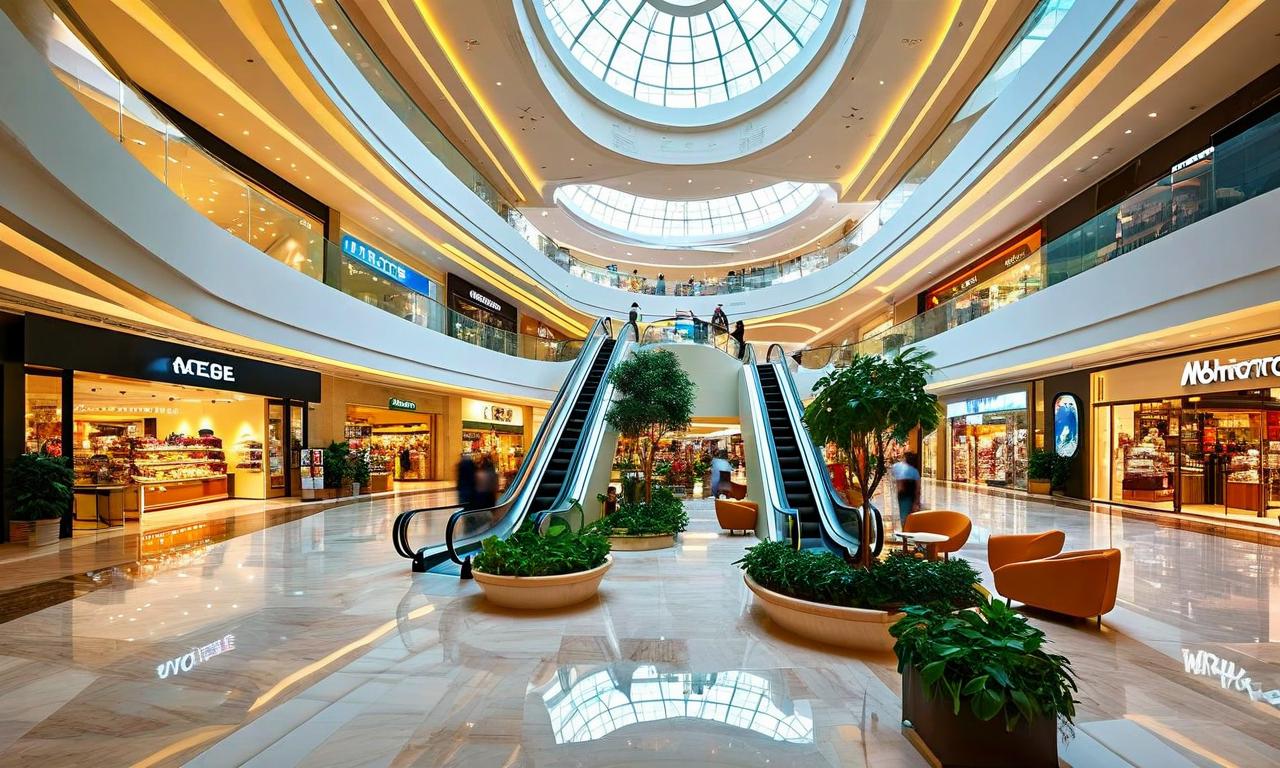

*this image is generated using AI for illustrative purposes only.
India's retail real estate landscape is undergoing a significant transformation, with institutional developers taking control of nearly one-third of the country's 650 operational malls. This consolidation trend is set to accelerate as major players announce ambitious expansion plans targeting tier-2 cities.
Key Players and Expansion Plans
Seven major developers are at the forefront of this retail real estate revolution:
- Nexus Malls (Blackstone)
- Phoenix Mills
- DLF
- Prestige Estates
- Lakeshore
- Raheja Group
- Pacific Malls
These industry giants currently own 58 malls, covering an impressive 34 million sq ft. However, their plans for the future are even more ambitious. Over the next 3-5 years, they aim to add more than 45 new malls, expanding their portfolio by an additional 42.5 million sq ft.
Focus on Tier-2 Cities
The expansion strategy is not limited to metropolitan areas. Developers are setting their sights on tier-2 cities, including:
- Chandigarh
- Indore
- Surat
- Bhubaneshwar
- Coimbatore
This move reflects a growing recognition of the untapped potential in these emerging urban centers.
Rise of Grade A Malls
The market is witnessing a notable shift towards premium retail spaces. Grade A malls have significantly strengthened their position in the top seven cities:
| Year | Grade A Mall Inventory Share |
|---|---|
| 2015 | 22% |
| 2027 (Projected) | 60% |
This growth is accompanied by a substantial drop in vacancy levels, from 19% to 9%, indicating increased demand and better space utilization.
Performance Metrics of Premium Properties
Grade A malls are not just expanding in number but are also delivering impressive financial results:
- Annual rental growth: 5-8% CAGR
- Monthly retail sales: Rs 1,200-1,600 per sq ft
Market Correction and Evolution
The sector has undergone a significant correction between 2005-2020:
- Over 250 malls were launched during this period
- 20-22% of these malls were either shut down or repurposed due to poor planning
This correction has led to a more mature and strategic approach to mall development. New projects now average 1-1.2 million sq ft and are designed as destination hubs, offering a more comprehensive experience to visitors.
GST Reforms and Future Outlook
The Goods and Services Tax (GST) reforms are expected to play a crucial role in accelerating market consolidation. These reforms aim to:
- Simplify tax structures
- Boost consumer confidence
Market Expectations
The retail real estate market is poised for further evolution:
- Anticipated launch of 2-3 new retail-focused Real Estate Investment Trusts (REITs)
- 30-40% of smaller malls are expected to be converted into mixed-use developments
As the Indian retail real estate sector continues to evolve, the focus on quality, strategic locations, and comprehensive experiences is likely to shape the future of shopping malls in the country. The consolidation trend, coupled with expansion into tier-2 cities, signals a new era of growth and transformation in this dynamic market.
 17
17






 Access Market Heat-map & Insights
  Create, Save & Share your Screener
  Use 200+ Screening Filters





