

India's Fertilizer Import Dependence Surges as Domestic Production Struggles


India's fertilizer imports have surged dramatically in FY26, with urea imports jumping 120% to 7.2 million tonnes while domestic production declined 3.7%. This shift has reduced domestic production's share from 77% to 64% of total consumption, marking a setback to self-sufficiency goals. The rising import dependence has pushed fertilizer subsidies to ₹1.83 trillion in 2024-25, with concerns mounting over soil health due to imbalanced fertilizer use.

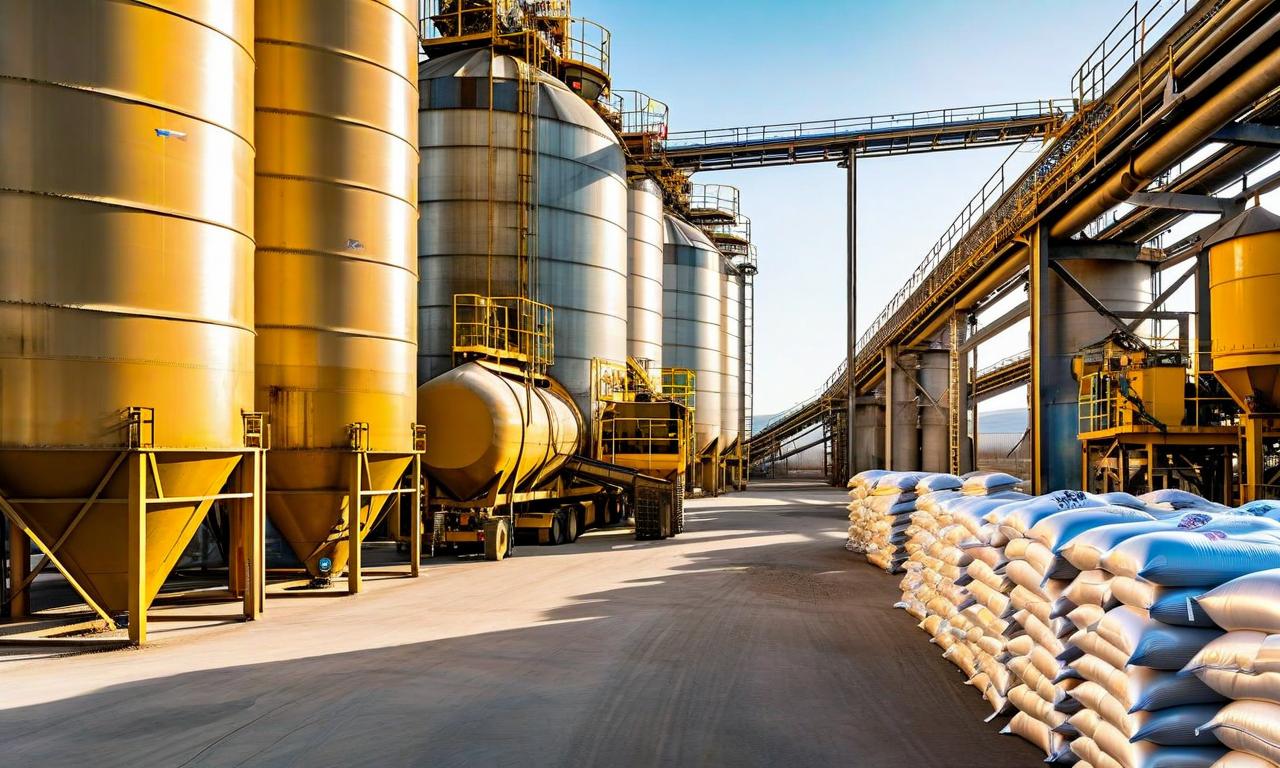

*this image is generated using AI for illustrative purposes only.
India's fertilizer sector has experienced a dramatic shift towards import dependence in FY26, raising concerns about the country's self-sufficiency goals and mounting subsidy burden. The surge in imports comes at a time when domestic production is struggling to meet rising demand from the agricultural sector.
Import Surge Highlights Production Challenges
According to the Fertilizer Association of India (FAI), the country's fertilizer supply chain has undergone sharp rebalancing towards imports between April and November FY26. The data reveals concerning trends across major fertilizer categories:
| Fertilizer Type | Import Growth | Volume (Million Tonnes) | Domestic Production Change |
|---|---|---|---|
| Urea | +120% YoY | 7.20 | -3.7% |
| Di-ammonium Phosphate (DAP) | +54% YoY | 5.50 | - |
| Complex NPK Fertilizers | Nearly doubled | 2.70 | - |
FAI has characterized these imports as structural in nature, indicating they can no longer be viewed as merely supplementing domestic production. This represents a significant departure from India's long-standing push for fertilizer self-sufficiency.
Self-Sufficiency Goals Face Setbacks
The current import surge marks a notable reversal in India's atmanirbharta objectives for the fertilizer sector. In 2020, the fertilizer ministry had projected achieving self-sufficiency by 2023 through revival of old urea plants and adoption of technologies such as nano urea.
While India had successfully reduced its import dependence on urea from 28% of domestic consumption in 2020-21 to approximately 15% in 2024-25, the recent spike in demand has disrupted this positive trajectory. The domestic production share has declined significantly:
| Period | Domestic Production Share |
|---|---|
| 2024-25 | 77% of total consumption |
| FY26 (April-November) | 64% of total consumption |
This shortfall has created visible supply constraints, with farmers in several states struggling to procure urea, often standing in queues for days or paying premiums in black markets.
Subsidy Burden Escalates
Rising import dependence has significantly increased the government's fertilizer subsidy expenditure. The subsidy bill has grown exponentially over recent years:
| Year | Fertilizer Subsidies |
|---|---|
| 2019-20 | ₹81,124 crore |
| 2024-25 (Revised Estimates) | ₹1.83 trillion |
Nearly 70% of this subsidy outgo supports urea, which is sold to farmers at over 90% subsidy. This pricing structure means farmers pay less than one-tenth of urea's actual cost, encouraging excessive use of nitrogen-heavy fertilizers relative to other nutrients.
Demand Drivers and Market Dynamics
Fertilizer demand has spiked in FY26 following expanded cropped area supported by ample rainfall. Farmers increased acreage under crops such as corn and rice during the Kharif season, boosting demand for urea and DAP. Robust wheat sowing in the ongoing Rabi season is expected to further increase fertilizer consumption.
Urea consumption has shown steady growth over the past decade, climbing from approximately 31 million tonnes in 2013-14 to an estimated 40 million tonnes in 2025-26. Supply shortages in states including Uttar Pradesh, Madhya Pradesh, Andhra Pradesh, and Telangana had previously triggered farmer protests.
Soil Health Concerns Mount
The agriculture ministry has highlighted that imbalanced use of chemical fertilizers, declining organic matter, and climate change are key factors degrading soil health. Studies by the Indian Council of Agricultural Research indicate that excessive application of nitrogenous fertilizers can lower crop yields and worsen soil degradation.
A Parliamentary Standing Committee report submitted in December recommended training farmers to promote balanced nutrient use, crop rotation, and natural farming practices. However, industry insiders argue that unless urea prices are corrected by reducing subsidies, farmers will continue to overuse urea compared to other nutrients.
 19
19






 Create Custom Screeners
  Access 200+ Pre-built Filters
  Use 50+ Readymade Screener





