India's Defence Sector Transitions to Execution Phase as Indigenisation Drive Gains Momentum

1 min read     Updated on 19 Jan 2026, 09:06 PM
scanx
Reviewed by
Shriram SScanX News Team
Overview

India's defence sector is transitioning from order book anticipation to active execution phase in 2026, driven by successful indigenisation efforts and rising defence exports. This transformation positions the sector as a strategic long-term investment opportunity, reflecting the growing maturity of India's domestic defence manufacturing capabilities.

30382575

*this image is generated using AI for illustrative purposes only.

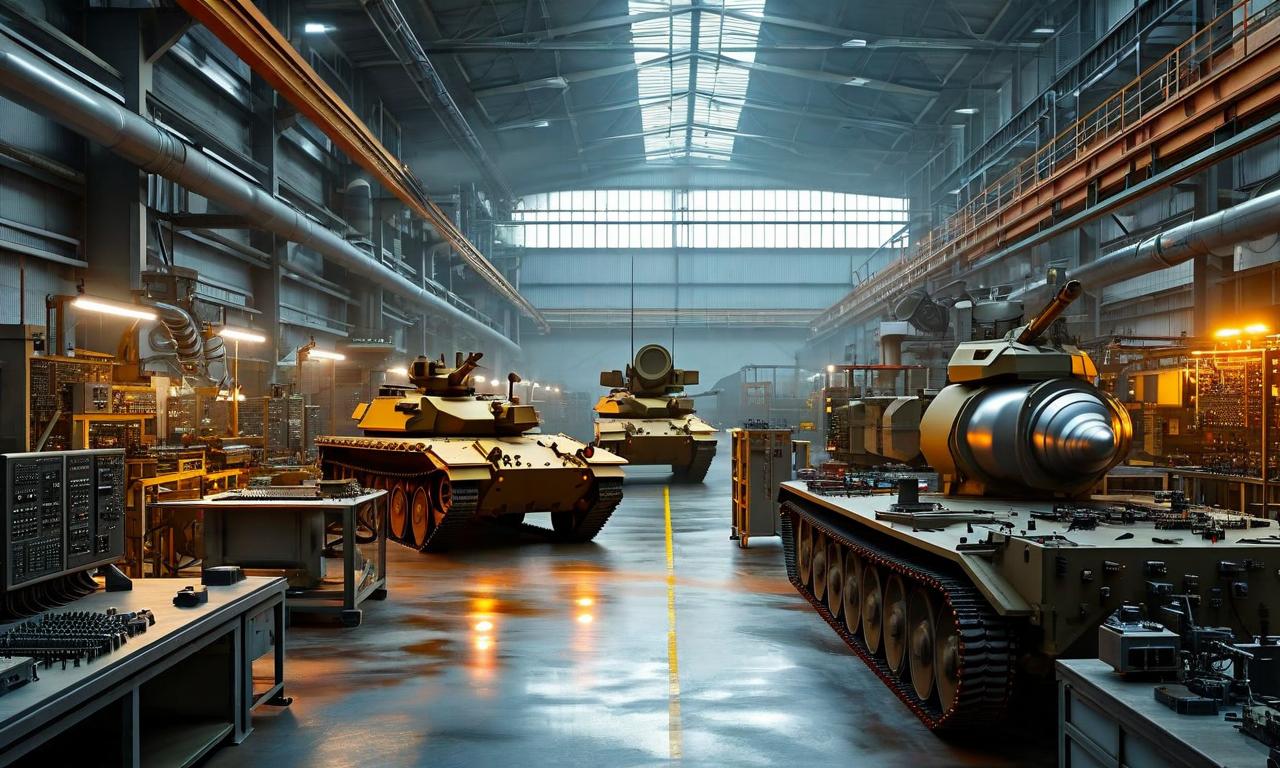
India's defence sector is undergoing a significant transformation as it enters 2026, marking a pivotal shift from anticipation to active implementation of major defence projects.

Sector Transition Gains Momentum

The defence industry is transitioning from what analysts describe as a period of "order book anticipation" to a "high-octane execution phase." This evolution reflects the sector's growing maturity and the government's sustained focus on building domestic defence capabilities.

Indigenisation Drive Shows Results

India's strategic push for indigenisation in defence manufacturing is demonstrating tangible outcomes. The initiative is yielding positive results, particularly evident in the country's rising defence exports. This progress underscores the effectiveness of policies aimed at reducing import dependence and building a self-reliant defence ecosystem.

Strategic Investment Positioning

The defence sector's current trajectory positions it as a cornerstone for strategic long-term investment portfolios. The combination of government support, policy initiatives, and the transition to active project execution creates a compelling investment narrative for those with a long-term perspective.

The sector's evolution from planning to implementation phases suggests increased business activity and potential revenue generation for companies operating in this space. This operational shift could translate into improved financial performance for defence sector participants.

Market Outlook

The defence sector's transformation reflects broader trends in India's manufacturing capabilities and strategic autonomy objectives. As the country continues to prioritize self-reliance in critical sectors, the defence industry stands to benefit from sustained government support and increasing domestic demand.

The transition to an execution-focused phase indicates that previously announced projects and initiatives are moving toward actual implementation, potentially creating sustained business opportunities for sector participants.

Source: https://www.moneycontrol.com/news/business/moneycontrol-research/defence-basket-a-strategic-bet-for-long-term-investors-13777960.html

like20
dislike

India's Defence Order Pipeline Reaches Record ₹3.3 Trillion in FY26; Bharat Dynamics and Astra Microwave Top Investment Picks

3 min read     Updated on 10 Jan 2026, 11:39 AM
scanx
Reviewed by
Riya DScanX News Team
Overview

India's defence sector achieves record momentum with DAC approving ₹790 billion in winter session, pushing FY26 approvals to ₹3.3 trillion—nearly double the annual defence capital outlay. The comprehensive pipeline spans munitions, missiles, air defence systems, and surveillance equipment across all services. Bharat Dynamics delivers exceptional Q2FY26 performance with 111% YoY revenue growth and maintains ₹235 billion order book, while Astra Microwave Products transitions to full-system solutions with ₹22 billion order book and strong growth projections.

29570985

*this image is generated using AI for illustrative purposes only.

India's defence manufacturing sector has reached a significant milestone with the Defence Acquisition Council (DAC) clearing capital proposals worth ₹790 billion in its winter session. This substantial approval has pushed FY26 year-to-date approvals to nearly ₹3.3 trillion, representing almost twice the annual defence capital outlay of ₹1.8 trillion. While these represent Acceptance of Necessity rather than immediate orders, the scale and diversity materially de-risk order inflows for the sector over the next two to four years.

Comprehensive Defence Modernisation Drive

The latest approvals demonstrate a balanced approach to defence modernisation, spanning multiple categories and services. The pipeline covers both high-value marquee programs and recurring electronics and systems-led procurement, supporting steadier execution and revenue visibility for defence manufacturers.

Category Coverage
Equipment Types Munitions, missiles, air defence systems
Technology Focus Surveillance and communication equipment
Platform Development Training systems, unmanned platforms
Naval Assets Naval support systems
Service Coverage Army, Navy, and Air Force

The extension of the emergency procurement window until mid-January 2026 further strengthens near-term activity prospects, enabling fast-track purchases of critical equipment and mitigating potential delays from earlier deadline lapses.

Structural Transformation in Defence Procurement

A notable trend emerging from the approval pipeline is the growing emphasis on integrated systems rather than standalone equipment. This shift encompasses sensors, communications, command-and-control, and kinetic elements working in coordination. Indigenous air defence architectures, advanced simulators, and network-centric surveillance solutions highlight this strategic transformation.

Large-ticket missile and air defence programs form a substantial portion of the approval pipeline, alongside integrated electronic warfare systems and unmanned solutions. Export orientation is simultaneously gaining traction, with indigenous systems attracting interest from multiple international markets, offering incremental growth beyond domestic demand.

Bharat Dynamics: Strong Execution and Growth Trajectory

Bharat Dynamics has demonstrated exceptional performance in Q2FY26, delivering impressive financial results as supply-chain conditions improved.

Financial Metric Q2FY26 Performance Growth Rate
Revenue Growth Strong improvement 111% YoY
EBITDA Growth Significant expansion 90% YoY
PAT Growth Beat estimates 76% YoY

The company maintains a robust order book worth ₹235 billion across key programs including Akash, Astra Mk-1, and Anti-Tank Guided Missiles (ATGMs). Additionally, a pipeline exceeding ₹500 billion and rising export contribution targeted at 25% provides strong multi-year execution visibility and diversified growth drivers.

Projected growth expectations for Bharat Dynamics include 35% revenue CAGR, 64% EBITDA CAGR, and 51% PAT CAGR over FY25-28, driven by execution ramp-up, higher indigenisation, and operating leverage benefits. Return metrics are expected to strengthen significantly, with RoE and RoCE rising to 25.20% and 25.60% respectively by FY28.

Astra Microwave Products: Transition to Full-System Solutions

Astra Microwave Products has successfully transitioned from a subsystem supplier to a comprehensive full-system solutions provider in RF and microwave systems. The company maintains an order book of ₹22 billion as of September and has delivered consistent growth with 13% revenue CAGR during FY21-25.

Performance Metric Historical Achievement Future Projection
Revenue CAGR (FY21-25) 13% 18% (FY25-28)
EBITDA Margins Rose to 25.60% from 12.30% Expected near 26%
PAT CAGR Projection Historical growth 23% (FY25-28)

The company targets significant opportunities across multiple segments including AESA and Uttam radars, meteorological projects, Navy repeat orders, and counter-drone systems. Revenue growth acceleration is anticipated during FY27-30 as larger orders are awarded by the Ministry of Defence and defence PSUs.

Outlook and Strategic Implications

With FY26 approvals already far exceeding annual capital outlays, India's defence sector enters the coming years with one of its strongest procurement pipelines in recent memory. The combination of emergency purchases, large missile and air defence programs, and electronics-heavy systems positions defence manufacturing for sustained order inflows, improved capacity utilisation, and enhanced strategic relevance within India's broader industrial landscape.

Execution timelines remain a critical factor, as Acceptance of Necessity approvals must navigate contracting processes, production ramp-ups, and delivery schedules. Budgetary allocations and the pace of conversion from approvals to firm orders will determine the realisation of projected growth across the sector.

like20
dislike
More News on Defence Sector
Explore Other Articles