

India's Cement Industry To Grow 6-7% In FY27, Aided By Housing And Infra Sector: ICRA


Rating agency ICRA forecasts India's cement industry to maintain mid single-digit growth of 6-7% in FY27, supported by steady demand from housing and infrastructure projects. The industry is expected to add significant capacity of 85-90 million MTPA during FY26-FY27, with operational EBITDA estimated at ₹880-930 per metric tonne in FY27.

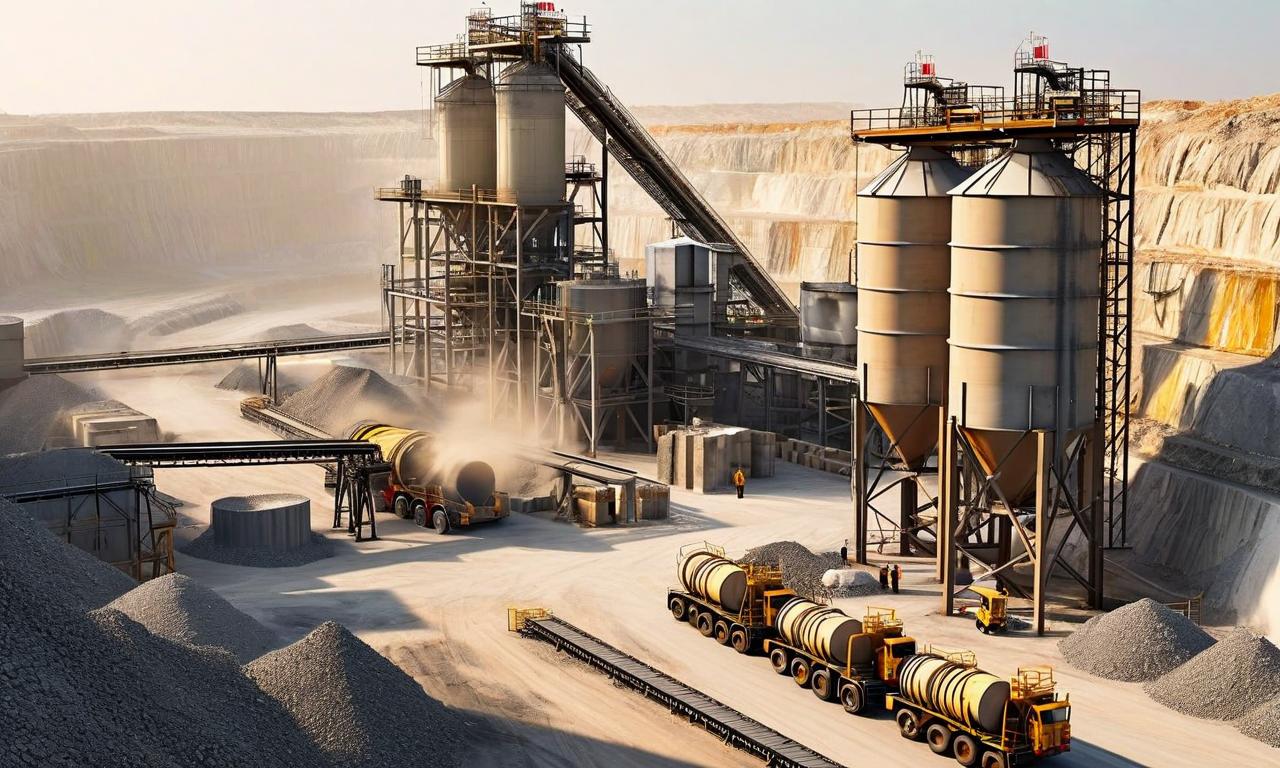

*this image is generated using AI for illustrative purposes only.
Rating agency ICRA has projected that India's cement industry will sustain its mid single-digit growth trajectory in the next fiscal year, driven by steady demand from housing and infrastructure projects. The positive outlook reflects the sector's resilience and the supportive policy environment that continues to fuel construction activities across the country.
Growth Projections and Performance Metrics
ICRA expects India's cement industry to achieve robust growth across the forecast period, with specific targets for both the current and upcoming fiscal years.
| Parameter: | FY26 | FY27 |
|---|---|---|
| Industry Growth: | 6.50-7.50% | 6.00-7.00% |
| Volume Expansion: | 8.50% | - |
| Capacity Addition: | 43-45 million MTPA | 42-44 million MTPA |
| Capacity Utilisation: | 70-71% | 70-71% |
The agency noted that cement demand remained strong in FY26, with volumes expanding by 8.50% aided by robust construction activities. Post-monsoon construction is expected to pick up pace, leading to sequential improvement in demand during the second half of FY26.
Capacity Expansion and EBITDA Outlook
The industry is positioned for significant capacity expansion over the next two fiscal years. ICRA forecasts the sector will add 85-90 million MTPA capacity during FY26-FY27 combined. This expansion comes as major cement companies are strengthening their market positions through both organic and inorganic growth strategies.
Operational EBITDA is estimated to reach ₹880-930 per metric tonne in FY27, supported by better pricing dynamics and higher volumes. The improved profitability outlook reflects the industry's ability to leverage increased demand while maintaining pricing discipline.
Policy Support and Demand Drivers
Several factors are contributing to the positive demand outlook for the cement sector:
- GST reforms: Reduction in duty on finished cement from 28% to 18%
- Infrastructure spending: Increased government expenditure on infrastructure projects
- Construction activities: Robust housing and infrastructure development
- Post-monsoon recovery: Expected pickup in construction activities
These policy measures and market dynamics are expected to bolster demand momentum through FY26 and FY27, providing a stable foundation for industry growth.
Regional Capacity Utilisation Patterns
Capacity utilisation patterns are expected to vary across different regions of the country. North and central India are likely to witness higher capacity utilisation than the national average of approximately 70.00%. However, the southern region may continue to experience relatively moderate utilisation due to capacity overhang in those markets.
Overall, capacity utilisation of the industry is projected to remain stable at 70-71% in FY27, similar to FY26 levels, despite the expanded capacity base.
Industry Position and Scale
According to the Cement Manufacturers' Association, India's installed cement capacity stands at 700 MTPA, making it the second largest cement manufacturer globally after China. This substantial capacity base, combined with the projected growth rates, positions India's cement industry as a key contributor to the country's infrastructure development and economic growth.
 17
17






 Access 50+ Readymade Screeners
  Use 200+ Custom Filters
  Get Full Market Insights





