

India's Alcoholic Beverage Industry Seeks Customs Tariff Reforms in Budget 2026


India's $44 billion alcoholic beverage industry seeks customs reforms in Budget 2026-27, addressing fragmented tariff structures ranging from 50% to 150% duty rates and ₹1.52 lakh crore locked in customs litigation. The sector, projected to reach $55 billion by 2027, advocates for tariff rationalization, customs amnesty schemes, and streamlined procedures to support the premiumization trend that drove 74% import growth in 2023.

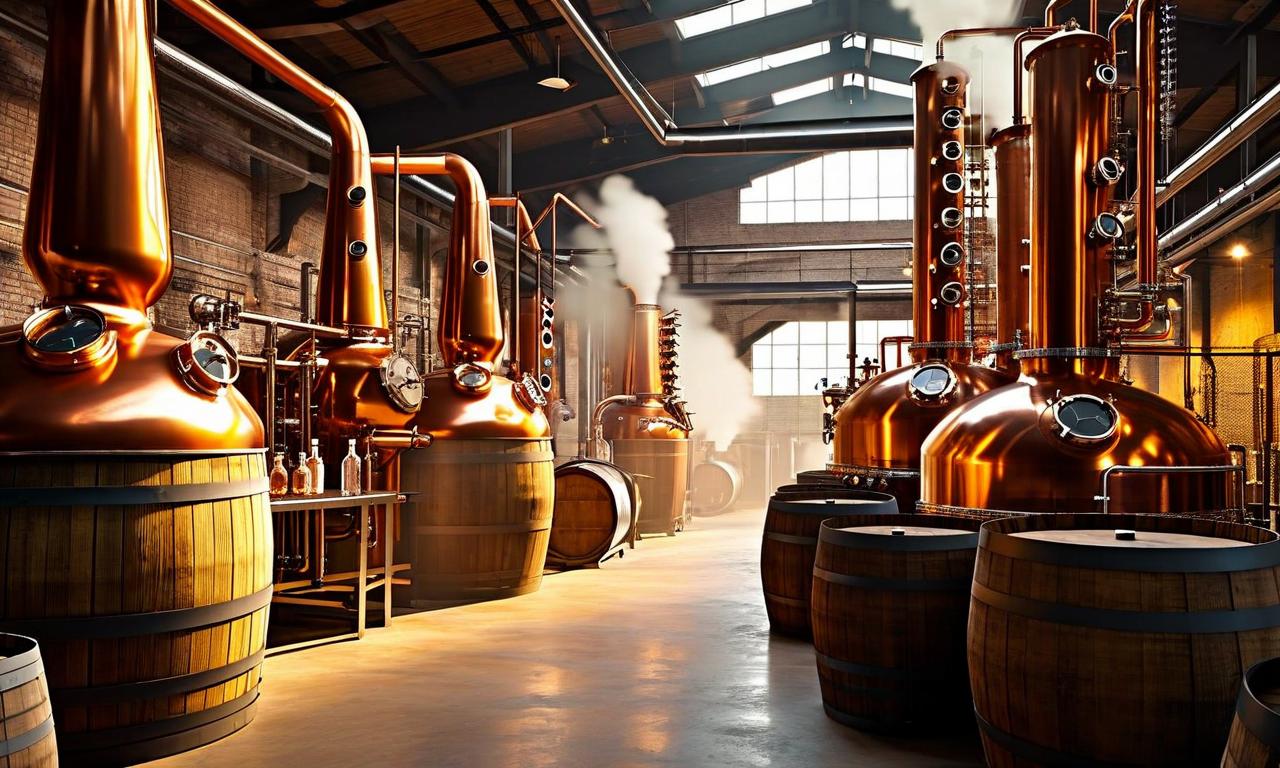

*this image is generated using AI for illustrative purposes only.
India's alcoholic beverage industry is positioning itself for potential reforms in the Union Budget 2026-27, as the sector grapples with complex tariff structures and procedural challenges that impact growth prospects. The industry, valued at $44 billion in 2024, faces a critical juncture as it seeks government intervention to streamline customs operations and rationalize duty structures.
Market Dynamics and Growth Projections
The Indian alcoholic beverage market demonstrates strong growth momentum, with projections indicating expansion to $55 billion by 2027. This growth trajectory is supported by increasing consumer demand for premium international brands, particularly among urban demographics seeking global experiences.
| Market Parameter: | Value |
|---|---|
| Current Market Size (2024): | $44 billion |
| Projected Market Size (2027): | $55 billion |
| Import Growth (2023): | 74% year-on-year |
Current Tariff Structure Challenges
The existing customs duty framework presents a fragmented landscape that creates operational complexities for importers. The basic customs duty structure varies significantly across product categories and origins, leading to what industry experts describe as a "customs conundrum."
Duty Rate Variations
| Product Category: | Basic Customs Duty Rate |
|---|---|
| Bourbon Whiskey: | 50% (reduced February 2025) |
| Most Other Spirits: | 100% (standard rate) |
| Scotch Whisky (India-UK FTA): | 75% (reducing to 40% over decade) |
| Gin (India-UK FTA): | 75% (reducing to 40% over decade) |
| General Imported Spirits: | 150% |
The implementation of the India-UK Free Trade Agreement has introduced additional complexity, creating different duty rates for similar product categories based on origin and classification. This fragmented approach has resulted in confusion and increased compliance burden for importers.
Litigation and Procedural Bottlenecks
A significant challenge facing the industry stems from customs-related disputes and procedural delays. As of January 2026, approximately ₹1.52 lakh crore in customs duty remains locked in litigation across various sectors in India. For the alcoholic beverage industry, these disputes primarily involve valuation disagreements and classification issues under Harmonized System of Nomenclature codes.
The provisional assessment system often results in goods being held at ports, leading to accumulating demurrage fees and compressed profit margins for importers. The absence of swift dispute resolution mechanisms has created substantial backlogs that impact business operations.
Industry Expectations for Budget 2026
The alcoholic beverage sector has outlined specific reform priorities for the upcoming budget, focusing on procedural simplification and tariff rationalization.
Key Reform Areas
Customs Amnesty Scheme: Industry stakeholders anticipate the introduction of a one-time amnesty program, similar to the "Vivad se Vishwas" scheme for direct taxes, to address the ₹1.52 lakh crore customs dispute backlog.
Tariff Slab Rationalization: With India currently operating eight basic customs duty slabs, reports suggest potential reduction to five or six slabs. This consolidation would create more uniform duty structures and reduce classification ambiguities.
Inverted Duty Structure Resolution: The increasing number of Free Trade Agreements creates risks where finished product duties become lower than raw material duties, potentially disadvantaging domestic manufacturing.
Market Impact and Future Outlook
Successful implementation of these reforms would primarily benefit the premiumization trend in India's alcoholic beverage market. The 74% year-on-year increase in alcoholic beverage imports during 2023 demonstrates growing consumer appetite for international brands.
A more predictable customs environment would enable international brands to develop long-term investment strategies in cold-chain logistics and specialized retail infrastructure, moving beyond the current shipment-to-shipment operational model. The industry emphasizes seeking predictability rather than elimination of duties, acknowledging government revenue requirements while advocating for streamlined processes that transform customs departments from gatekeepers into facilitators.
 15
15






 Create Custom Screeners
  Access 200+ Pre-built Filters
  Use 50+ Readymade Screener





