NewsStocksIndia Plans AI-Driven Modernisation of 72 Million MSMEs to Boost Export Competitiveness
India Plans AI-Driven Modernisation of 72 Million MSMEs to Boost Export Competitiveness


India is implementing a comprehensive digitisation programme to modernise 72 million MSMEs using AI, sensors, and data analytics to improve global competitiveness and reduce export rejections. The initiative begins with a pilot in Gujarat covering 750 manufacturing units under the World Bank-backed RAMP scheme, with ₹50,000 investment per unit through DPIIT-recognised startups. The programme addresses critical productivity challenges and positions MSMEs, which contribute 30% to GDP and 45% to exports, to compete globally on quality and reliability.
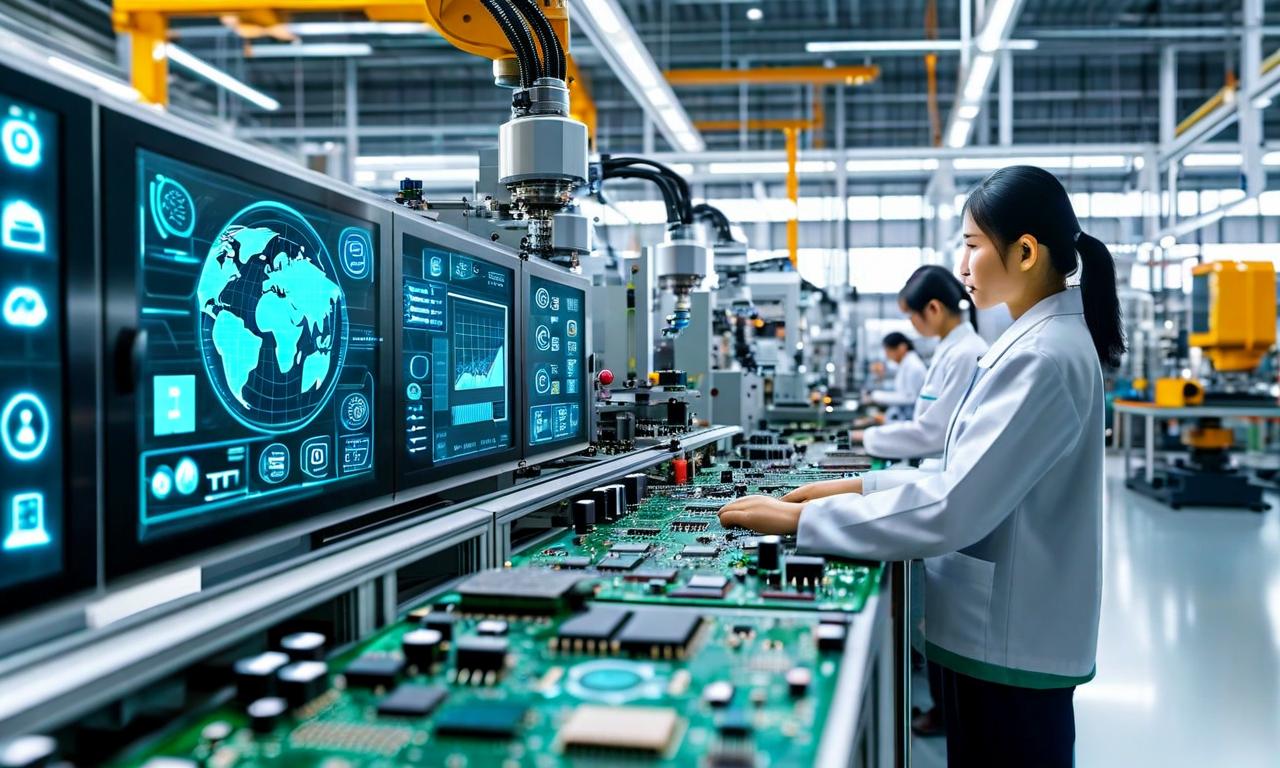
*this image is generated using AI for illustrative purposes only.
The Indian government is launching a comprehensive digitisation initiative to modernise the country's 72 million micro, small and medium enterprises (MSMEs) through advanced technologies including sensors, artificial intelligence, and data analytics. The ambitious programme aims to help MSMEs meet increasingly stringent global compliance requirements and reduce export rejections by equipping them with essential digital factory tools such as machine monitoring systems, energy management solutions, and shop-floor software.
Pilot Programme Launch in Gujarat
The first pilot project will be implemented in Gujarat under the World Bank-backed Raising and Accelerating MSME Performance (RAMP) scheme, targeting 750 identified manufacturing units. The National Productivity Council (NPC) will oversee the implementation, focusing on capturing real-time information on machine performance, energy consumption, downtime, and maintenance requirements.
| Programme Details: | Specifications |
|---|---|
| Target Units: | 750 manufacturing units |
| Location: | Gujarat |
| Implementation Body: | National Productivity Council (NPC) |
| Funding Source: | World Bank-backed RAMP scheme |
| Technology Focus: | Sensors, AI, data analytics, automation |
The initiative addresses a fundamental challenge faced by many MSMEs: limited visibility into shop floor operations, which often results in low productivity, high energy costs, inconsistent quality, and unplanned downtime. By digitising basic shop floor monitoring, the pilot aims to help unit owners identify hidden productivity losses, stabilise output, reduce energy wastage, and transition from reactive to planned maintenance strategies.
Technology Implementation Framework
The National Productivity Council will empanel startups recognised by the Department for Promotion of Industry and Internal Trade (DPIIT) as technology providers. These startups will be responsible for installing and supporting a plug-and-play digital twin solution called the "Shopfloor Insight and Monitoring Kit" on one machine in each participating MSME unit.
| Financial Structure: | Details |
|---|---|
| Payment per Unit: | ₹50,000 |
| Coverage Includes: | Hardware, installation, analytics, one year support |
| Programme Duration: | Until March 2027 |
| Technology Providers: | DPIIT-recognised startups |
The standardised design and subsidised deployment are intended to lower adoption barriers for MSMEs and create a pathway for scaling digital tools across more machines once the benefits become visible. The MSMEs themselves do not require DPIIT empanelment or startup recognition, as they serve as end users of the technology.
Strategic Importance for Indian Economy
The modernisation initiative holds significant importance given MSMEs' substantial contribution to India's economy. These enterprises contribute 30% to the country's gross domestic product and account for 45% of overall exports. The National Productivity Council, which functions under DPIIT, focuses on improving productivity and competitiveness across Indian industry and services.
| MSME Registration by State: | Number of Units |
|---|---|
| Maharashtra: | 9.4 million |
| Karnataka: | 6.7 million |
| Tamil Nadu: | 6.0 million |
| Uttar Pradesh: | 4.6 million |
| Gujarat: | 4.1 million |
| Total Registered MSMEs: | 72 million |
According to data provided in December through a written reply in the Lok Sabha by minister of state for micro, small and medium enterprises Shobha Karandlaje, approximately 72 million MSMEs were registered in India by the end of November 2025 under the Udyam Registration Portal and the Udyam Assist Platform.
Global Competitiveness Requirements
From a global competitiveness perspective, such technological capabilities are increasingly becoming baseline requirements rather than optional upgrades. Small suppliers in major manufacturing economies including Germany, Japan, South Korea, and China are increasingly required to use machine monitoring, energy management systems, and basic digital twins to meet buyer expectations on quality consistency, traceability, energy efficiency, and sustainability.
Access to real-time production and energy data helps firms respond to buyer audits and compliance checks, including emerging requirements around carbon reporting. For Indian MSMEs, adopting these technologies could improve product consistency, reduce rejection rates, meet tighter delivery timelines, and support integration into global value chains. Improved shop floor data is expected to strengthen buyer confidence and enable repeat export orders, allowing small firms to compete on reliability and quality rather than purely on price.
 15
15