India-EU FTA Teams in Active Talks to Resolve Trade Disputes Ahead of January Summit


Indian and EU teams are actively working to resolve contentious issues in their proposed free trade agreement before the India-EU Summit on January 27. Recent high-level meetings between Commerce Minister Piyush Goyal and EU Trade Commissioner Maros Sefcovic, along with upcoming discussions between commerce secretaries, aim to address disputes over carbon tax, duty cuts, and market access. With bilateral trade worth $136.53 billion in 2024-25, the EU is India's largest goods trading partner, making the successful conclusion of these 16-round negotiations strategically important for both economies.
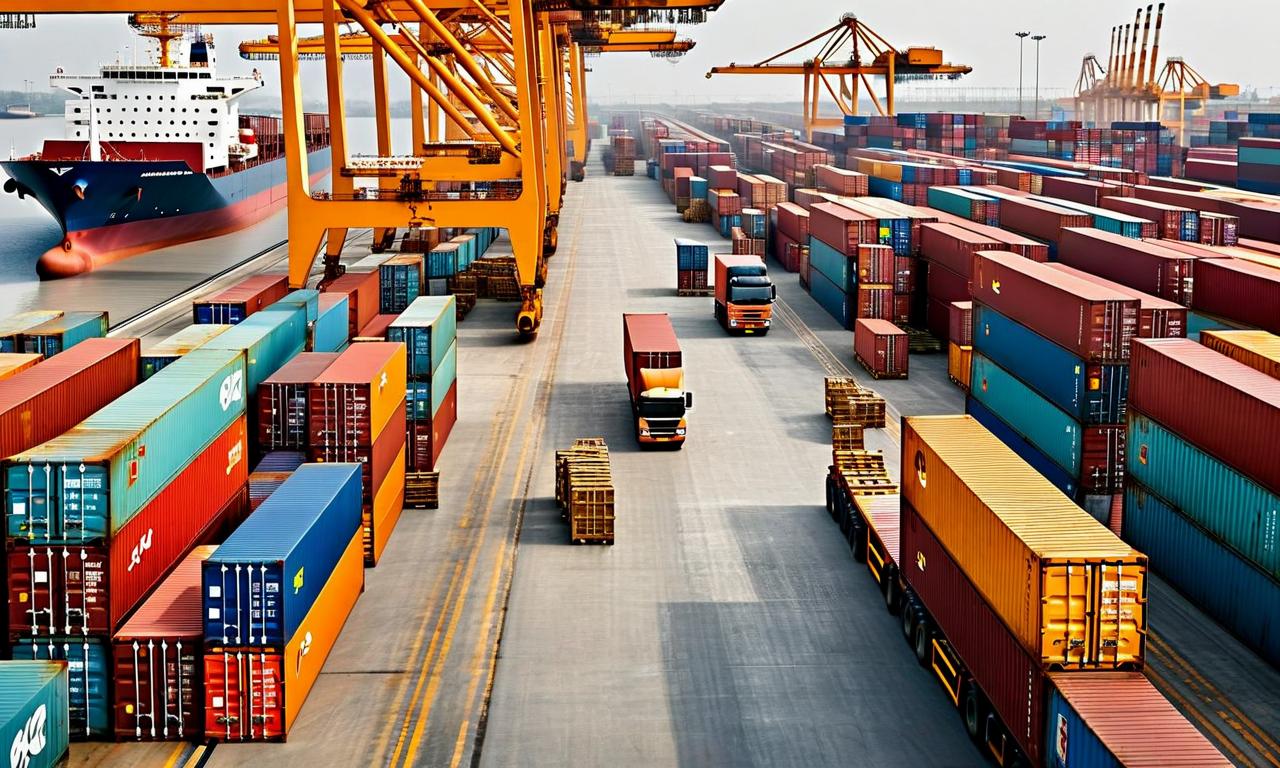
*this image is generated using AI for illustrative purposes only.
Indian and European Union negotiation teams are maintaining constant engagement to address remaining contentious issues in their proposed free trade agreement ahead of the India-EU Summit scheduled for January 27 in New Delhi. The high-level diplomatic activity comes as the top EU leadership prepares to attend India's Republic Day parade as chief guest on January 26.
Recent High-Level Engagements
Commerce and Industry Minister Piyush Goyal recently concluded a two-day meeting with EU Commissioner for Trade and Economic Security Maros Sefcovic in Brussels to review negotiation progress. The discussions focused on resolving key disputes that have emerged during the 16 rounds of negotiations held so far.
Commerce Secretary Rajesh Agrawal is scheduled to meet his EU counterpart, Director General for Trade of the European Commission Sabine Weyand, in Brussels on January 6-7 to continue these critical discussions.
Key Contentious Issues
The remaining disputes center on several critical areas that reflect the different economic priorities of both regions:
| Issue Area: | Details |
|---|---|
| EU Carbon Tax: | Implementation and impact on Indian exports |
| Duty Reductions: | Scope and extent of tariff cuts on specific goods |
| Market Access: | Sector-specific opening requirements |
India is advocating for zero-duty access for its labor-intensive sectors, particularly textiles and leather industries. Conversely, the EU is seeking significant duty reductions in automobiles, medical devices, wine, spirits, meat, and poultry, along with establishing a robust intellectual property regime.
Trade Relationship Overview
The bilateral trade relationship between India and the EU demonstrates substantial economic significance:
| Trade Metric: | Value (2024-25) |
|---|---|
| Total Bilateral Trade: | ₹11,36,990 crores ($136.53 billion) |
| Indian Exports to EU: | ₹6,31,675 crores ($75.85 billion) |
| Indian Imports from EU: | ₹5,05,315 crores ($60.68 billion) |
| EU Share of India's Exports: | 17% |
| India Share of EU's Exports: | 9% |
This makes the EU India's largest trading partner for goods, highlighting the strategic importance of concluding the FTA negotiations successfully.
Negotiation Framework
The comprehensive trade discussions resumed in June 2022 after a nine-year suspension that began in 2013 due to disagreements over market opening levels. The current negotiations encompass three major agreements:
- Comprehensive Free Trade Agreement
- Investment Protection Agreement
- Geographical Indications Pact
The talks cover 23 policy areas including trade in goods and services, investment, trade remedies, rules of origin, customs and trade facilitation, competition, government procurement, dispute settlement, intellectual property rights, geographical indications, and sustainable development.
Both sides are demonstrating commitment to concluding the negotiations at the earliest opportunity, with officials emphasizing the importance of continuous engagement to bridge remaining differences and establish a mutually beneficial trade framework.
 18
18