

Housing Prices Surge Across India, NCR Leads with Sharpest Annual Increase


The Indian housing market is experiencing significant price increases across major metropolitan areas. NCR leads with the sharpest annual rise, followed by robust growth in Bengaluru and Hyderabad. 3BHK and 2BHK units show highest price growth, indicating a shift towards larger living spaces. Mumbai remains the most expensive market due to limited land and high replacement costs. Rising construction costs, land scarcity, and demand for premium homes are key factors driving the market. However, affordability pressures are mounting for mid-income buyers, and potential challenges include US tariffs on Indian exports and elevated input costs.

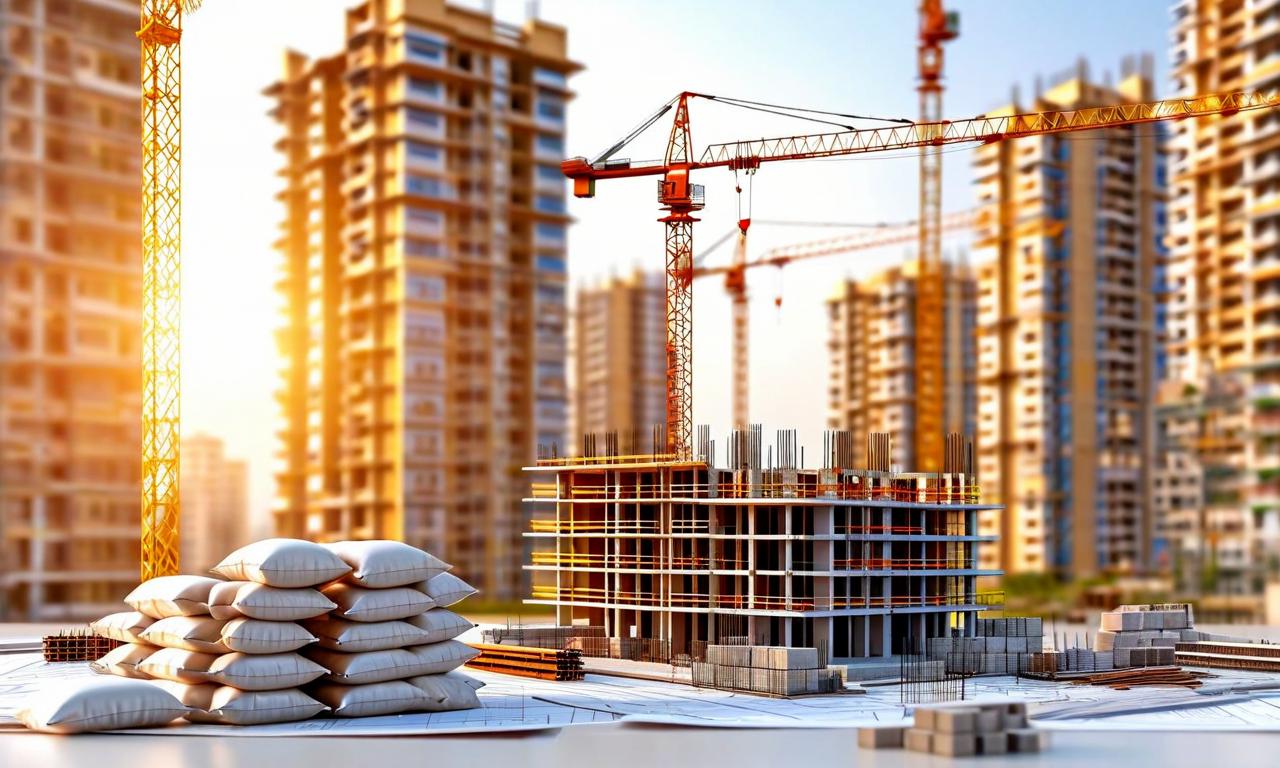

*this image is generated using AI for illustrative purposes only.
The Indian housing market is experiencing a significant uptick in prices across major metropolitan areas, driven by a combination of factors including rising construction costs, limited land availability in metro cities, and a growing demand for larger, premium homes.
NCR Leads the Pack
According to the Housing.com–ISB Housing Price Index, the National Capital Region (NCR) has recorded the sharpest annual increase in housing prices. This surge is primarily attributed to strong investor flows and heightened demand in key areas such as Noida, Greater Noida, and Gurugram.
Bengaluru and Hyderabad Show Robust Growth
Bengaluru has posted sustained gains in housing prices, with South Bengaluru and areas along the Outer Ring Road leading the charge. Similarly, Hyderabad has demonstrated healthy appreciation, particularly in the ORR West and Hyderabad West regions.
Demand Patterns and Unit Types
The market has seen a notable trend in the types of units experiencing price growth:
- 3BHK units recorded the highest price growth
- 2BHK units followed closely behind
This pattern suggests a shift in buyer preferences towards larger living spaces, possibly influenced by recent work-from-home trends and lifestyle changes.
Mumbai Remains the Most Expensive Market
The Mumbai Metro Region continues to hold its position as the most expensive housing market in India. This is primarily due to:
- Limited land availability
- High replacement costs
Factors Influencing the Market
Several factors are currently shaping the Indian housing market:
- Rising Construction Costs: Increasing prices of raw materials and labor are pushing up overall housing costs.
- Limited Land Supply: Especially in metro areas, scarcity of available land is driving prices upward.
- Demand for Premium Homes: A growing preference for larger, more luxurious living spaces is influencing market trends.
- Recent GST Reforms: These could potentially improve affordability in the sector.
- Potential Monetary Policy Easing: This might provide some relief to buyers in the future.
Challenges and Concerns
Despite the overall market momentum, there are some challenges on the horizon:
- US Tariffs on Indian Exports: This could potentially impact the broader economy and, by extension, the housing market.
- Elevated Input Costs: These may affect the pipeline of affordable housing projects.
- Affordability Pressures: Mid-income buyers are facing increasing difficulties in entering the market due to rising prices.
Conclusion
The Indian housing market is demonstrating strong growth, particularly in key metropolitan areas. However, the surge in prices is creating affordability challenges for mid-income buyers. As the market continues to evolve, it will be crucial to balance the demand for premium housing with the need for affordable options to ensure sustainable growth in the sector.
 20
20






 Create Custom Screeners
  Access 200+ Pre-built Filters
  Use 50+ Readymade Screener





