

GST Overhaul for Apparel: Mixed Impact Across Price Segments


The Indian government has restructured GST rates for the apparel sector. Mid-range apparel (Rs 1,000 - Rs 2,500) sees GST reduced from 12% to 5%. Premium apparel (above Rs 2,500) faces an increase from 12% to 18%. Budget apparel (below Rs 1,000) remains at 5% GST. This change is expected to impact pricing strategies, consumer behavior, market dynamics, and supply chain adjustments in the apparel industry.

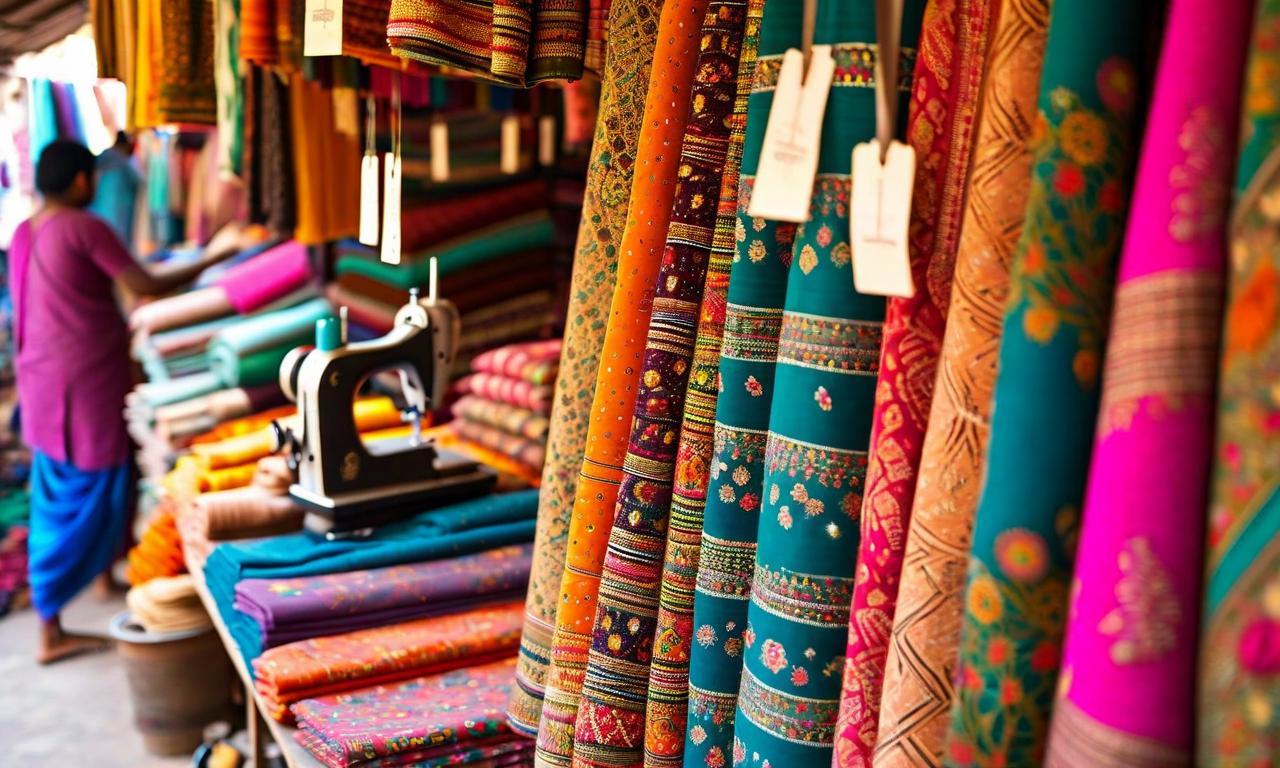

*this image is generated using AI for illustrative purposes only.
The Indian government has announced a significant restructuring of Goods and Services Tax (GST) rates for the apparel sector, introducing changes that will have varying impacts across different price categories.
Key Changes in GST Rates
- Mid-Range Apparel (Rs 1,000 - Rs 2,500): GST rate reduced from 12% to 5%
- Premium Apparel (Above Rs 2,500): GST rate increased from 12% to 18%
- Budget Apparel (Below Rs 1,000): No change, remains at 5% GST
Impact on Different Segments
Mid-Range Segment Benefits
The most significant change comes for apparel priced between Rs 1,000 and Rs 2,500. This segment will see a substantial reduction in GST rates, dropping from 12% to 5%. This move is likely to make mid-range clothing more affordable for consumers and could potentially boost sales in this category.
Higher Taxes for Premium Apparel
Premium apparel priced above Rs 2,500 will face a steeper tax rate. The GST for this segment has been increased from 12% to 18%, a 6 percentage point hike. This change may lead to price increases in high-end clothing and could impact consumer behavior in the luxury apparel market.
No Change for Budget Apparel
For budget-conscious consumers, there's no change in the tax structure. Apparel priced below Rs 1,000 will continue to attract the existing 5% GST rate.
Implications for the Apparel Industry
This restructuring of GST rates is expected to have far-reaching effects on the apparel industry:
Pricing Strategies: Brands may need to reassess their pricing strategies, especially for items near the Rs 2,500 threshold.
Consumer Behavior: The changes could shift consumer preferences, potentially increasing demand for mid-range apparel while affecting sales of premium clothing.
Market Dynamics: The new tax structure might influence the competitive landscape, with some brands potentially adjusting their product lines to optimize for the new tax brackets.
Supply Chain Adjustments: Manufacturers and retailers may need to adapt their inventory and supply chain strategies to align with the new tax structure.
Conclusion
The revised GST rates for the apparel sector reflect a nuanced approach to taxation, potentially stimulating the mid-range market while increasing revenue from premium segments. As these changes take effect, both consumers and businesses in the apparel industry will need to adapt to the new tax landscape.
 16
16






 Access Market Heat-map & Insights
  Create, Save & Share your Screener
  Use 200+ Screening Filters





